About the Exhibit
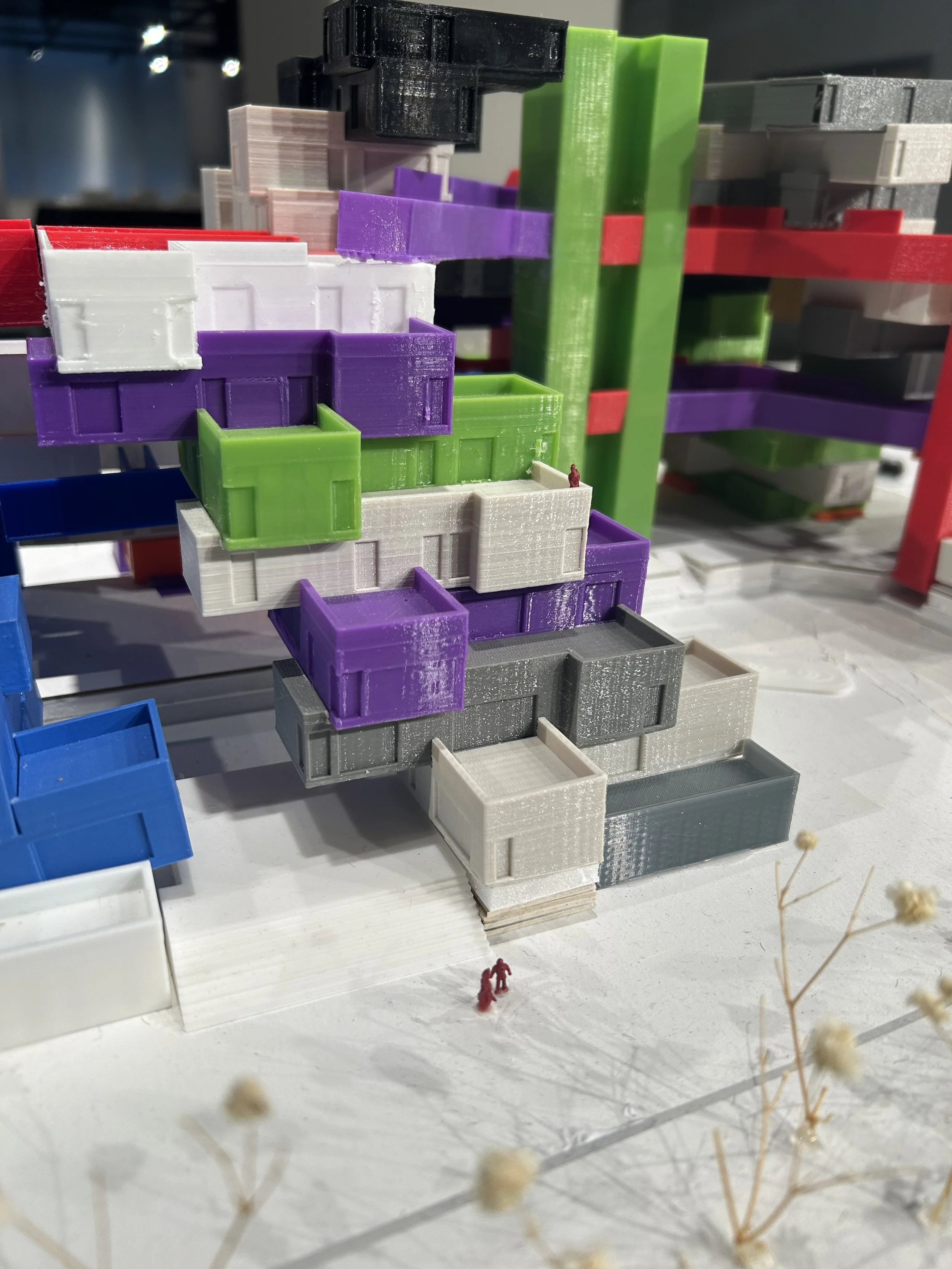
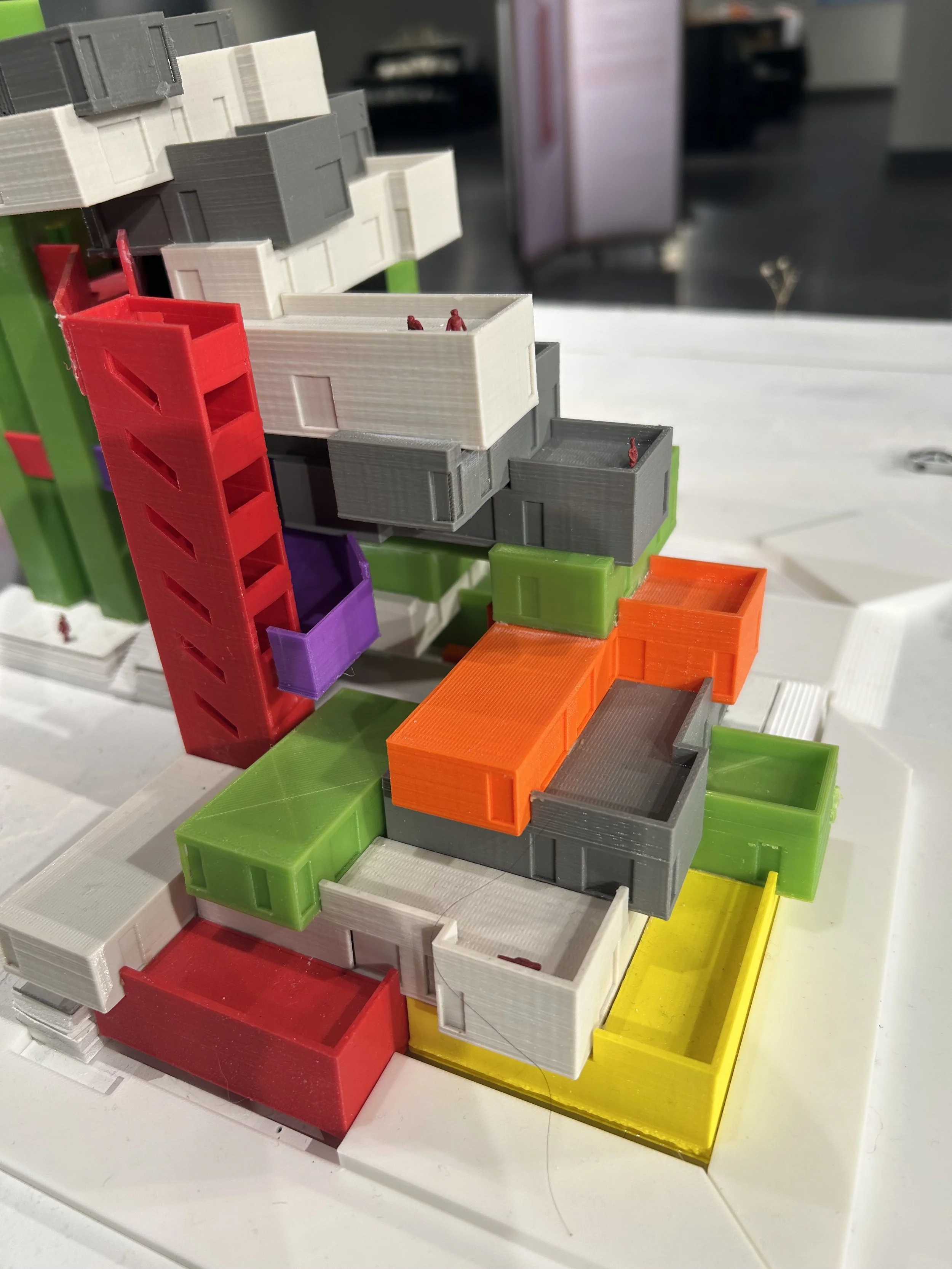
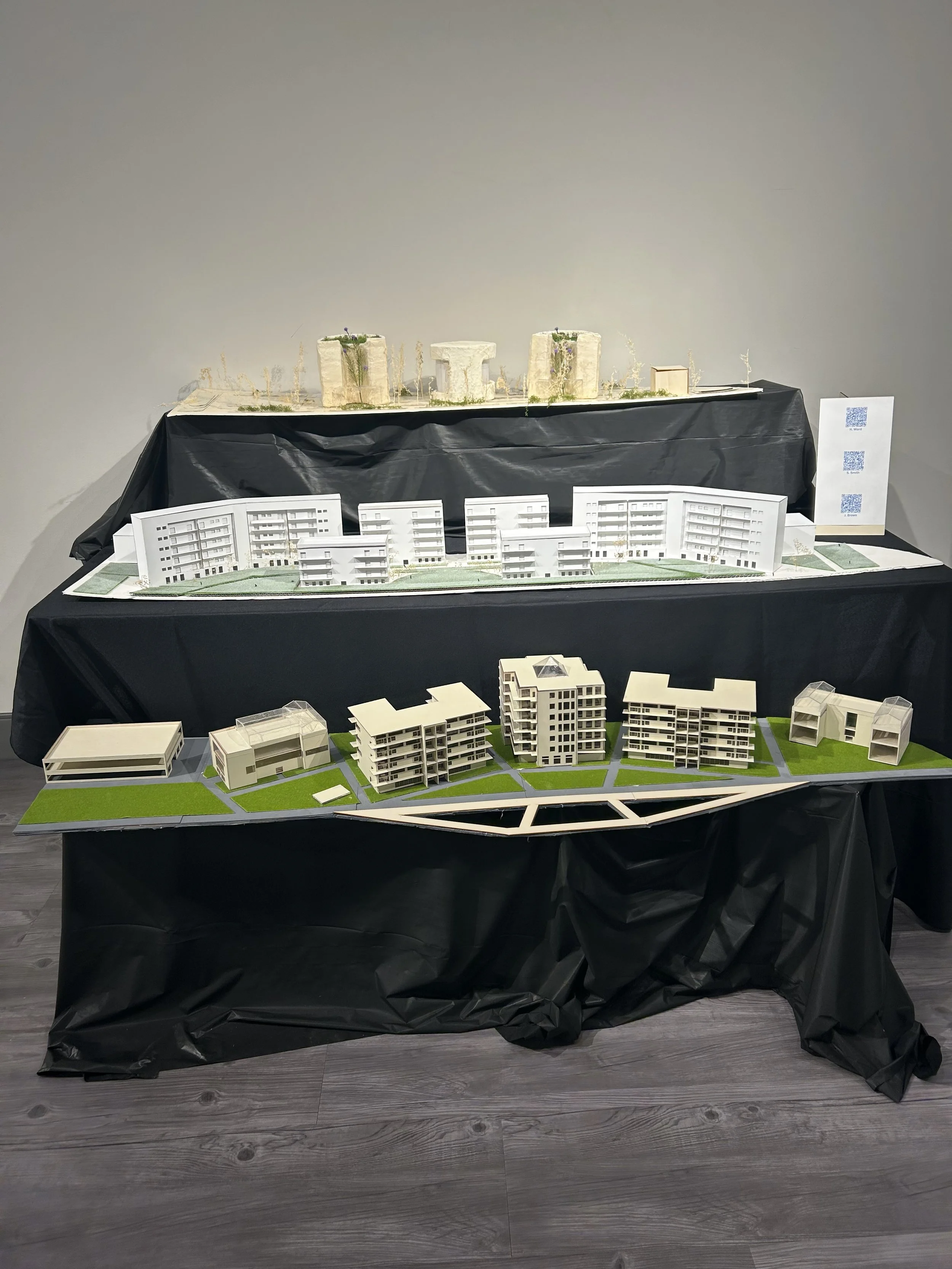
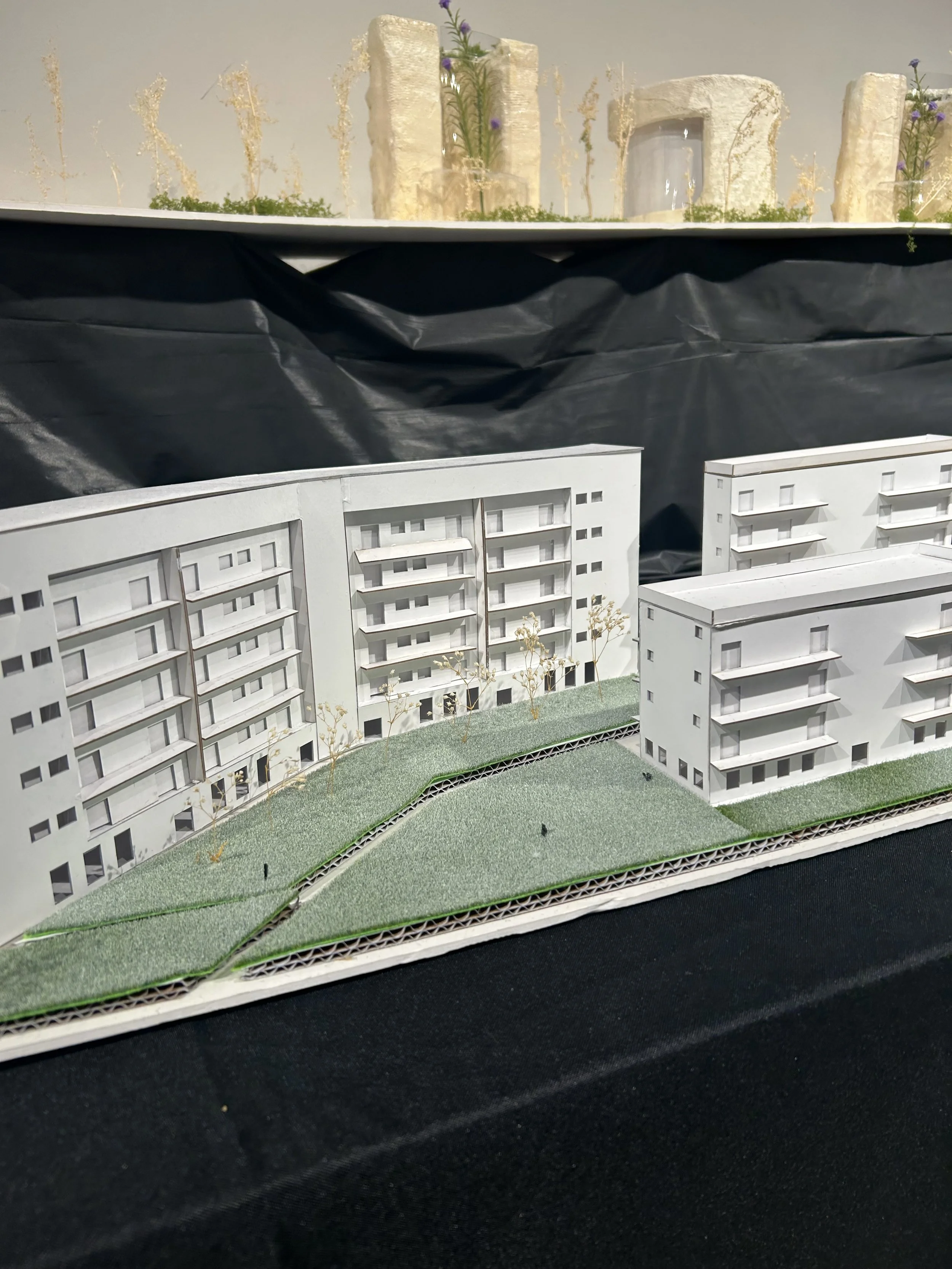
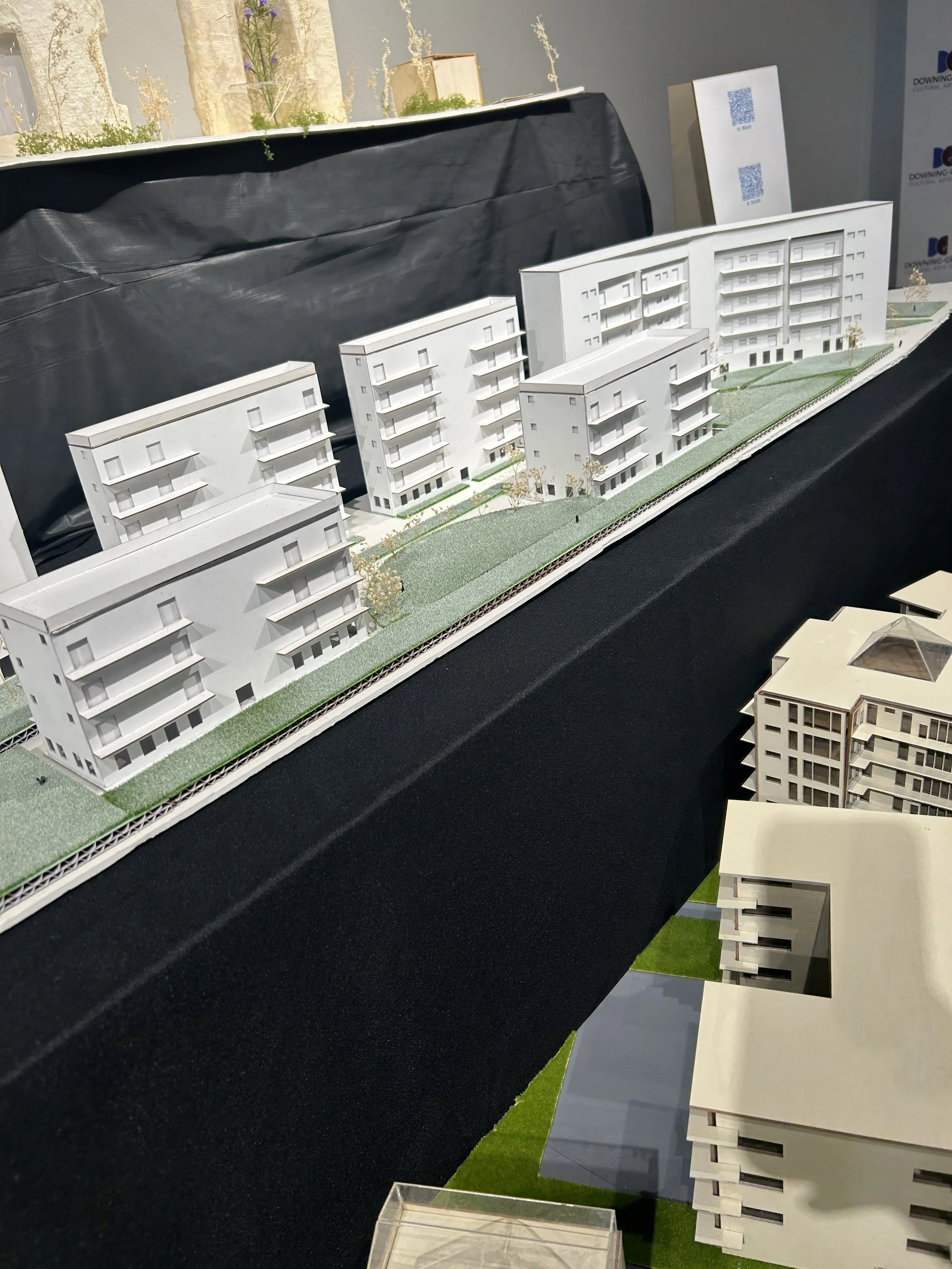
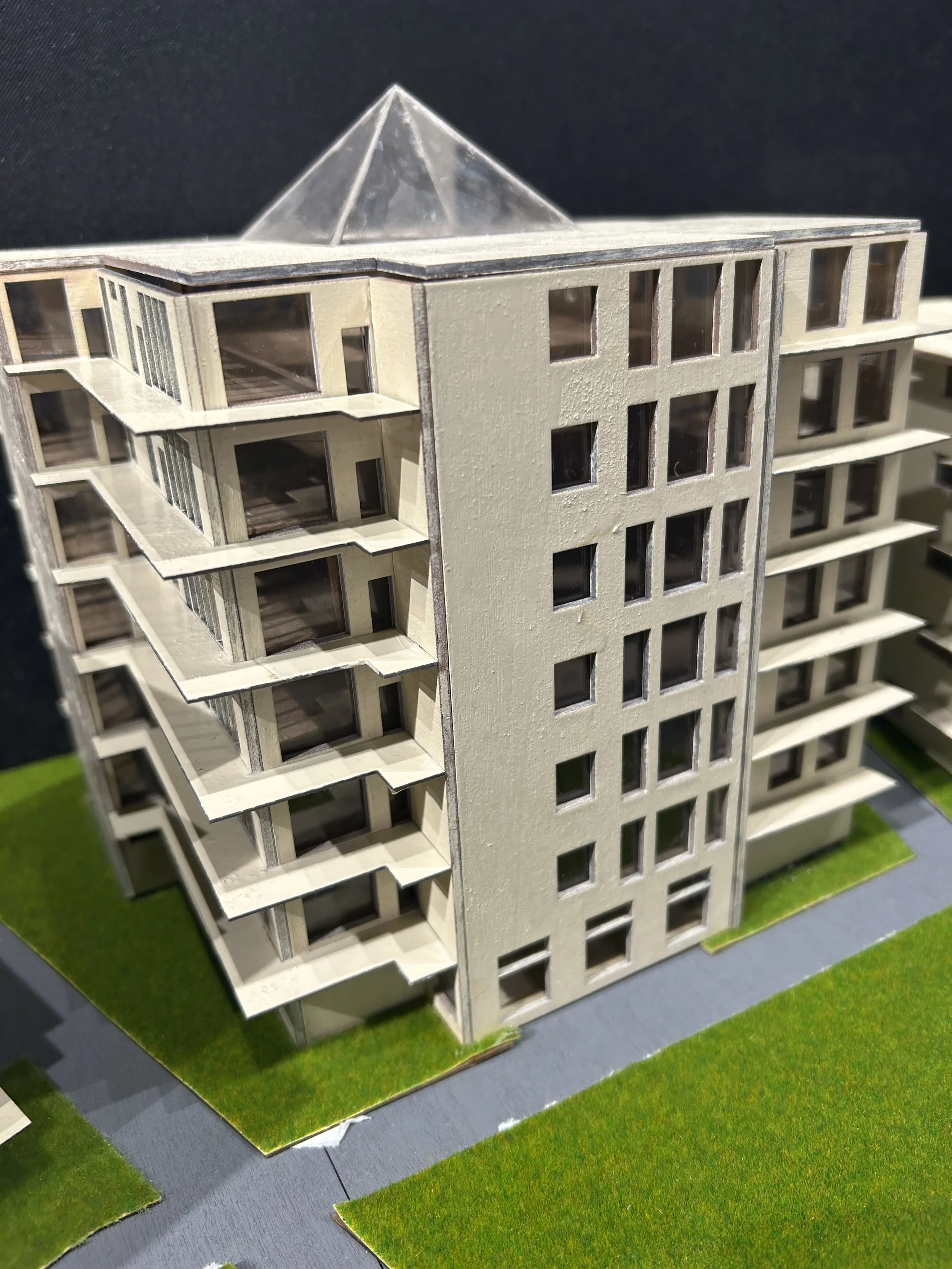
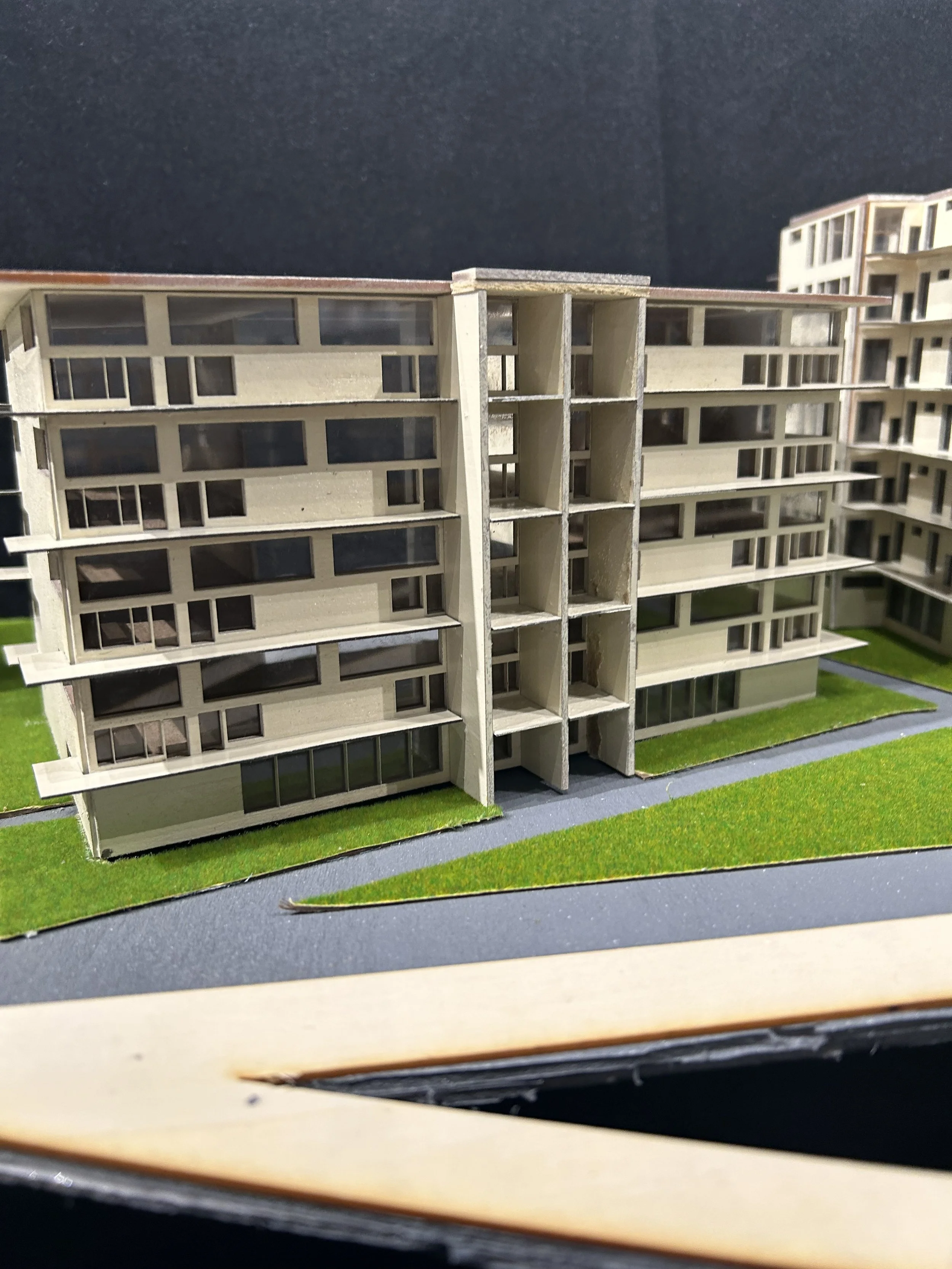
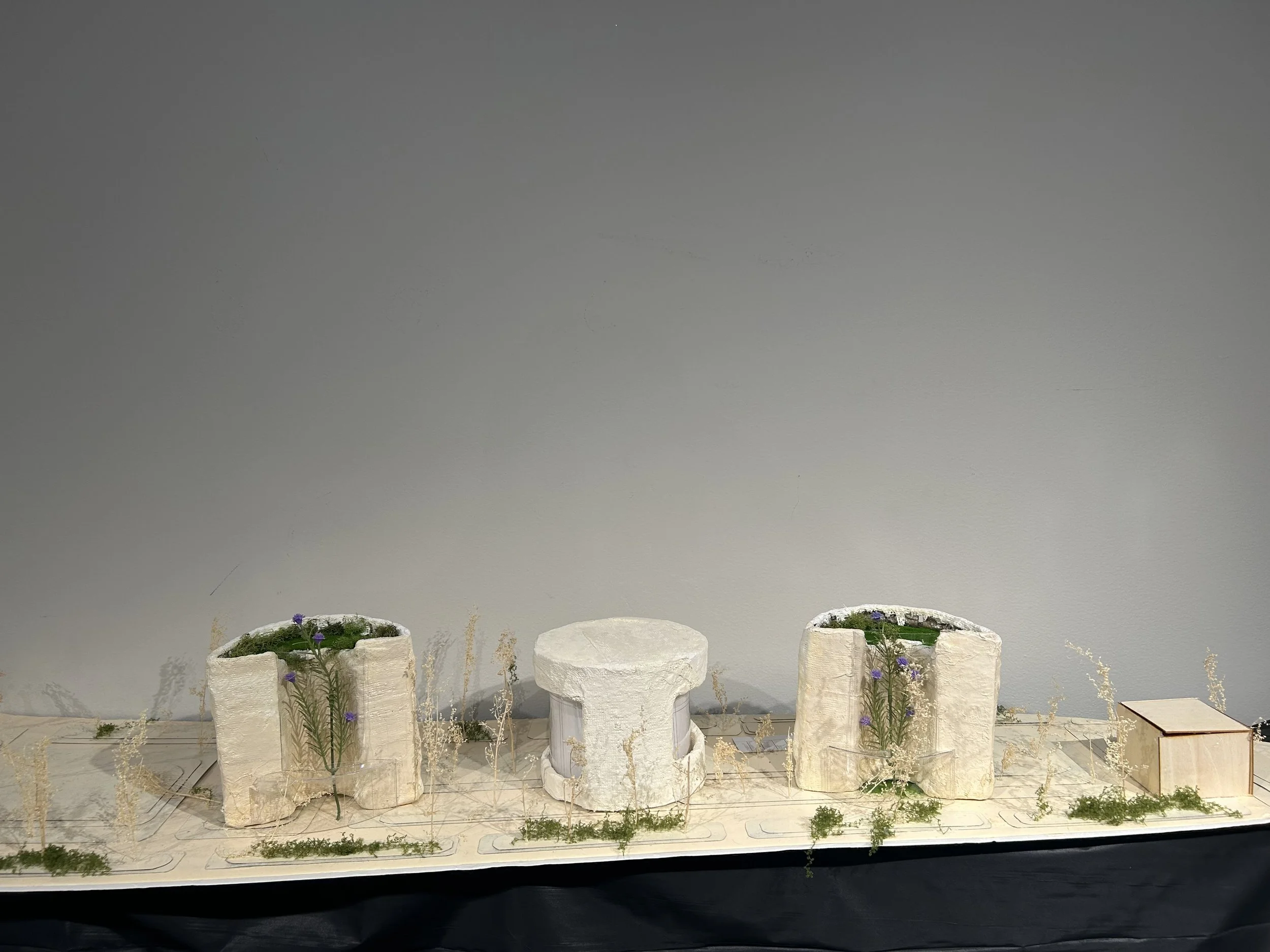
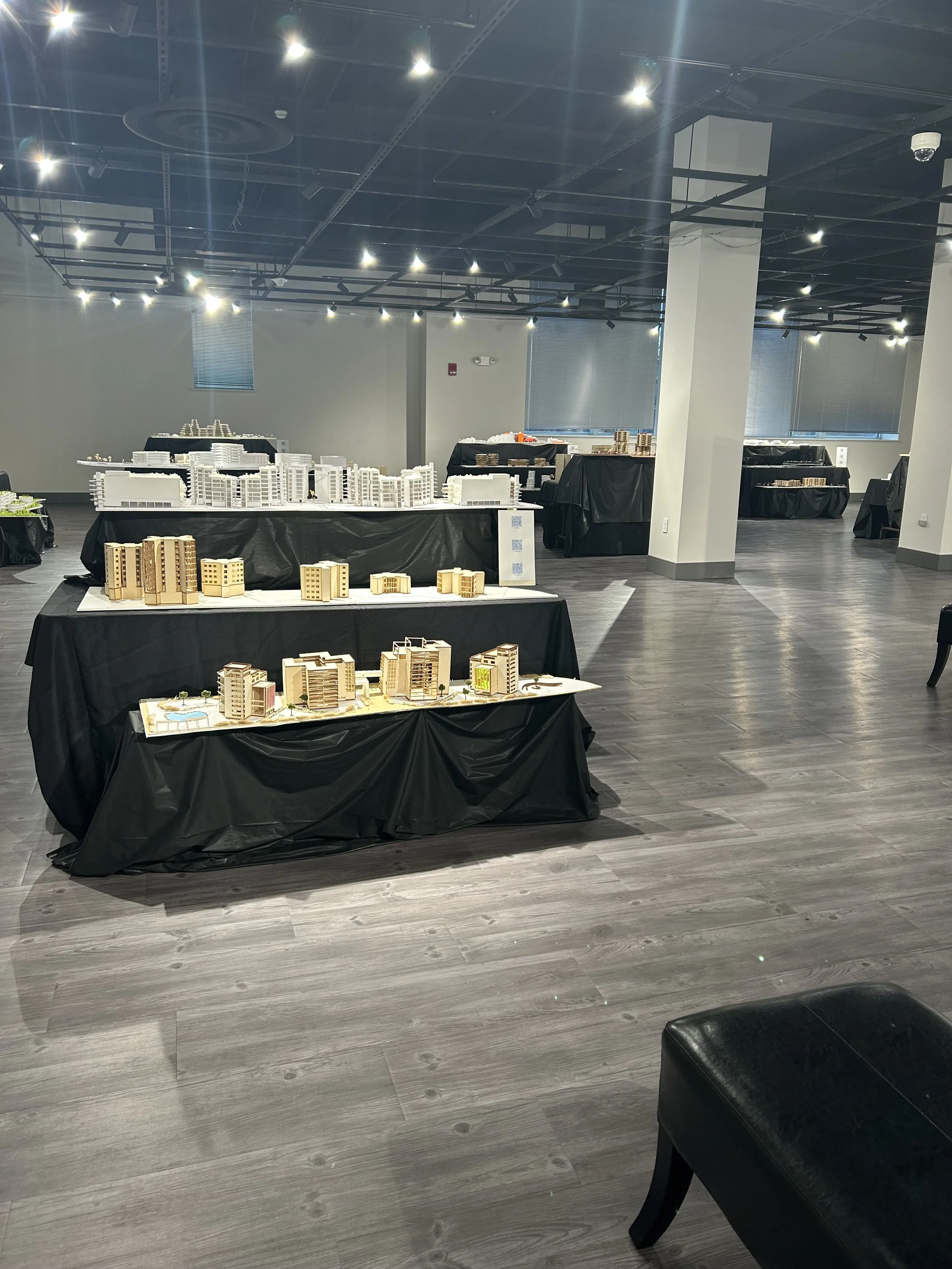
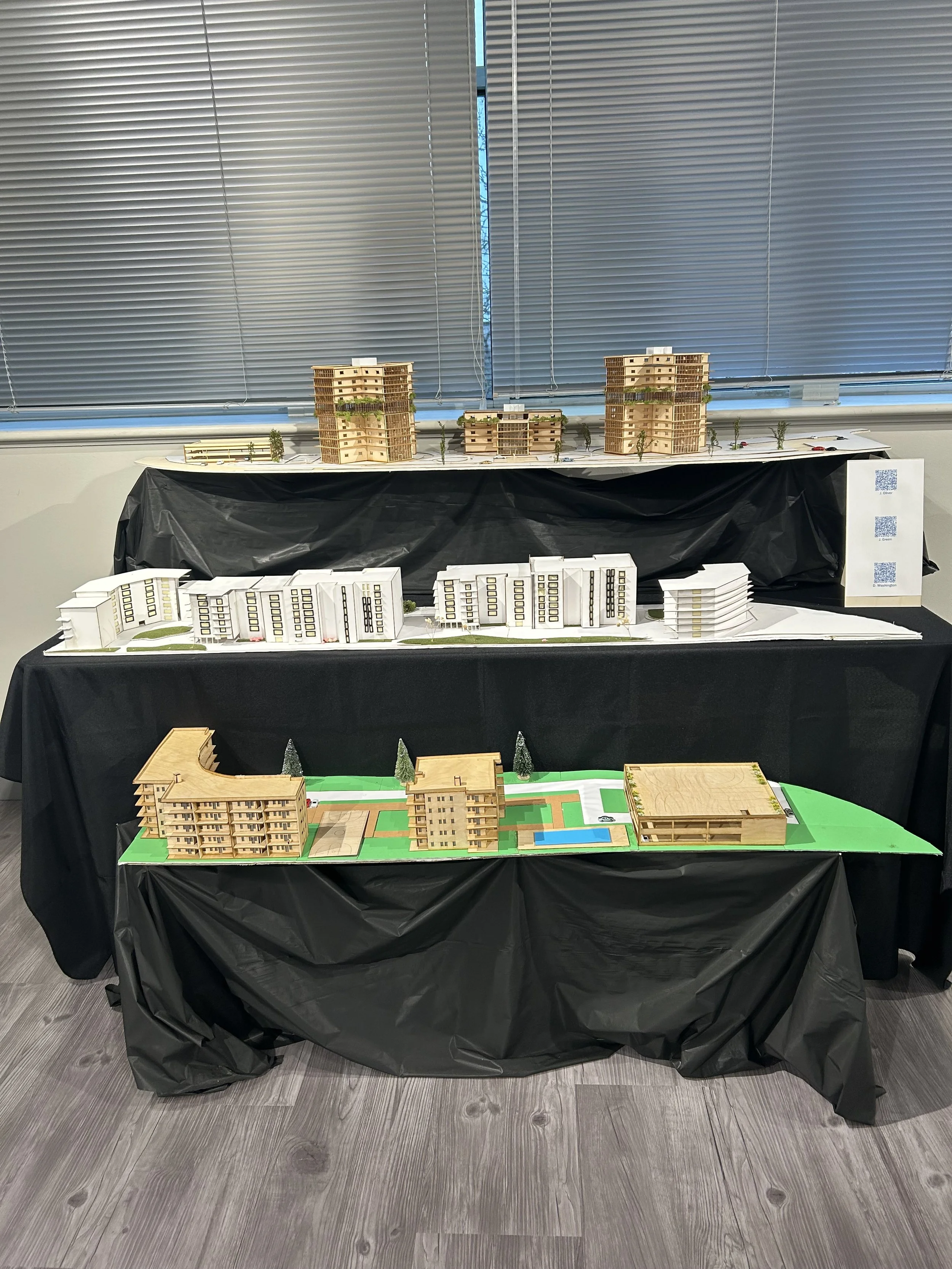
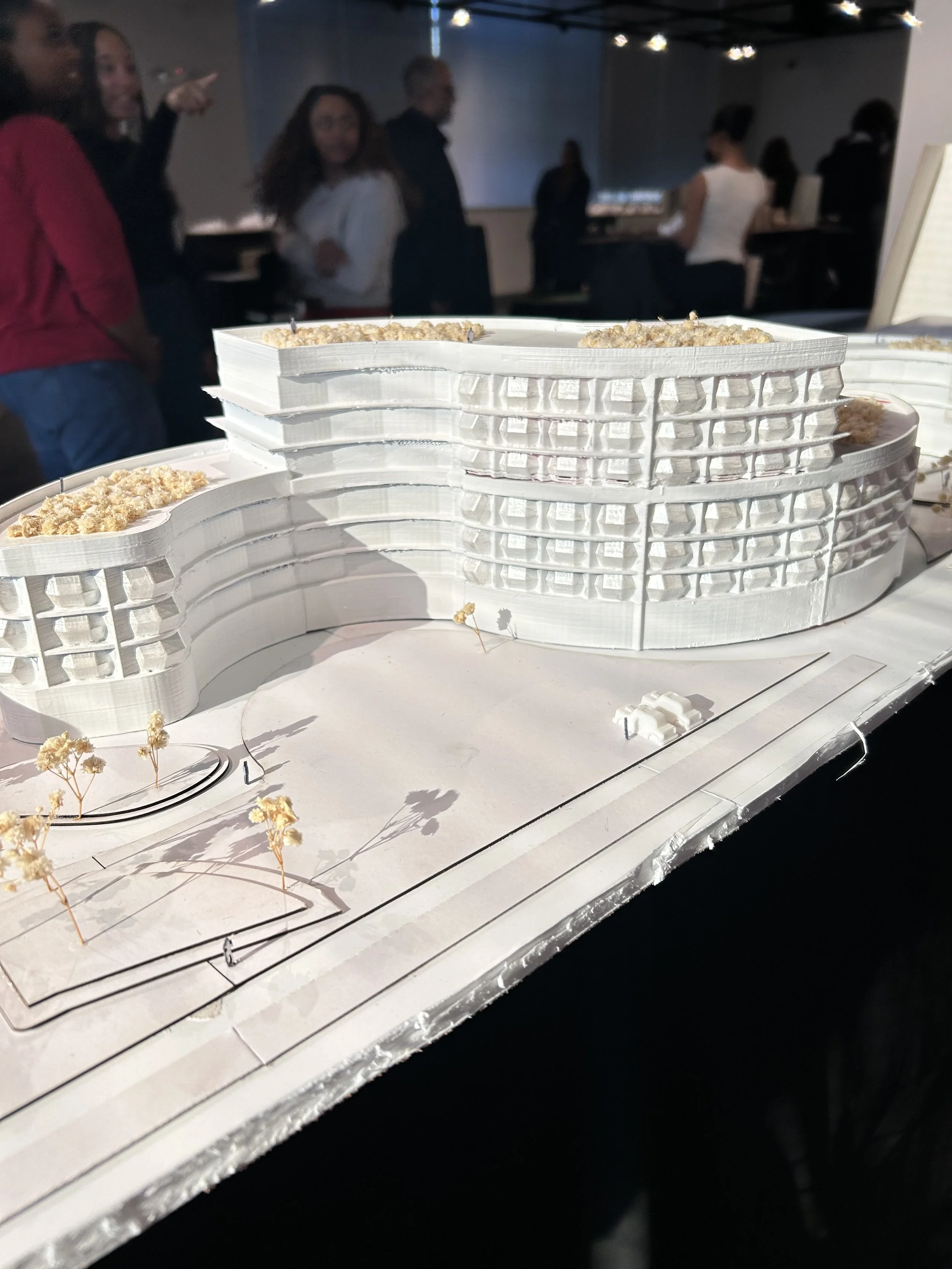
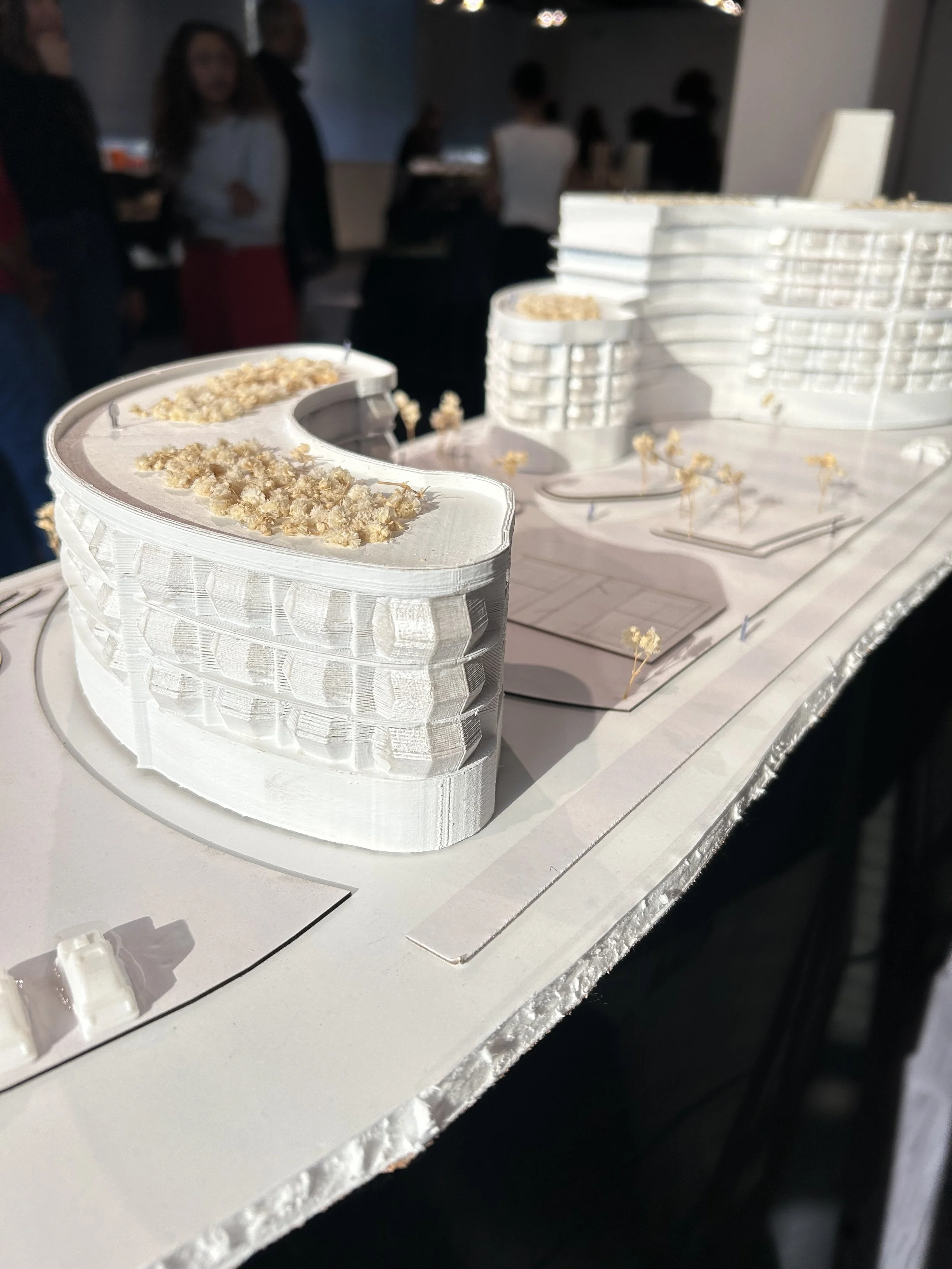
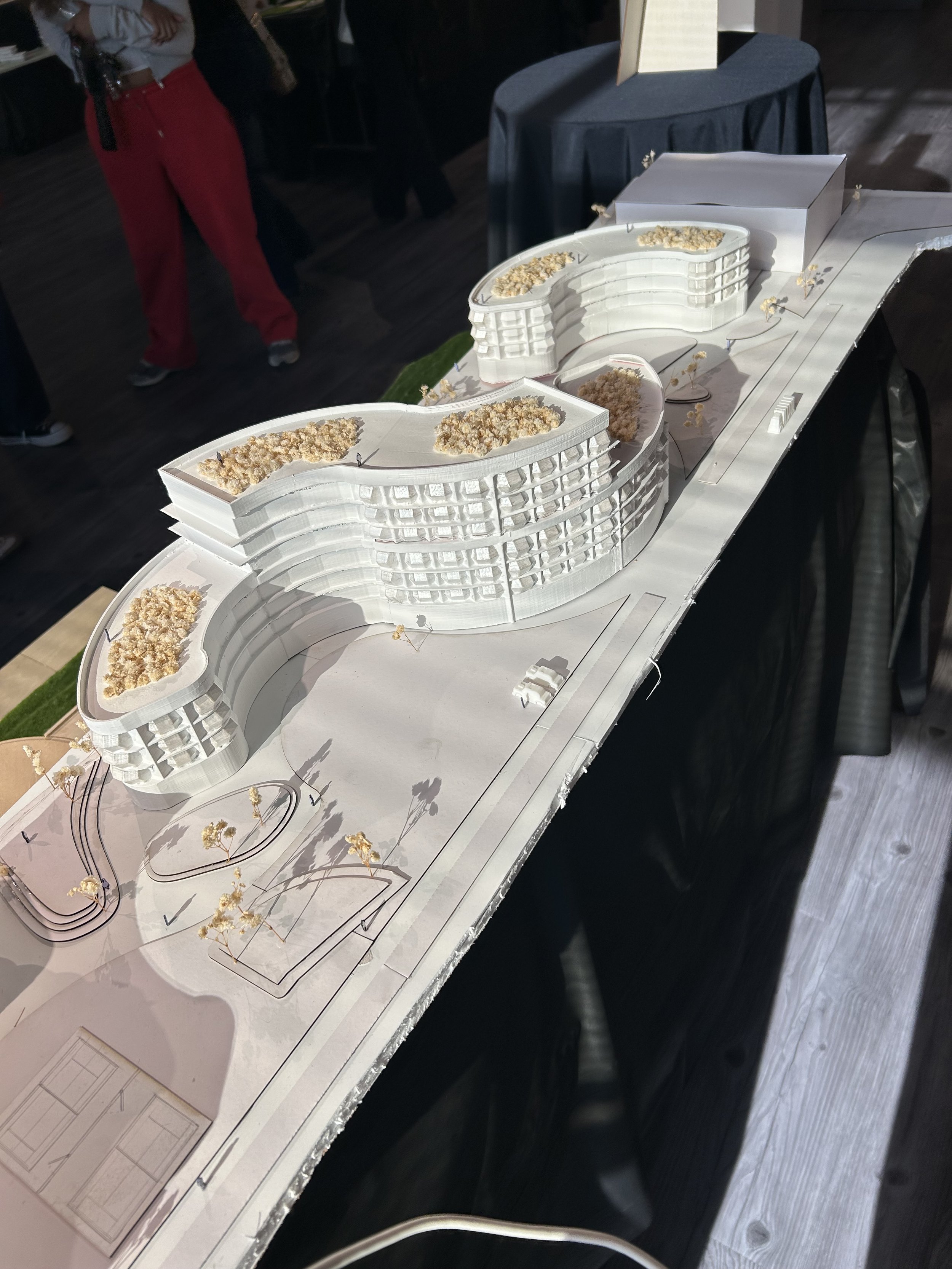
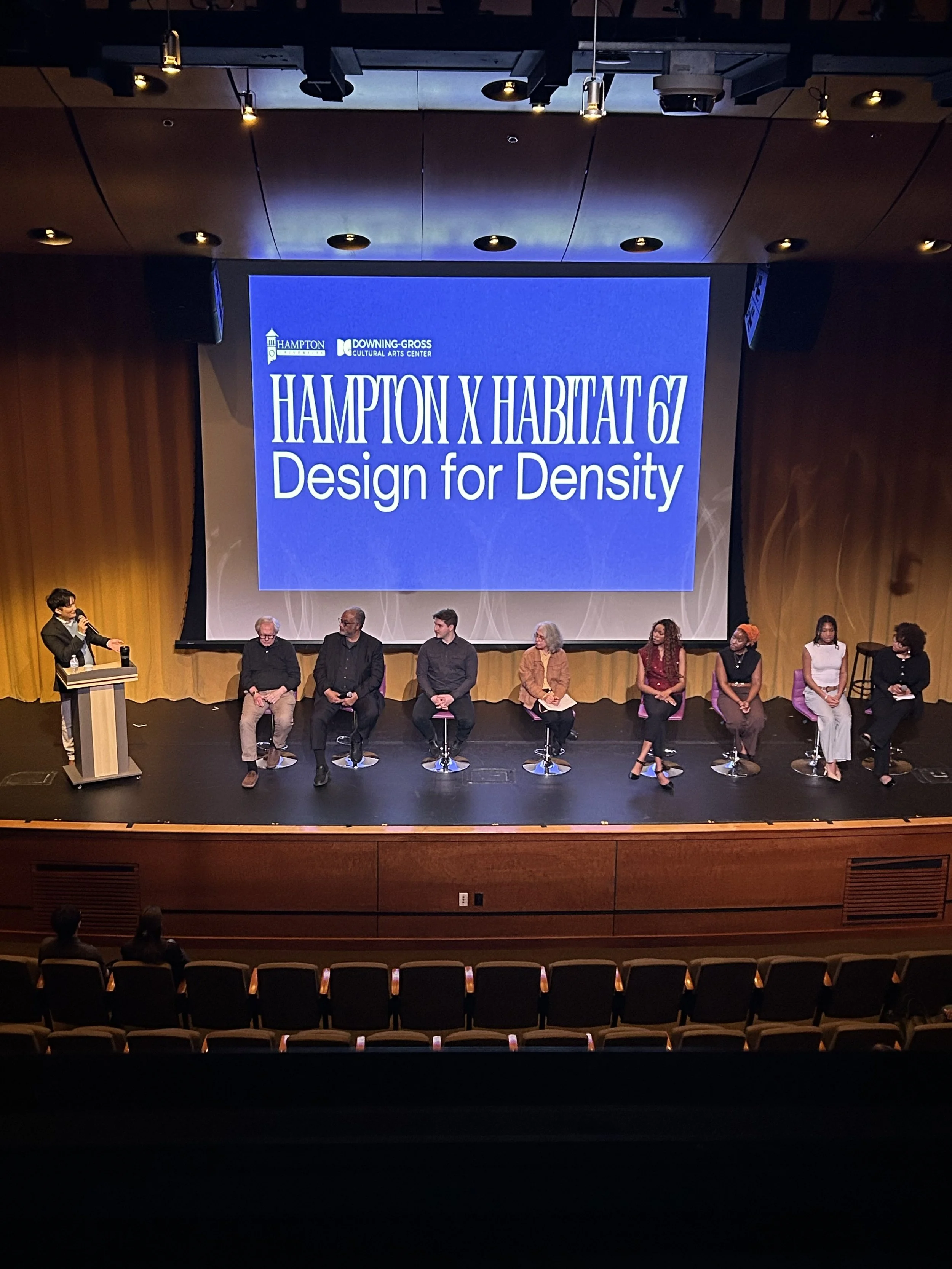
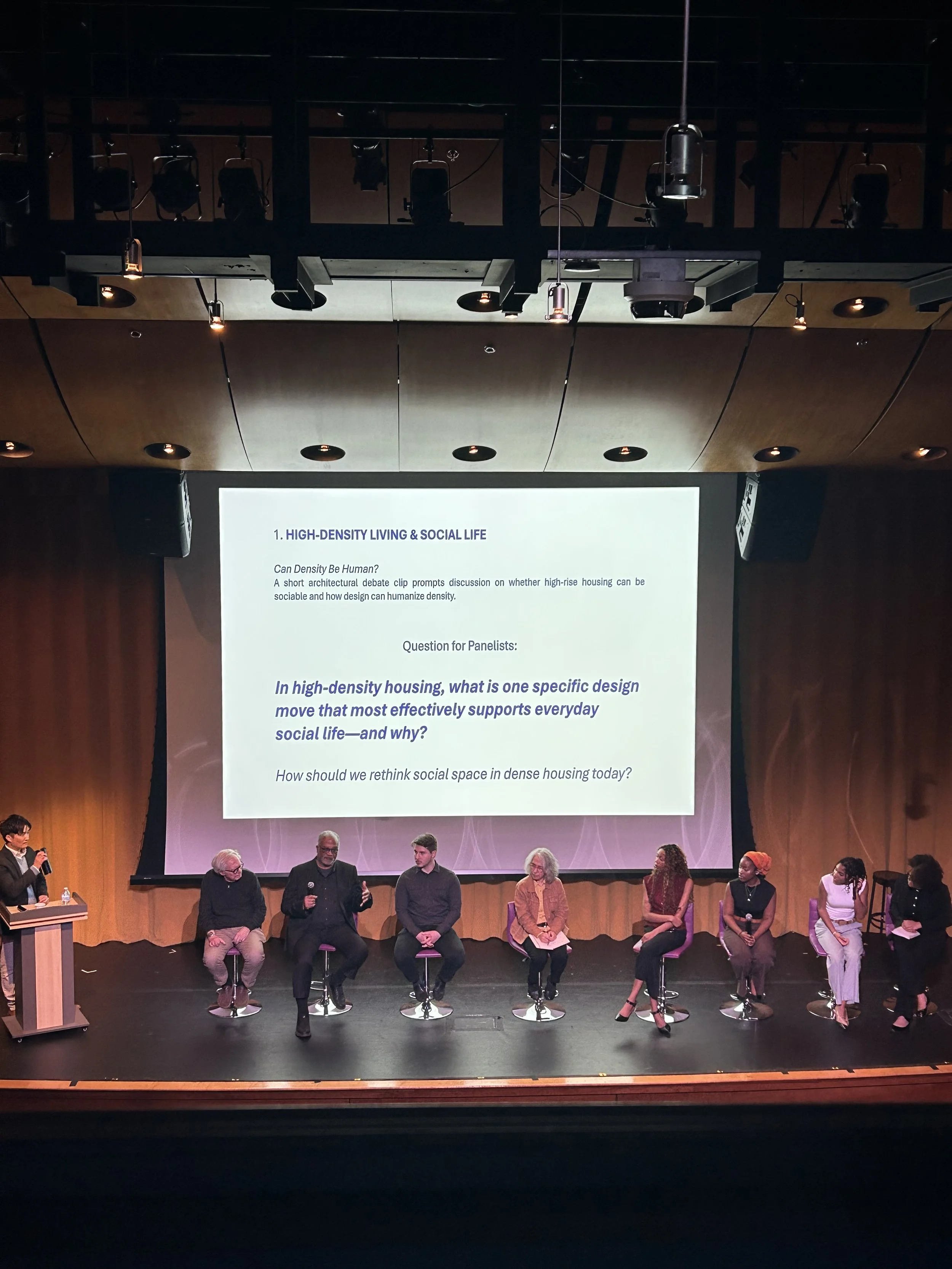
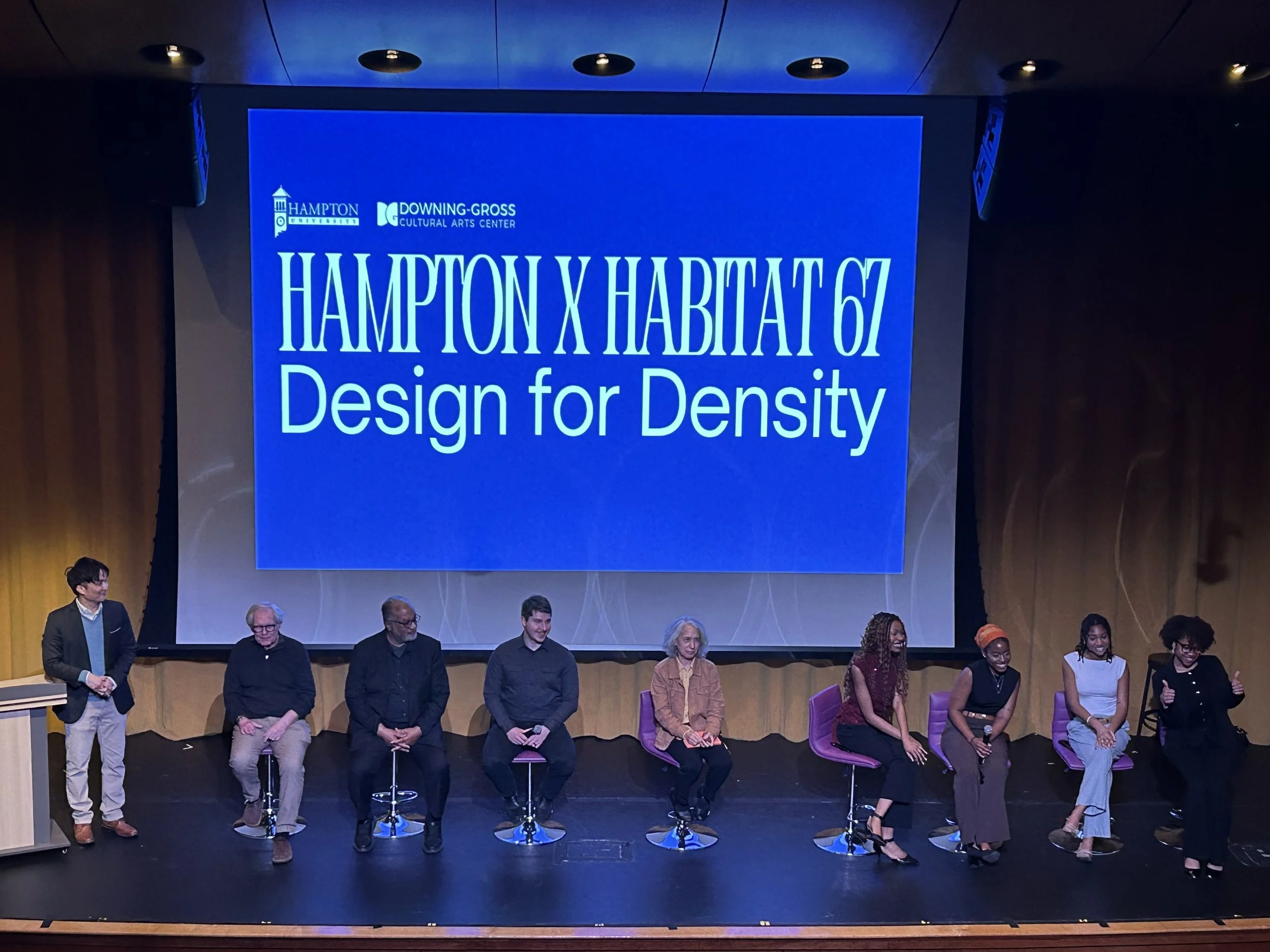
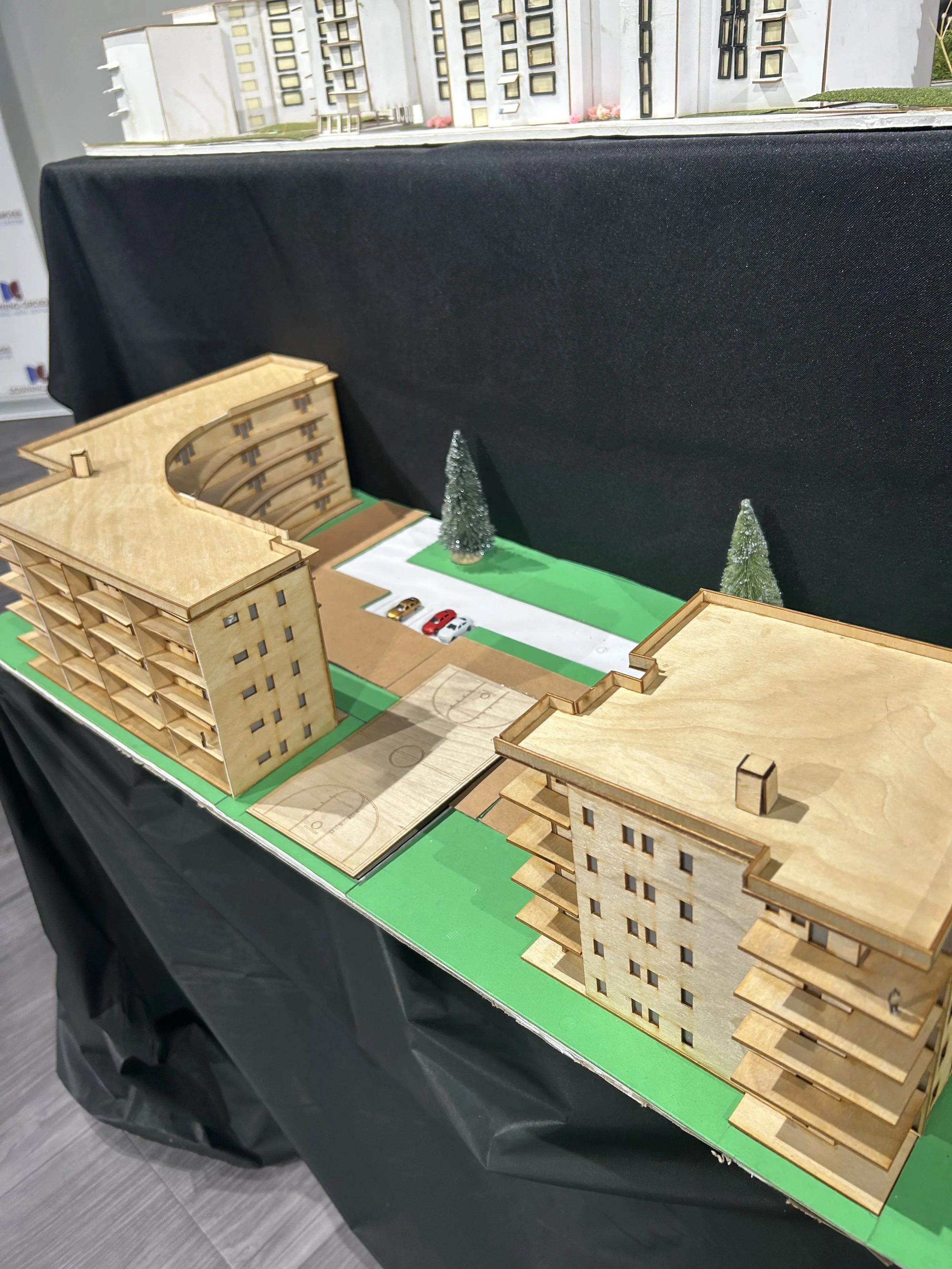
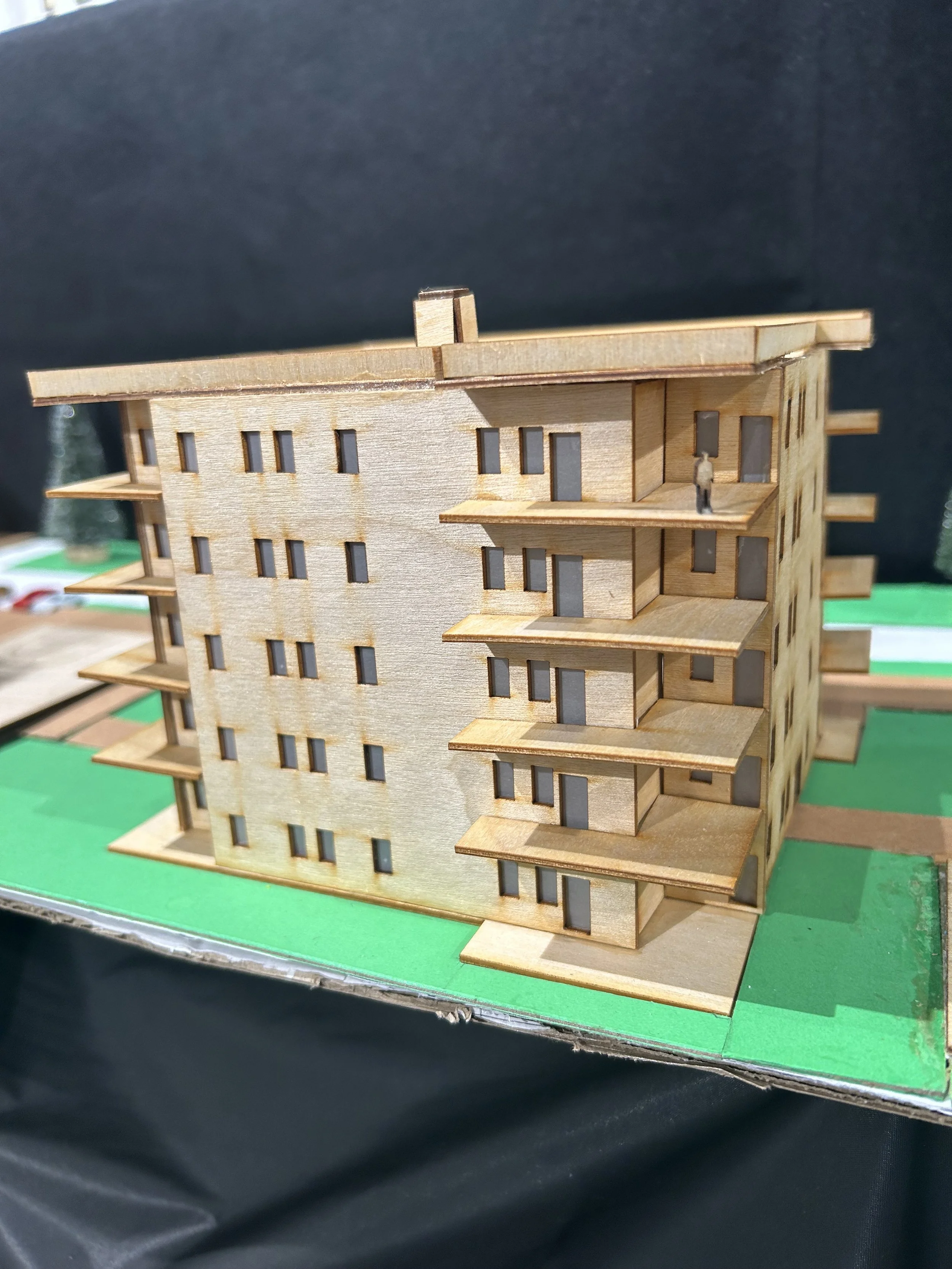
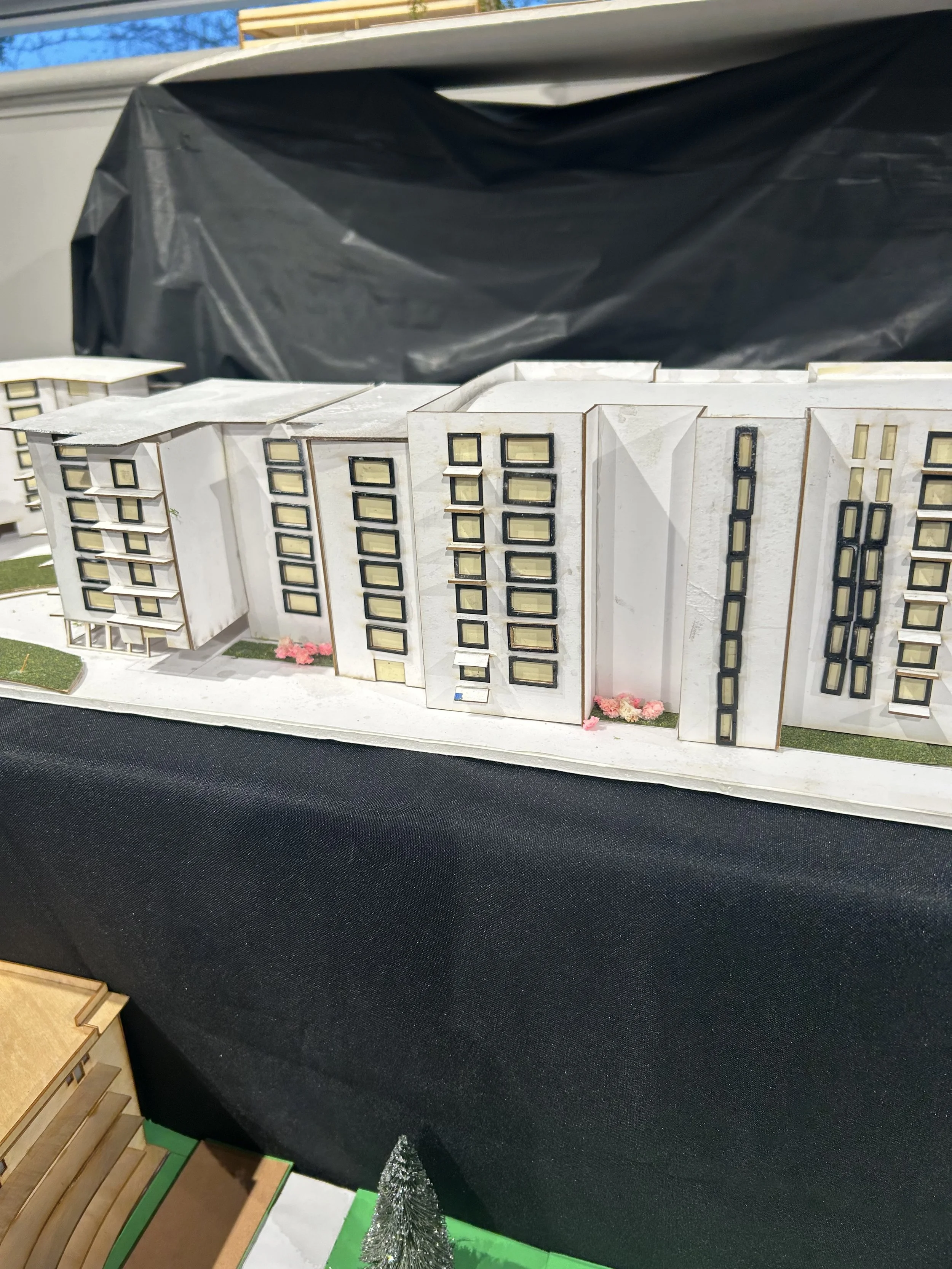
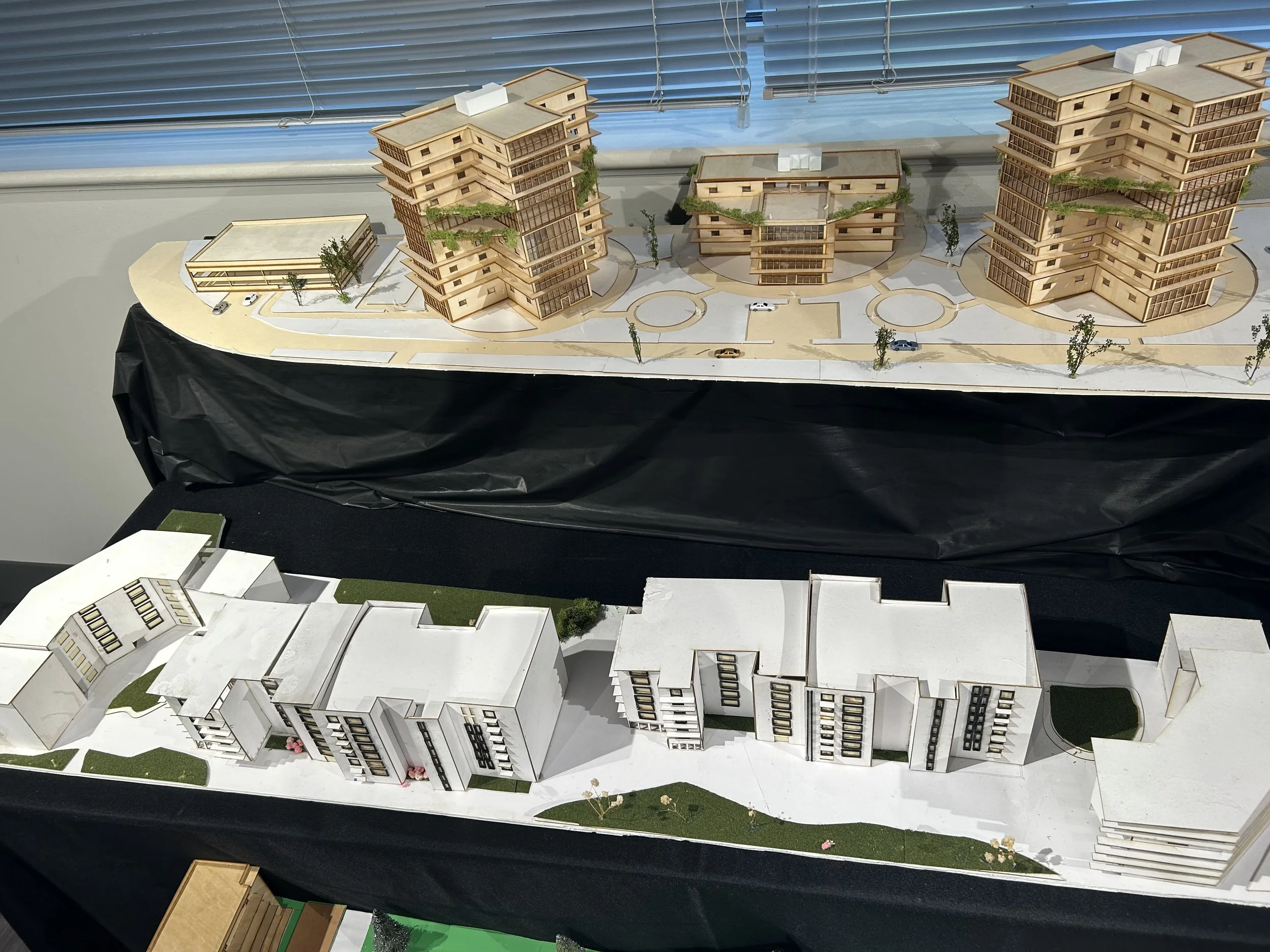
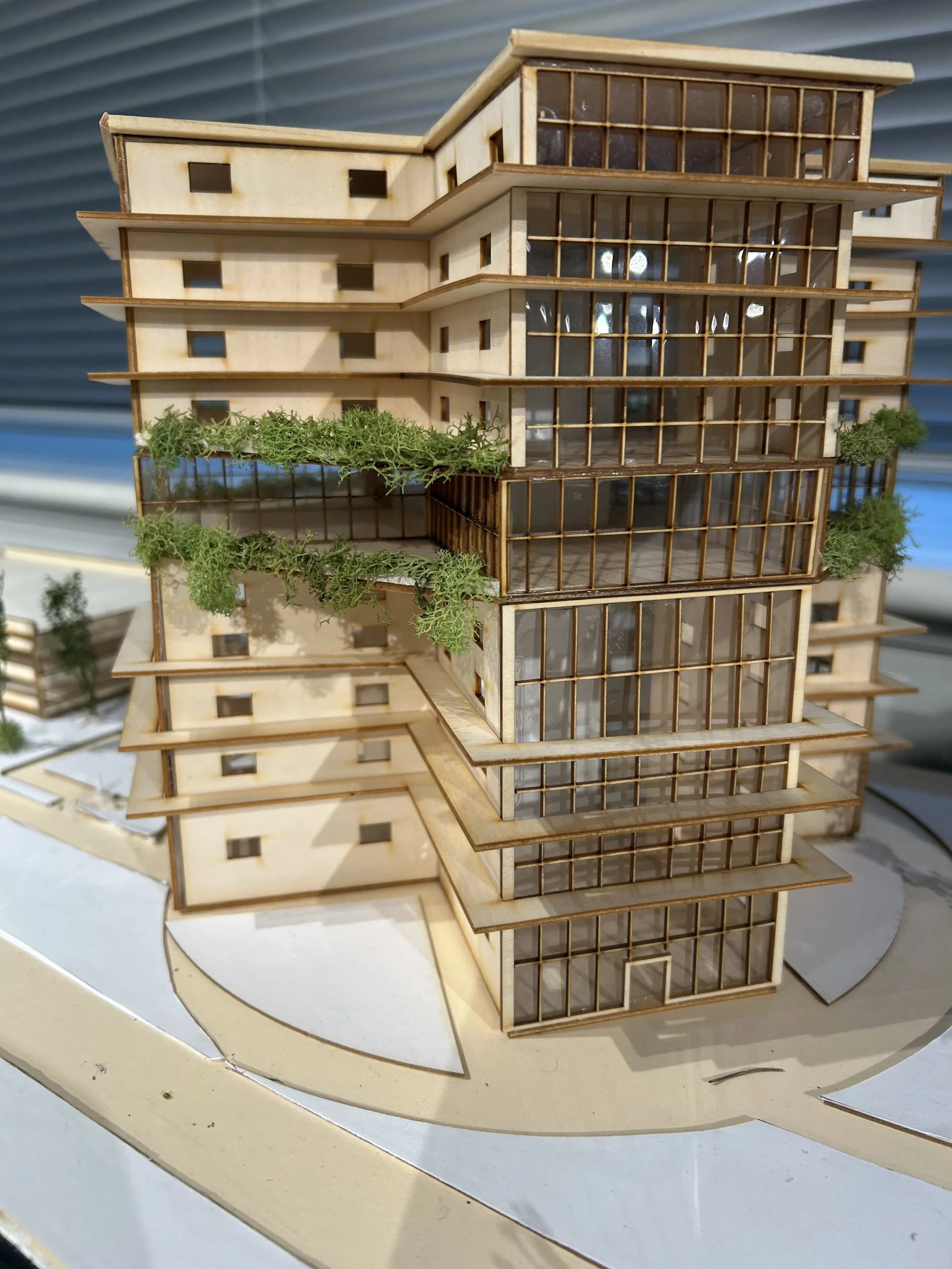
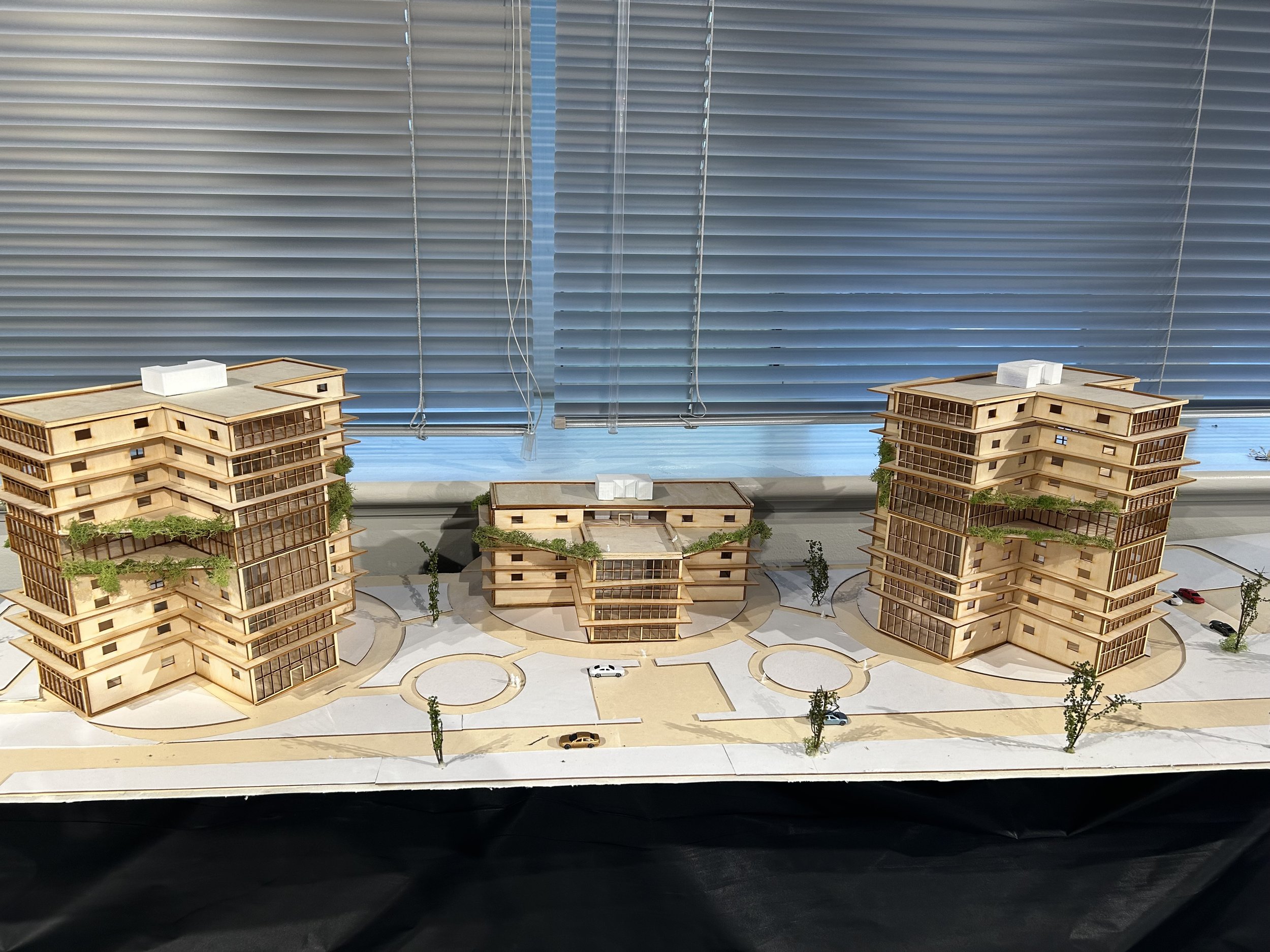
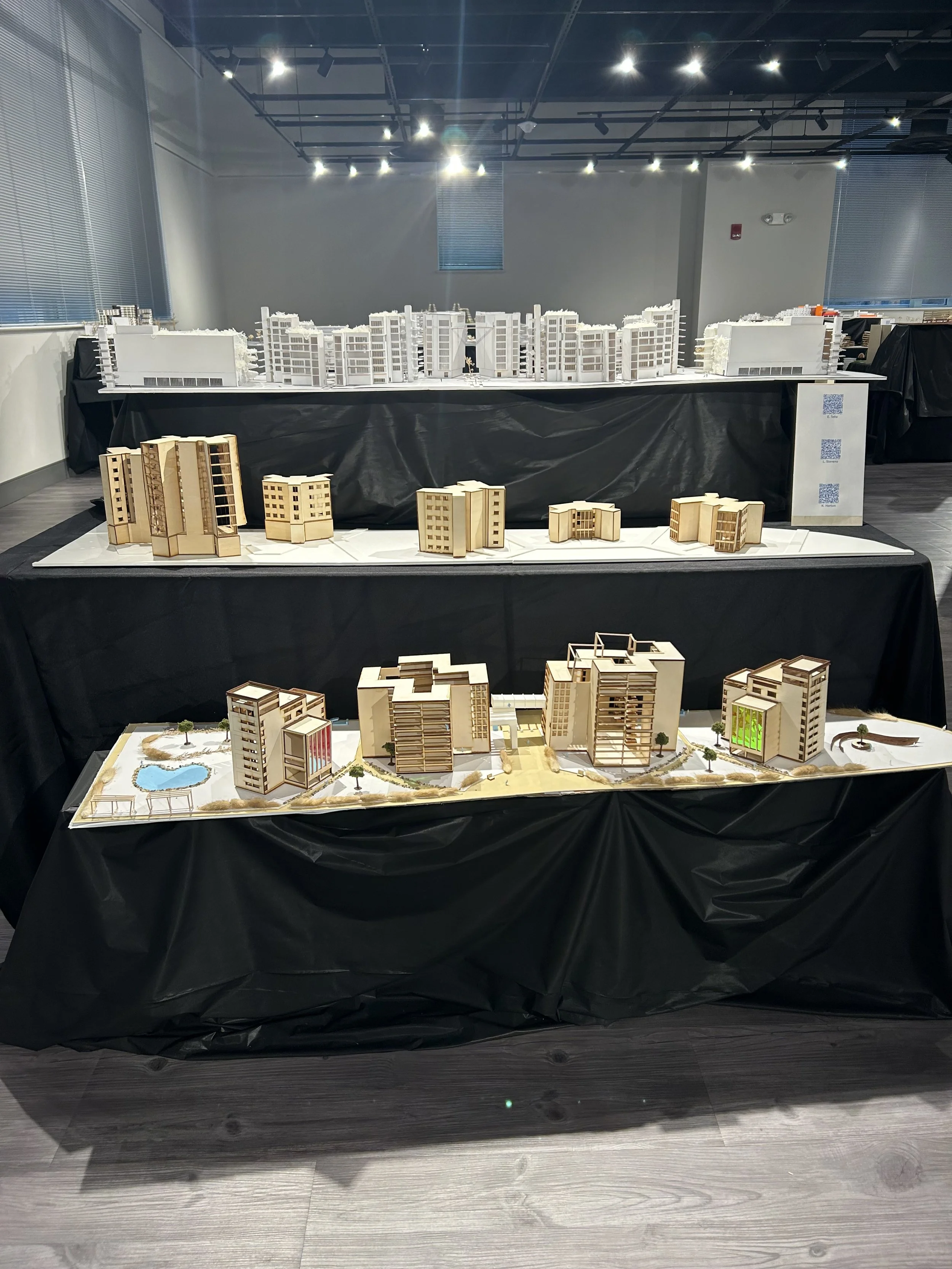
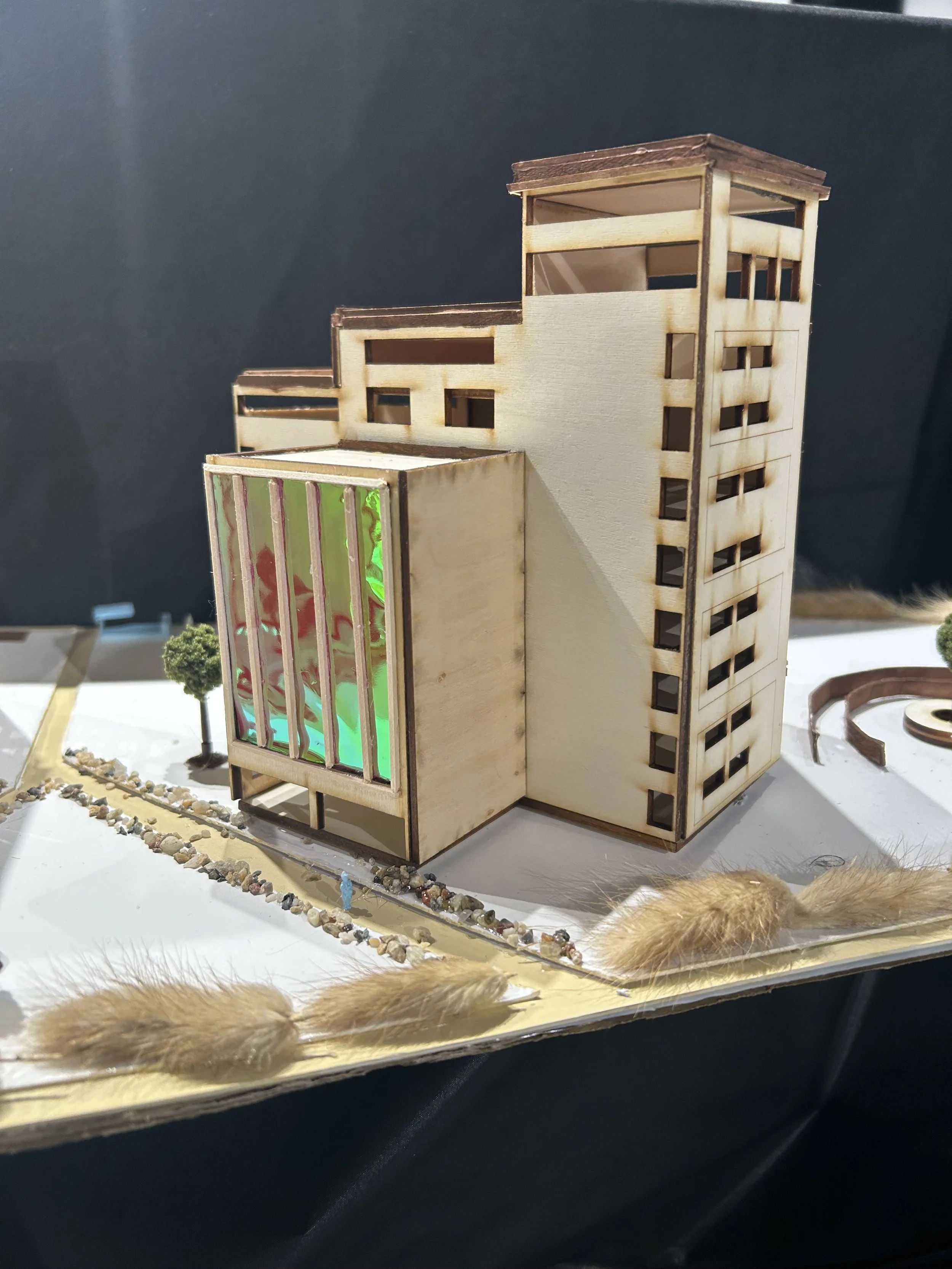
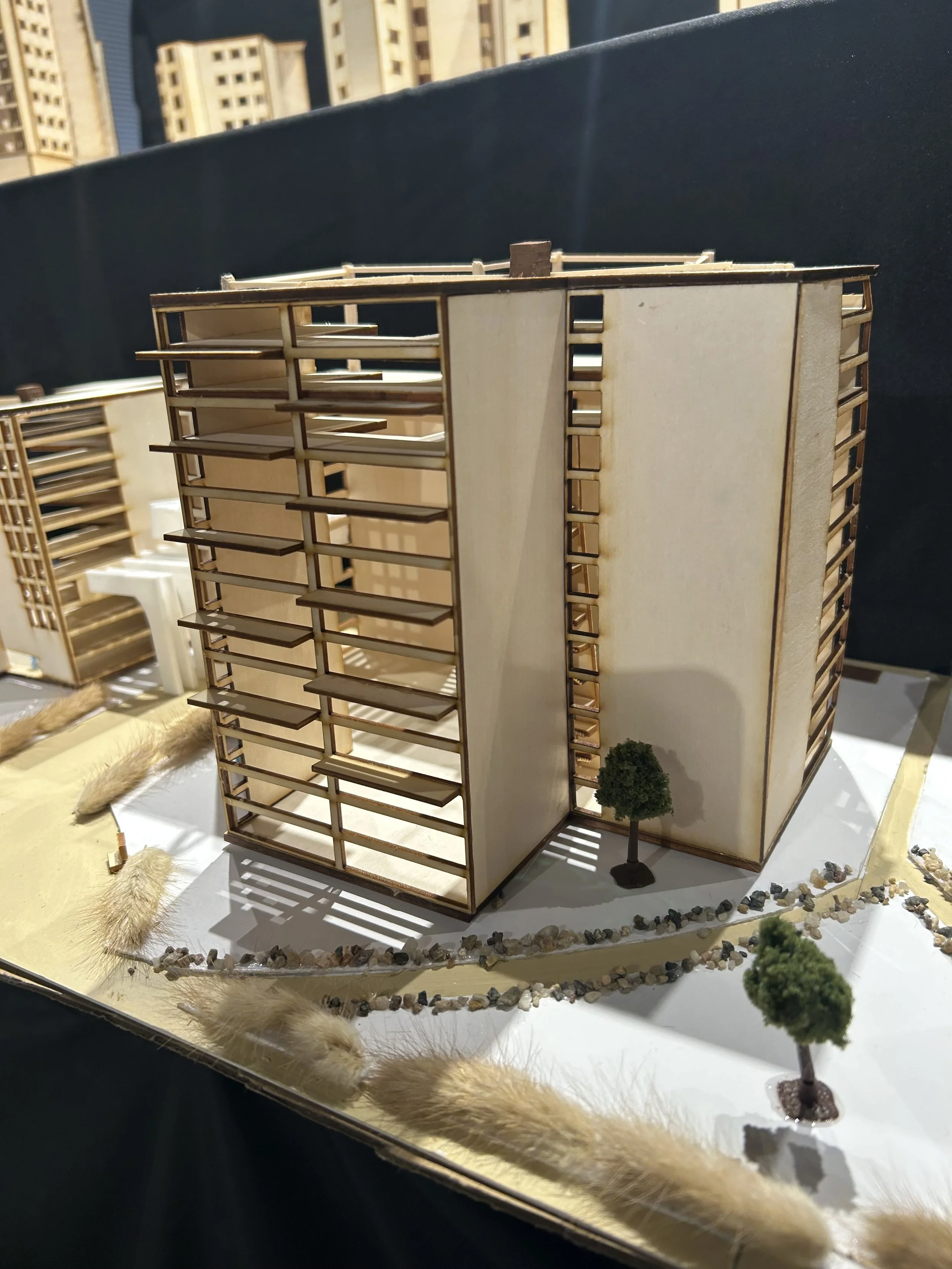
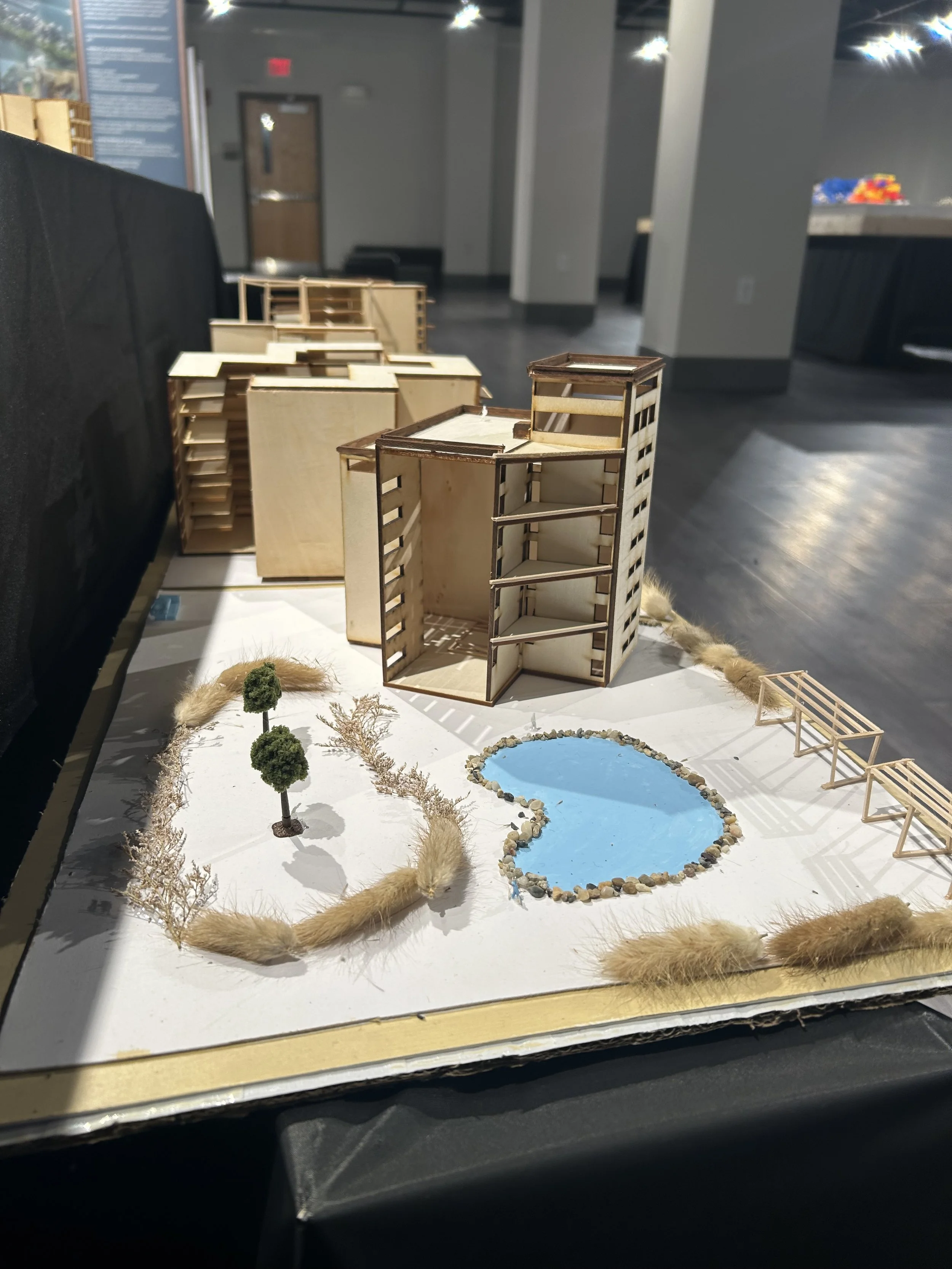
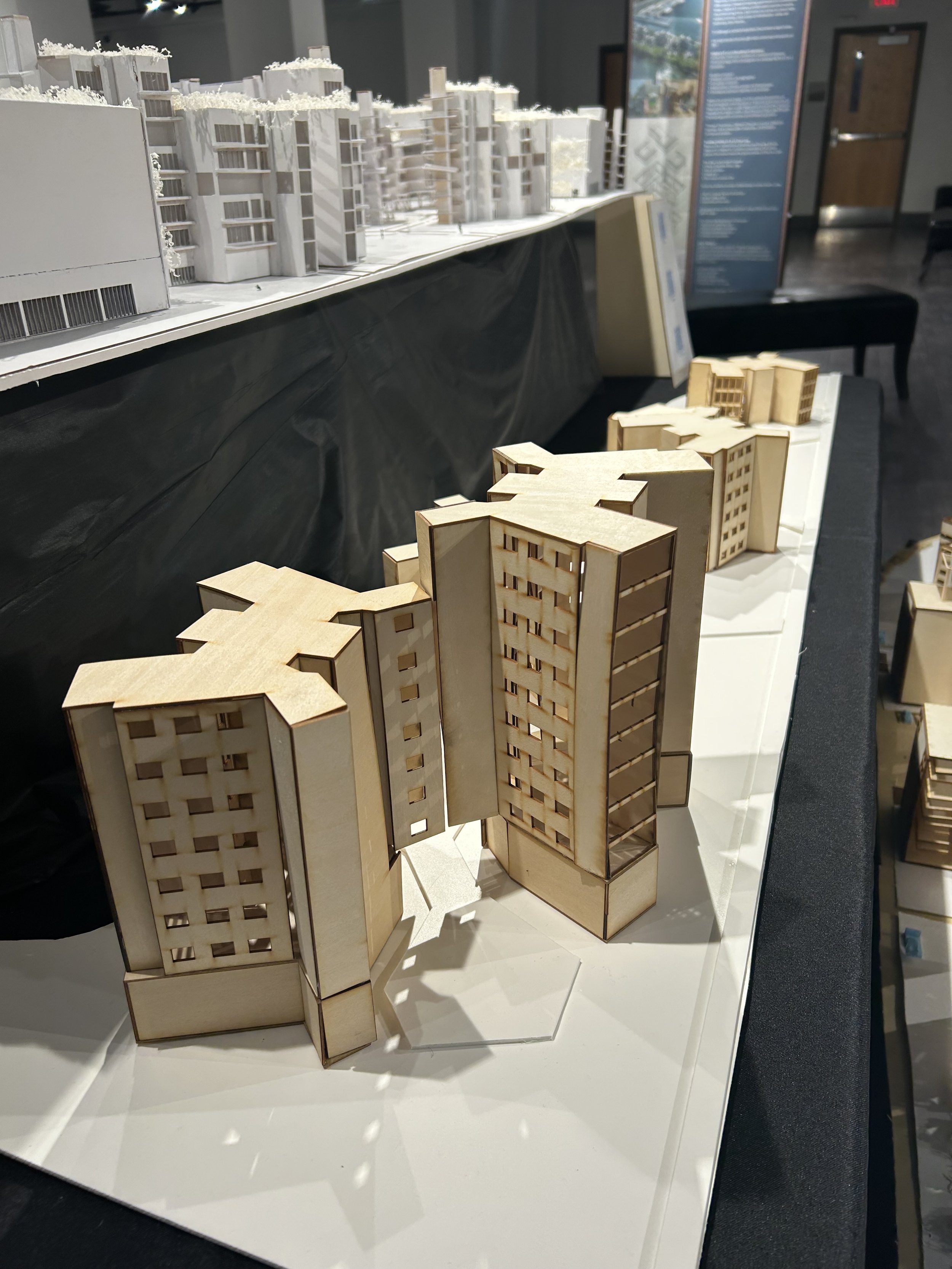
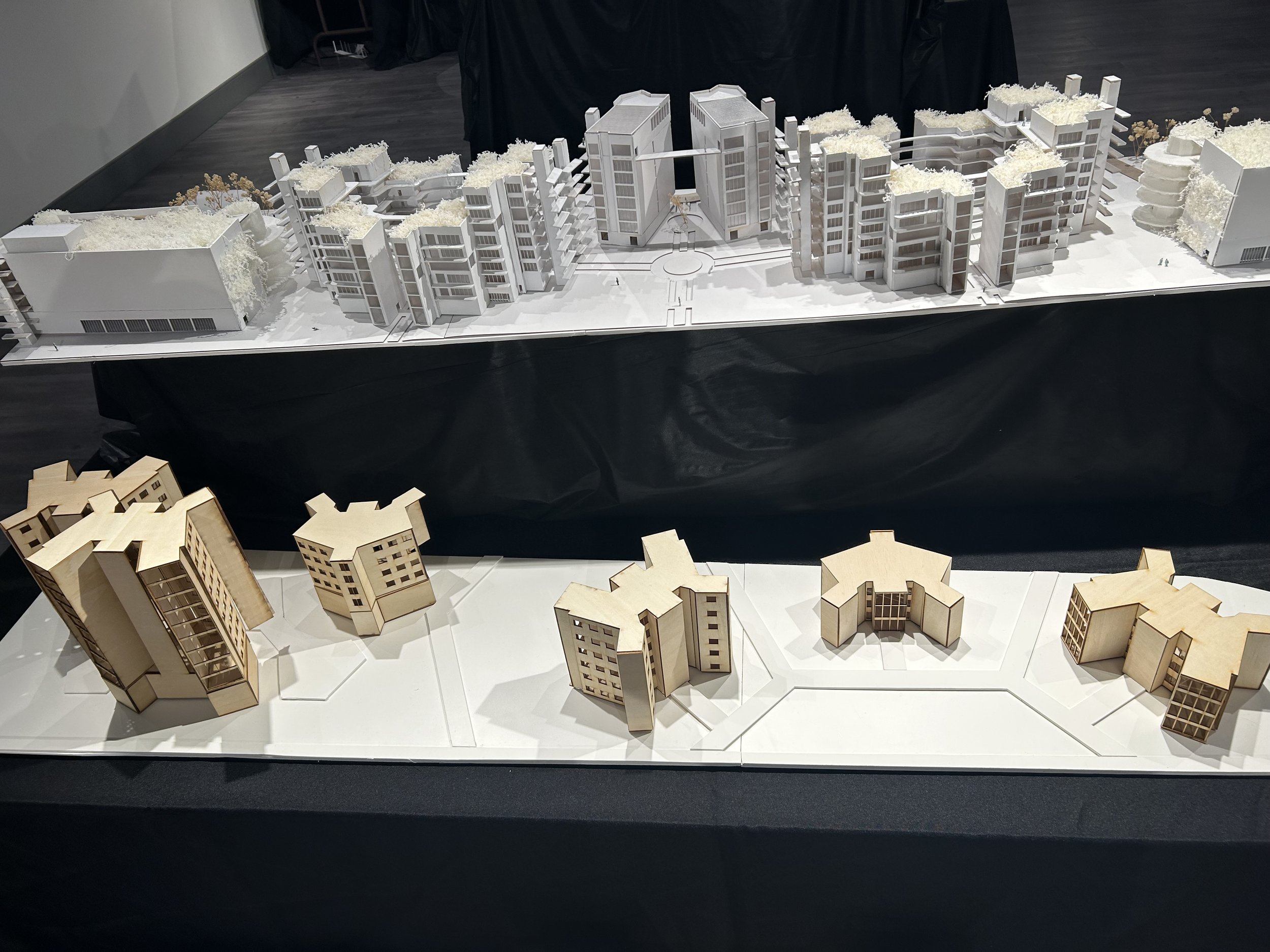
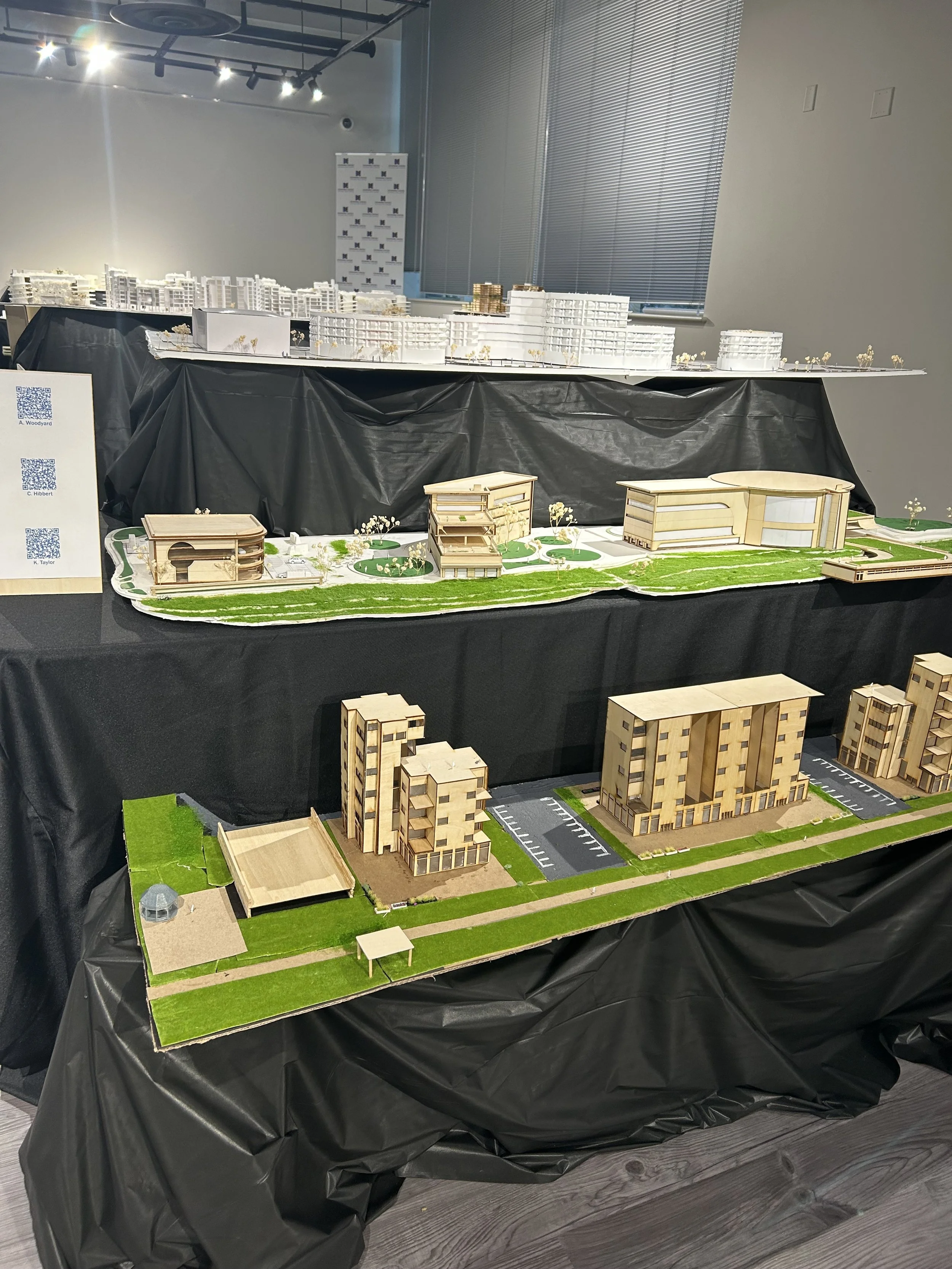
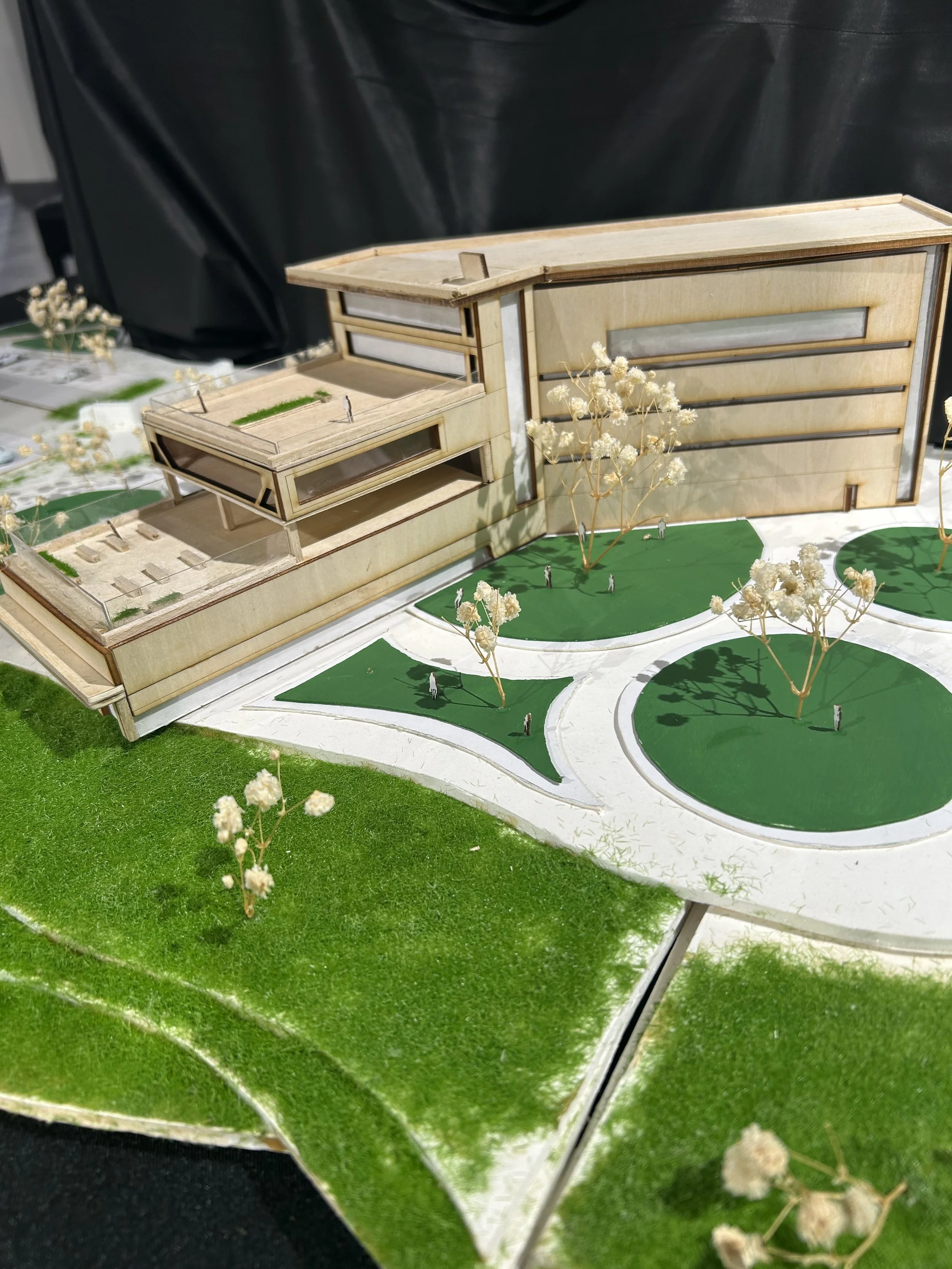
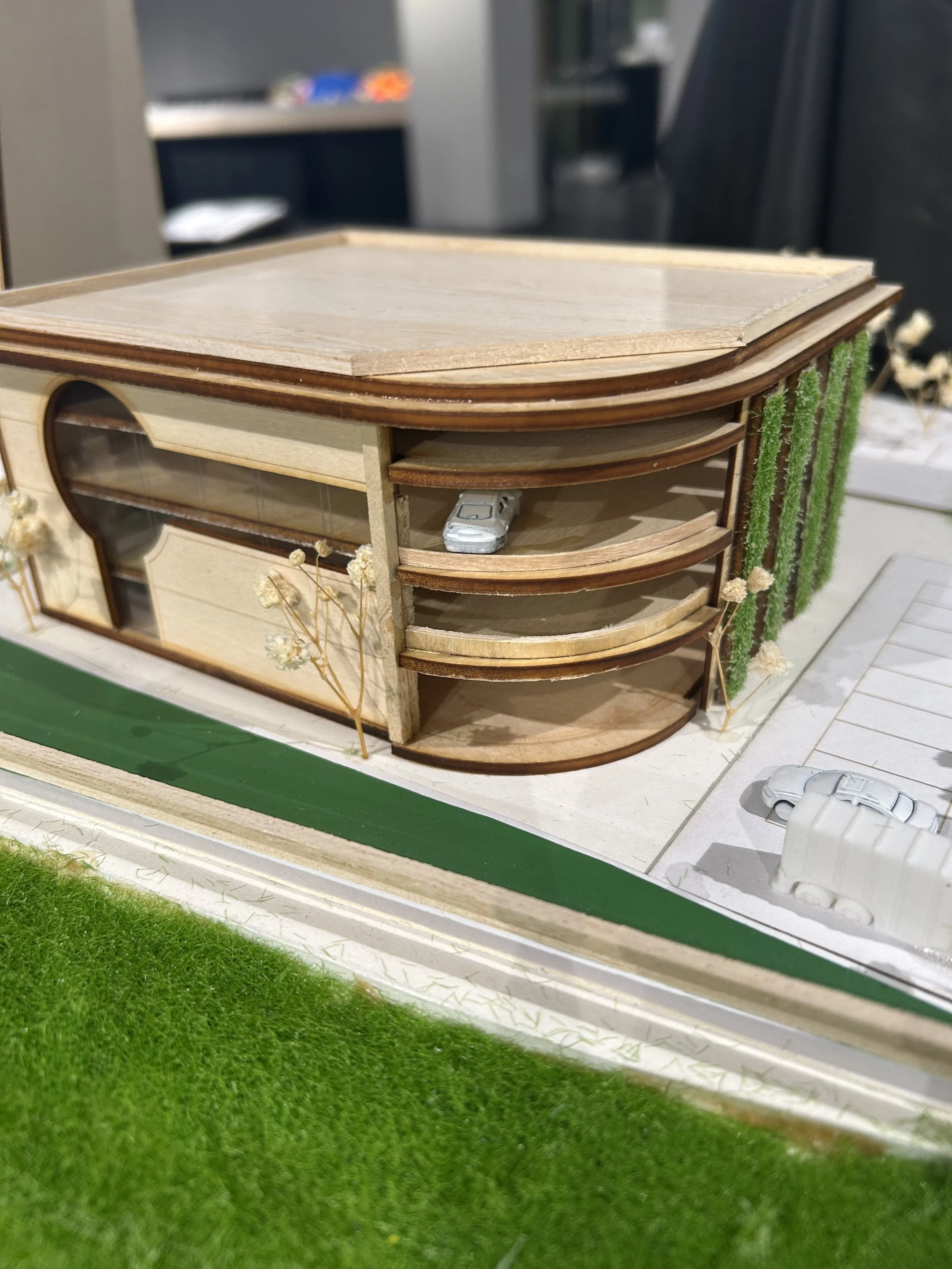
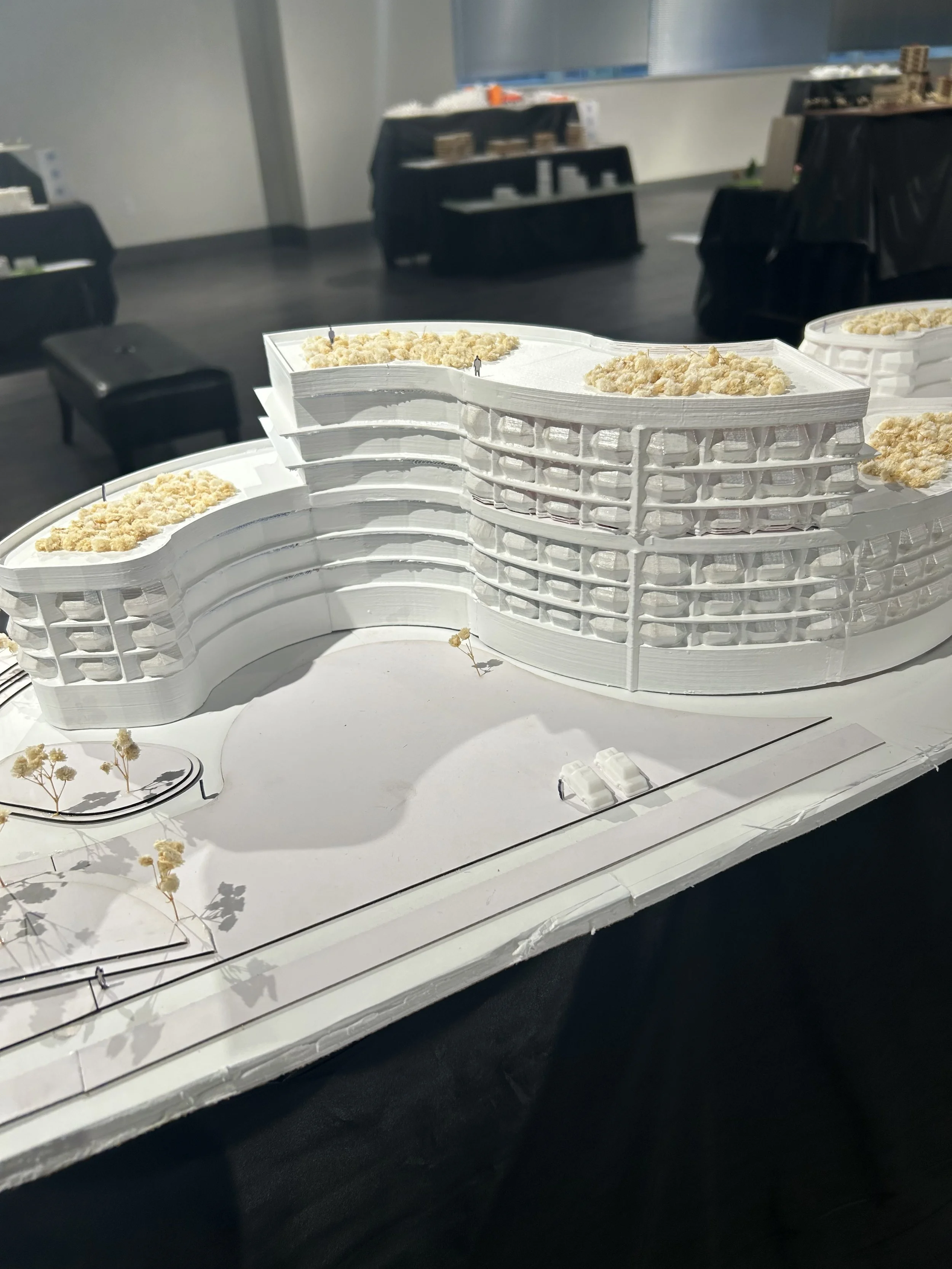
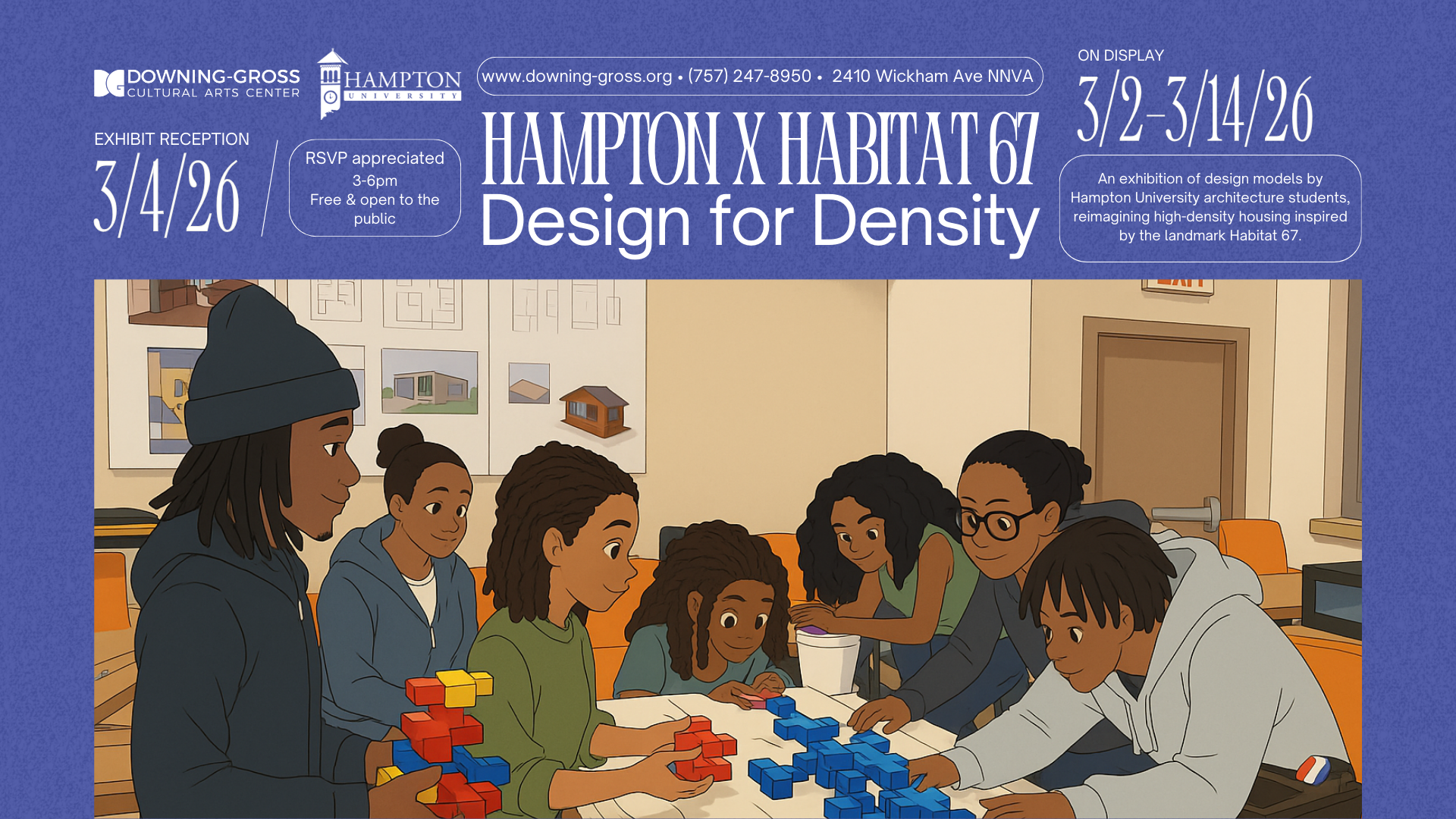
Hampton University’s third-year undergraduate architecture students are exploring multi-family housing design with heightened awareness of the global housing crisis, examining how policies and practices in different international contexts shape approaches to density, livability, and community. As a key precedent study, students have investigated Habitat 67, the landmark housing complex designed by Moshe Safdie for the 1967 Montreal Expo.
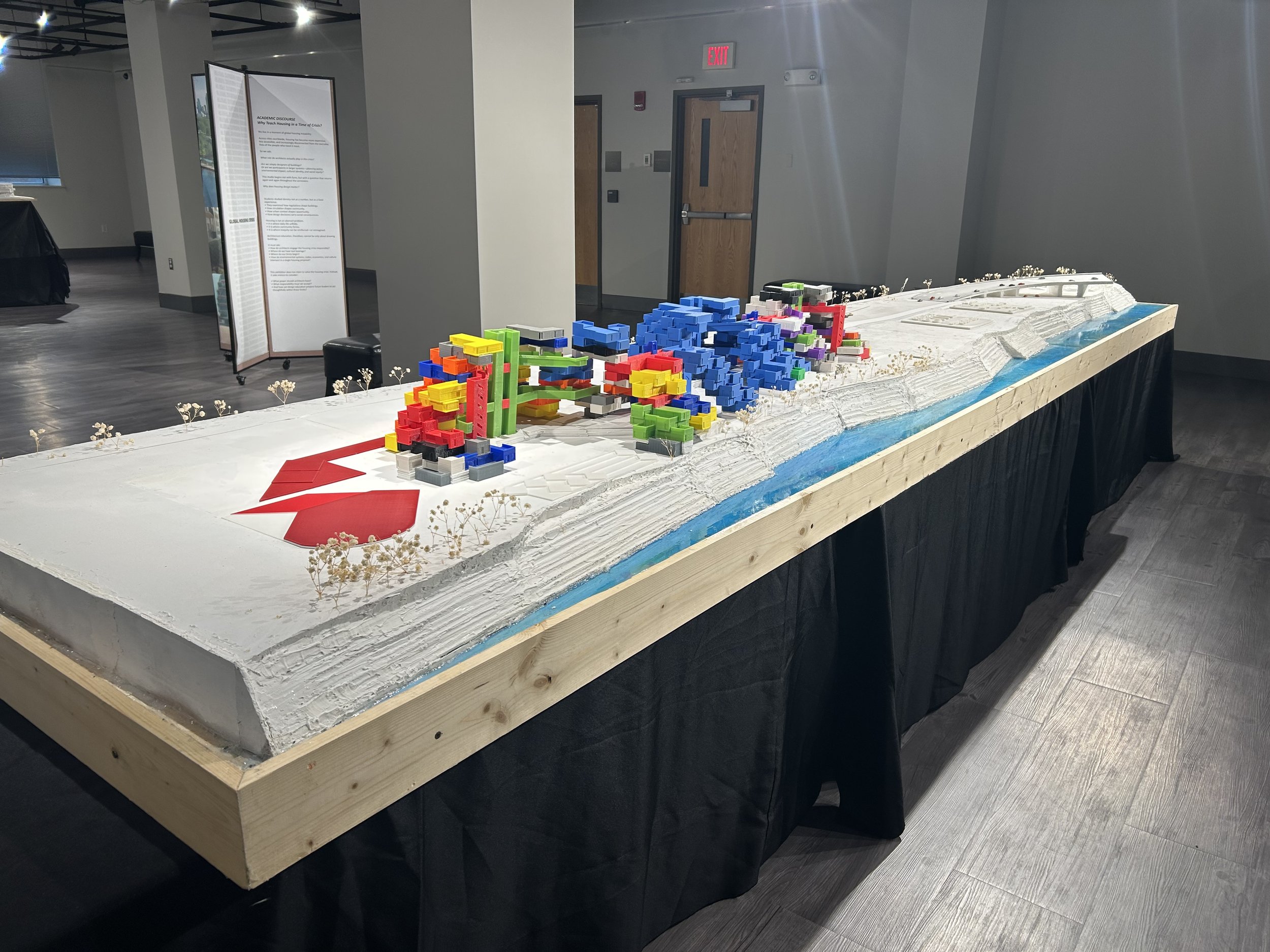
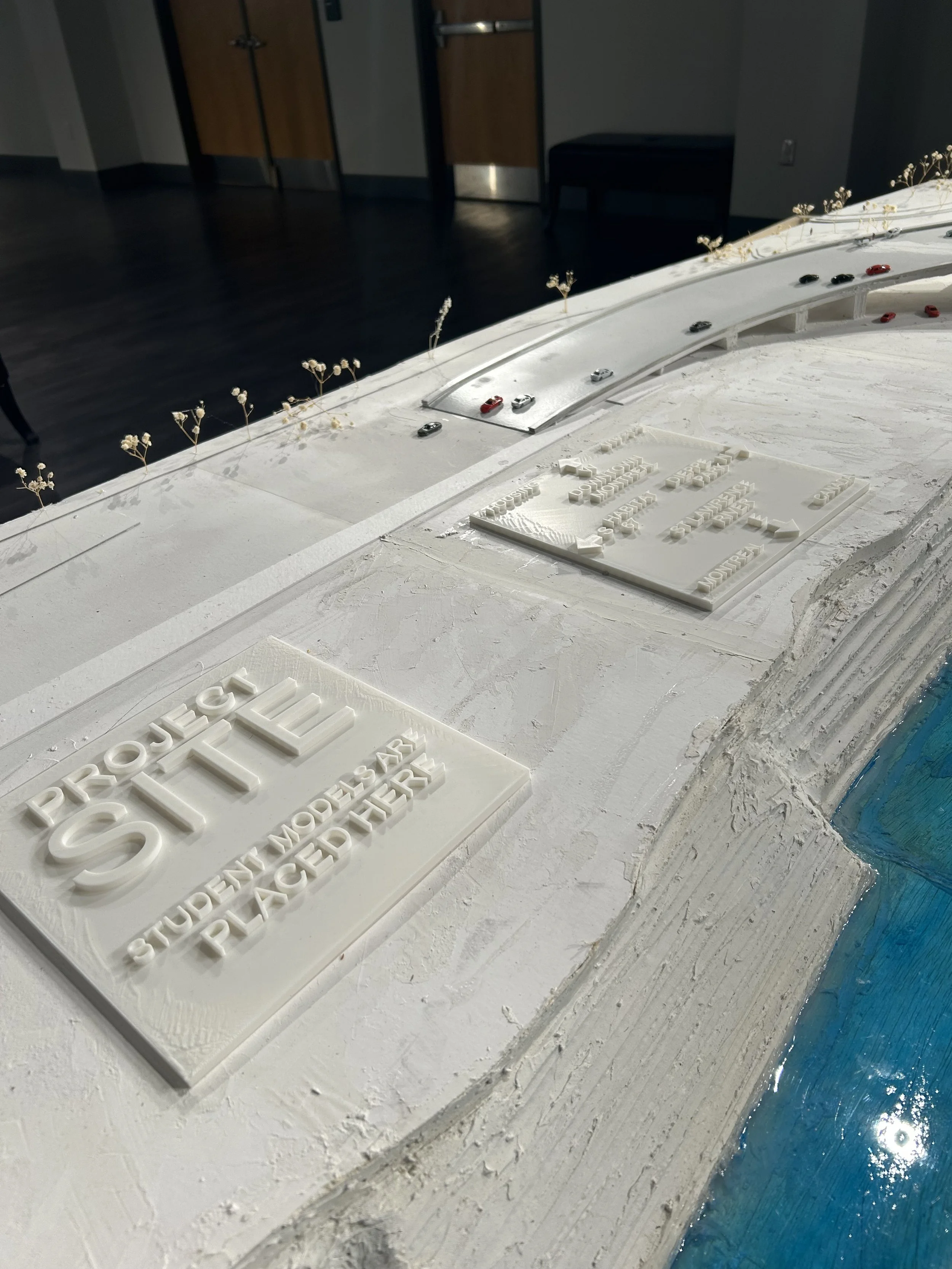
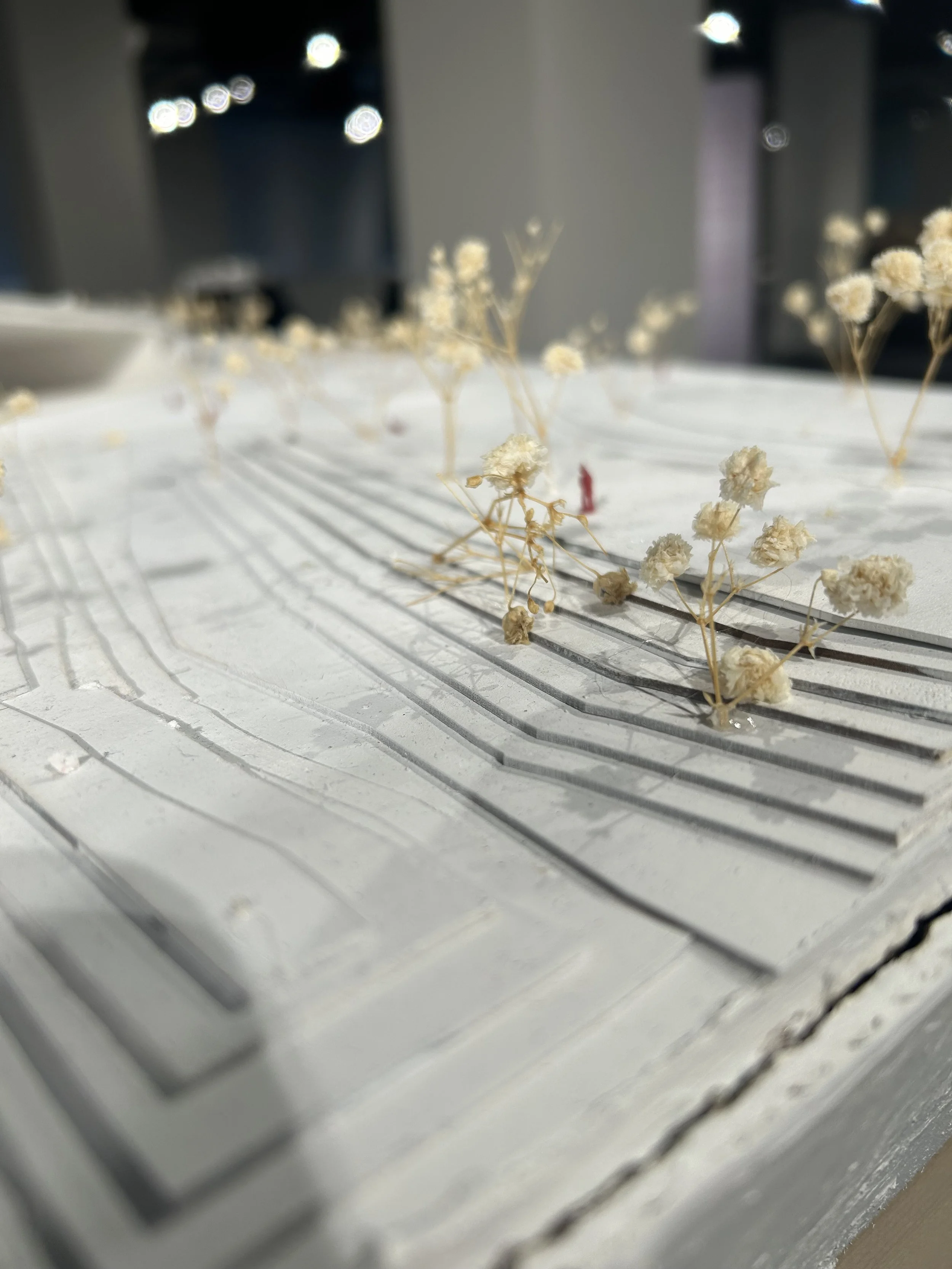
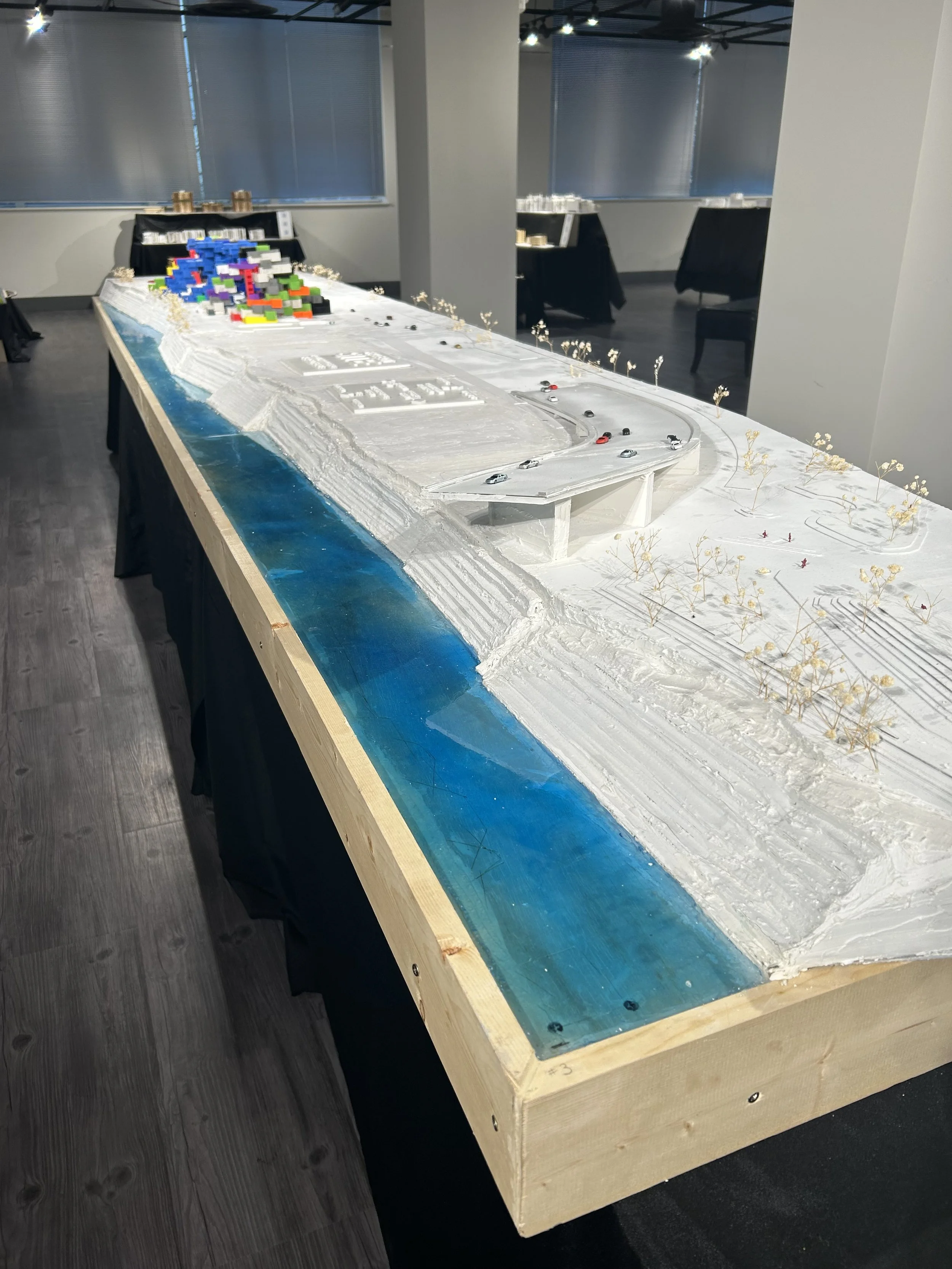
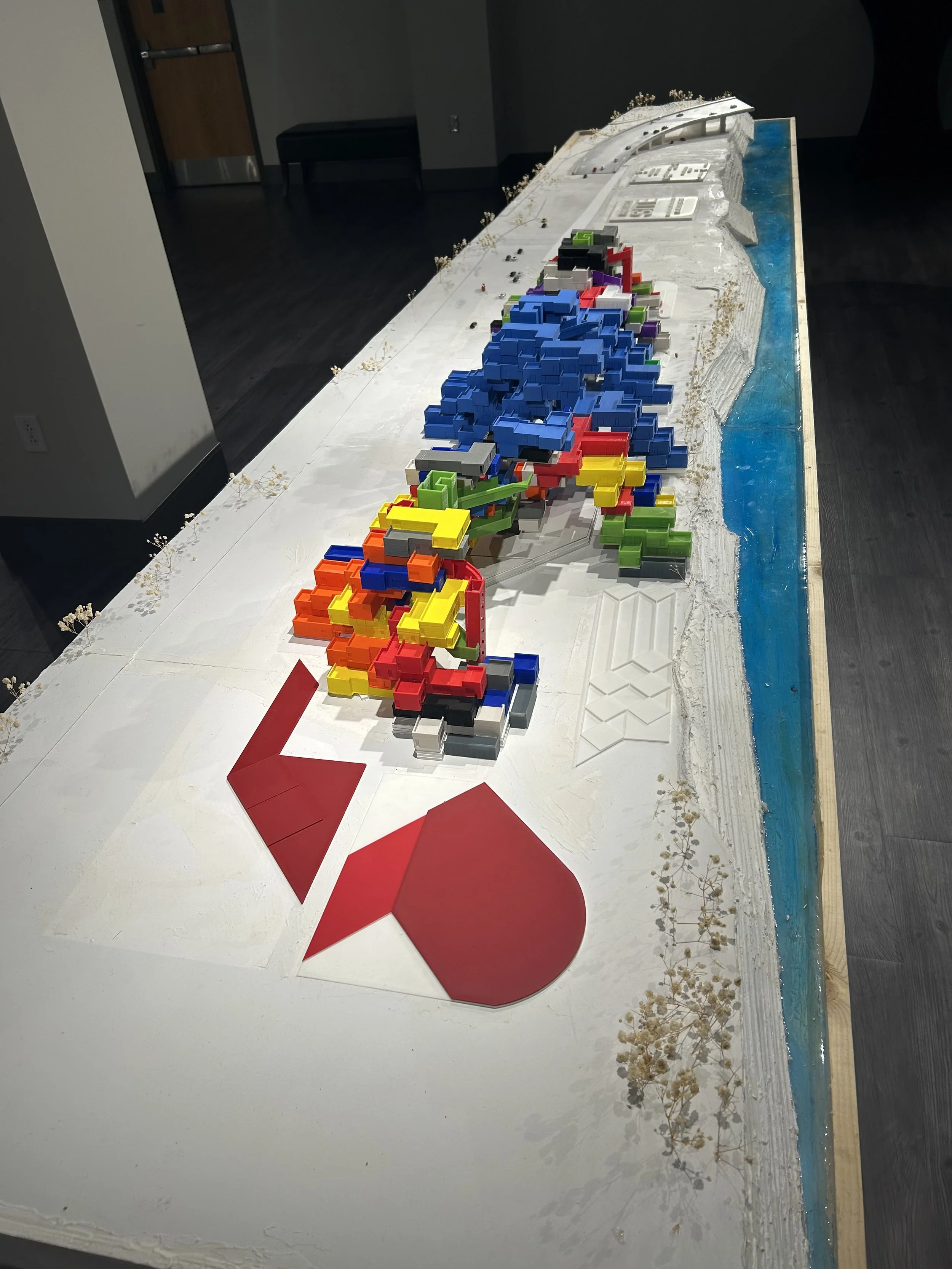
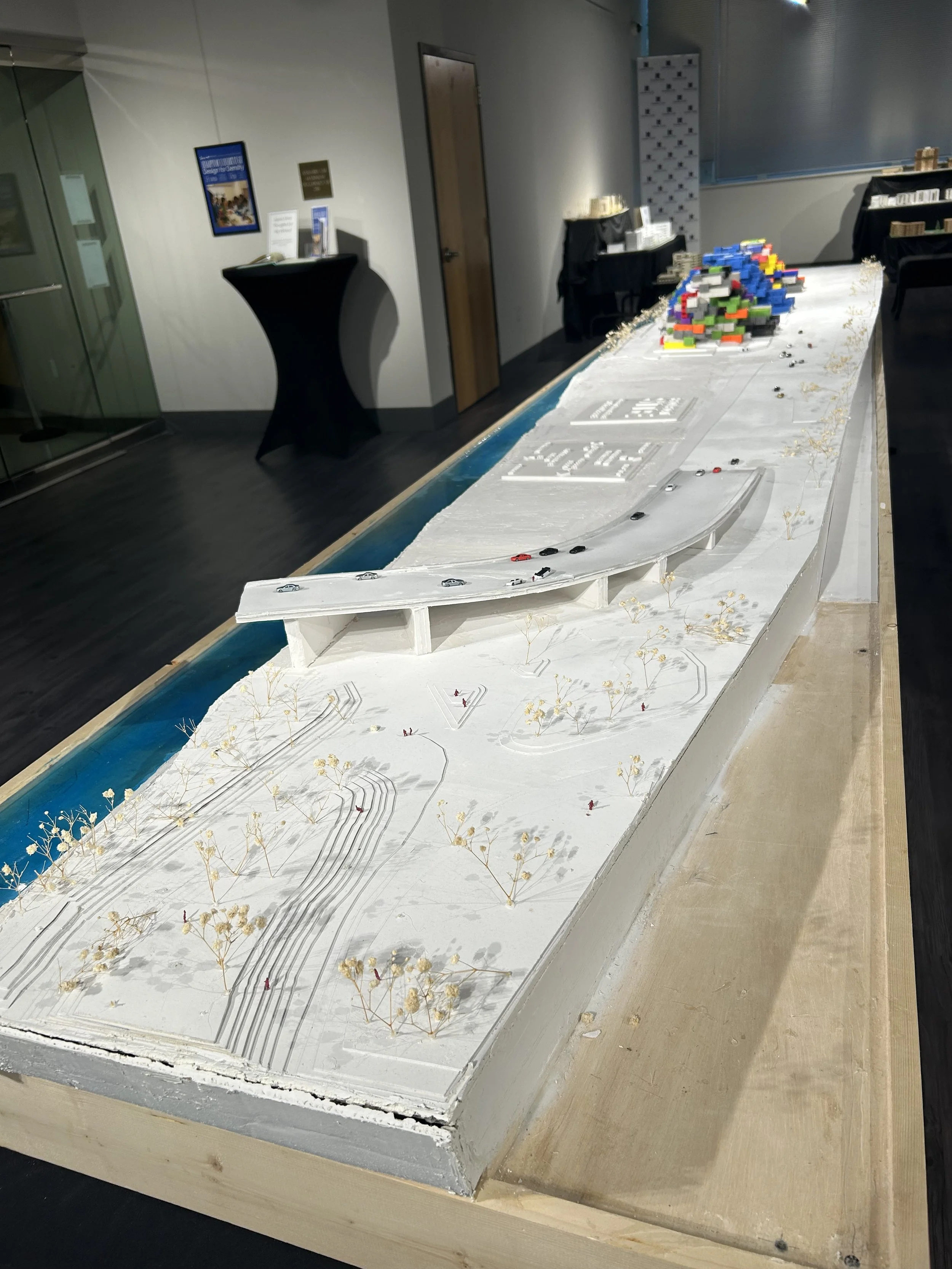
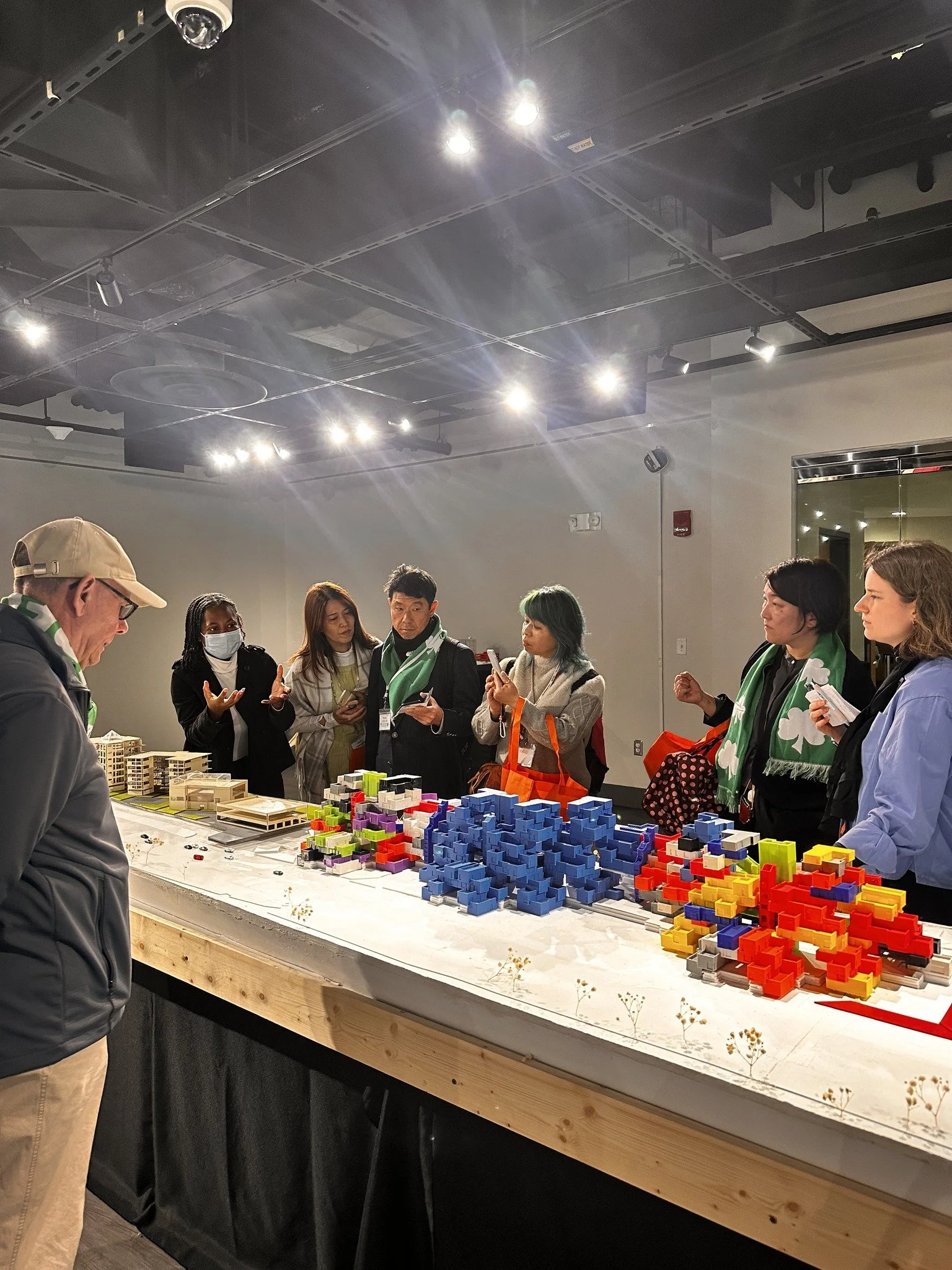
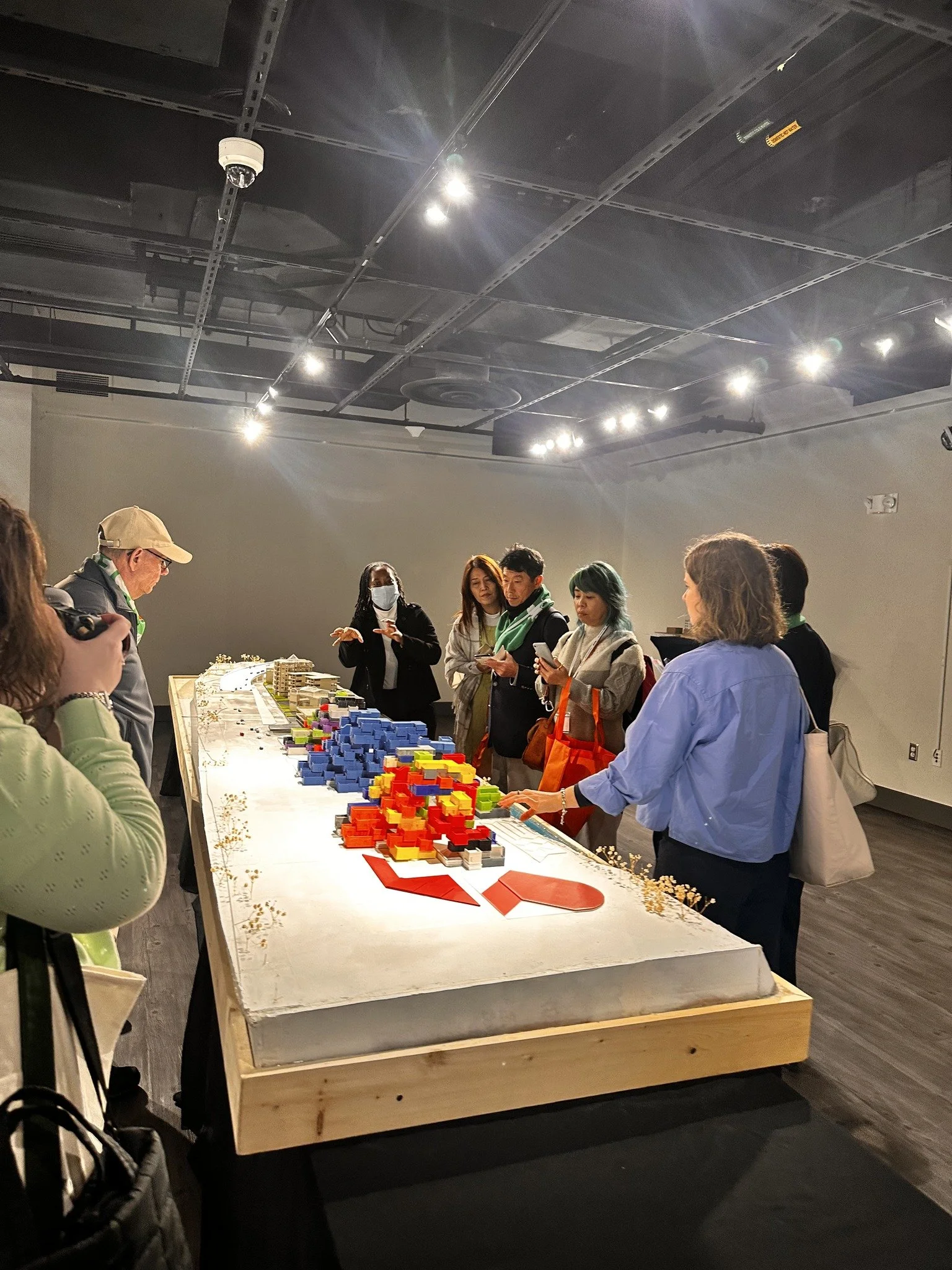
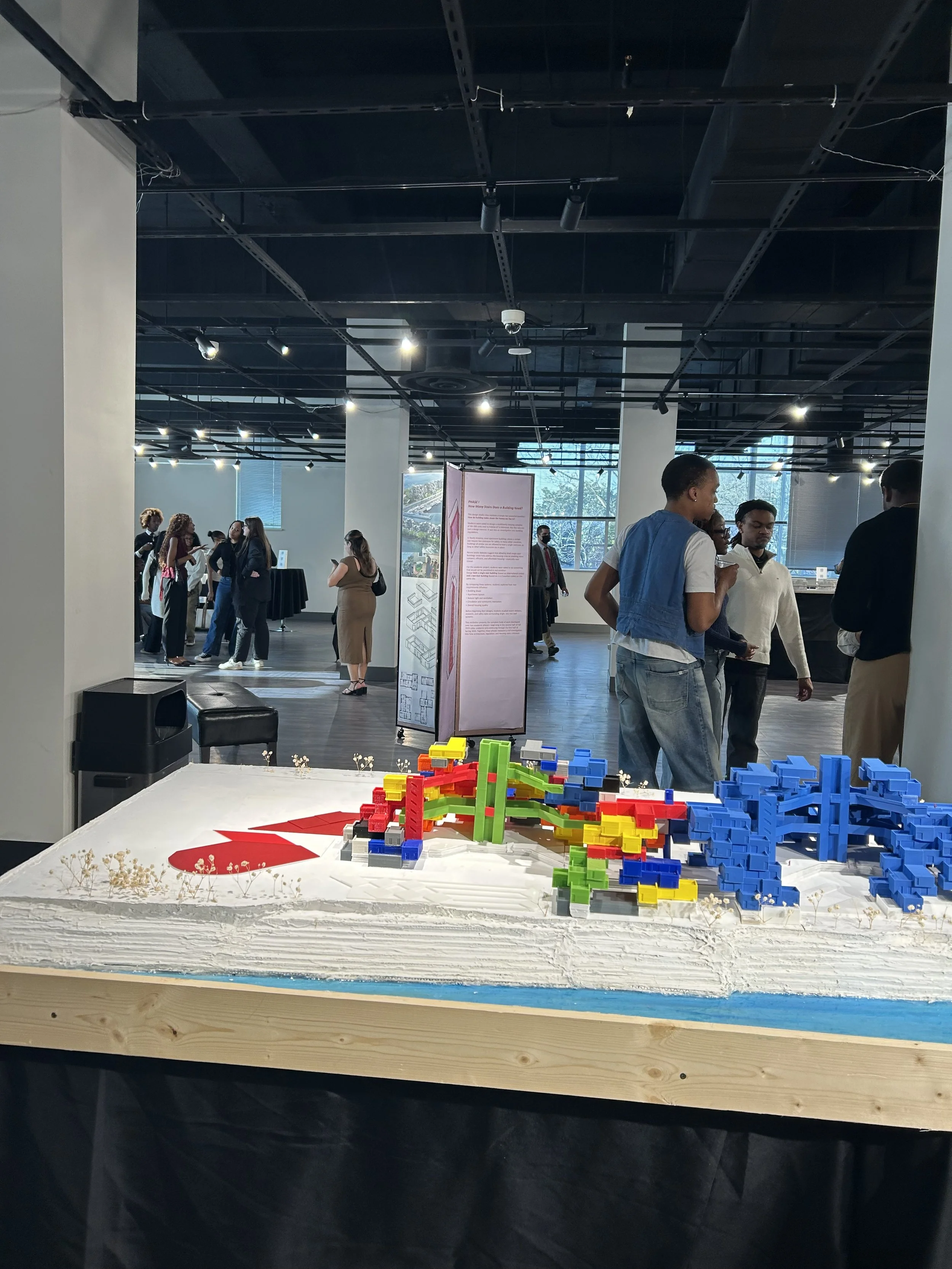
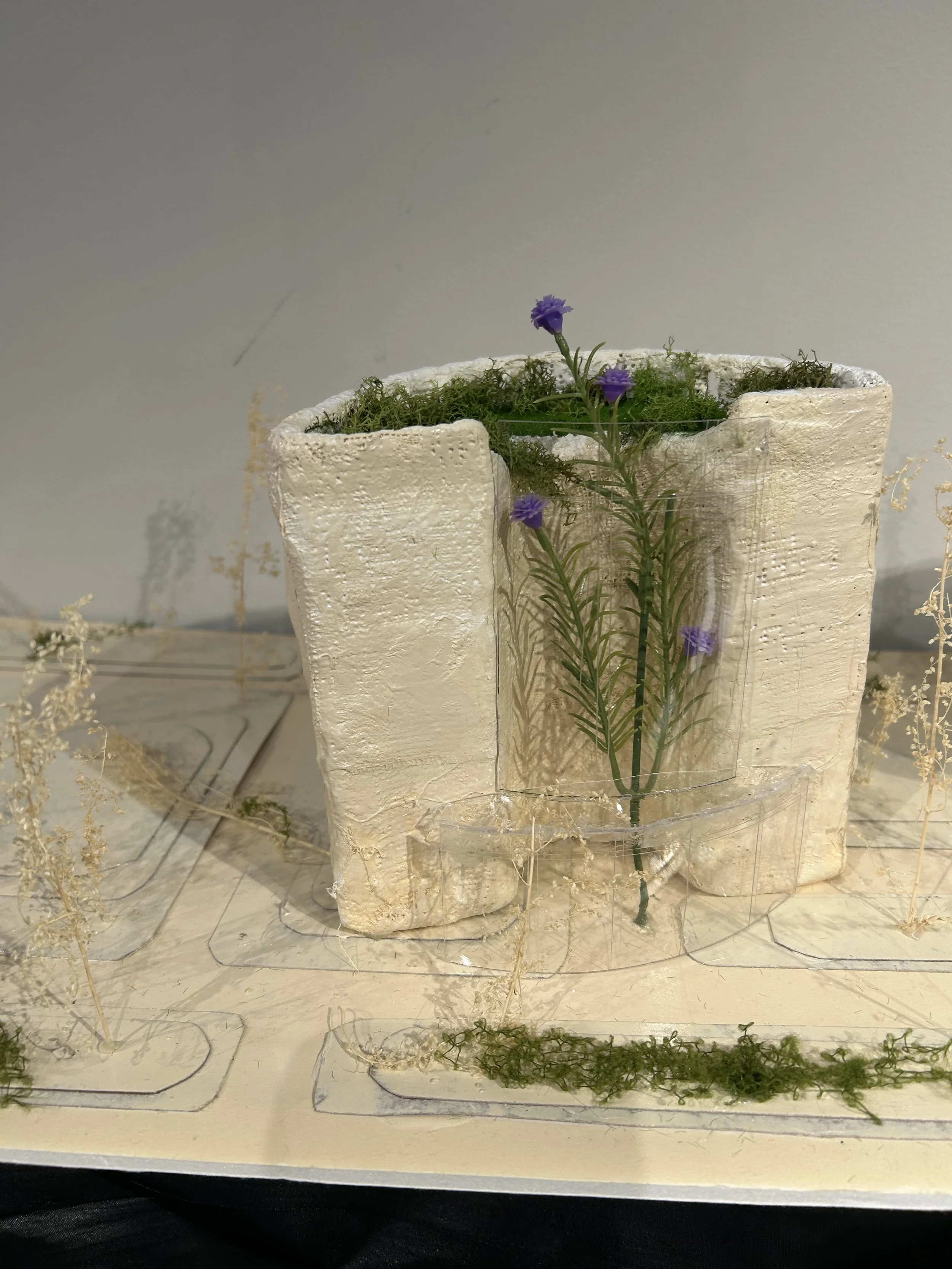
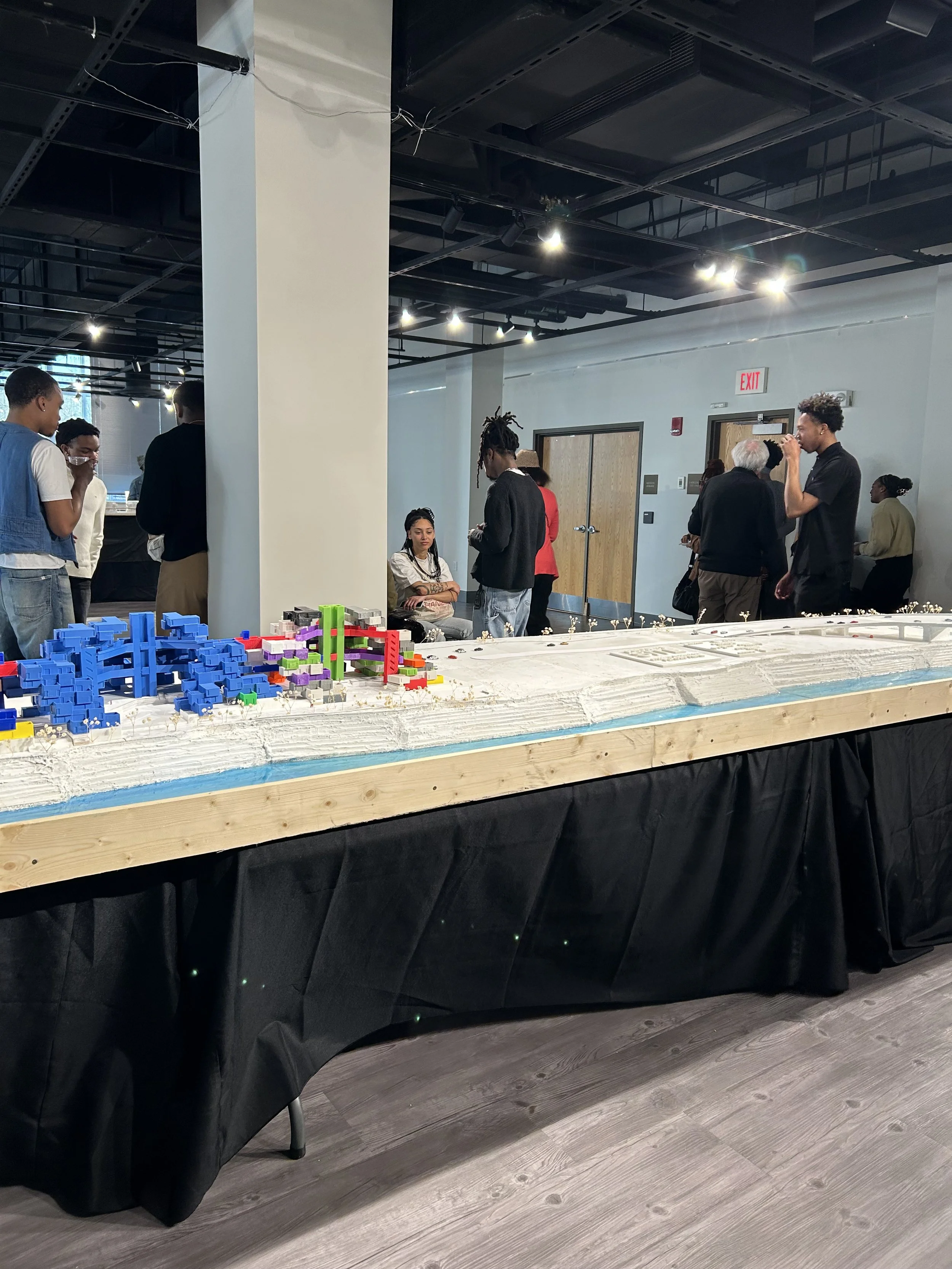
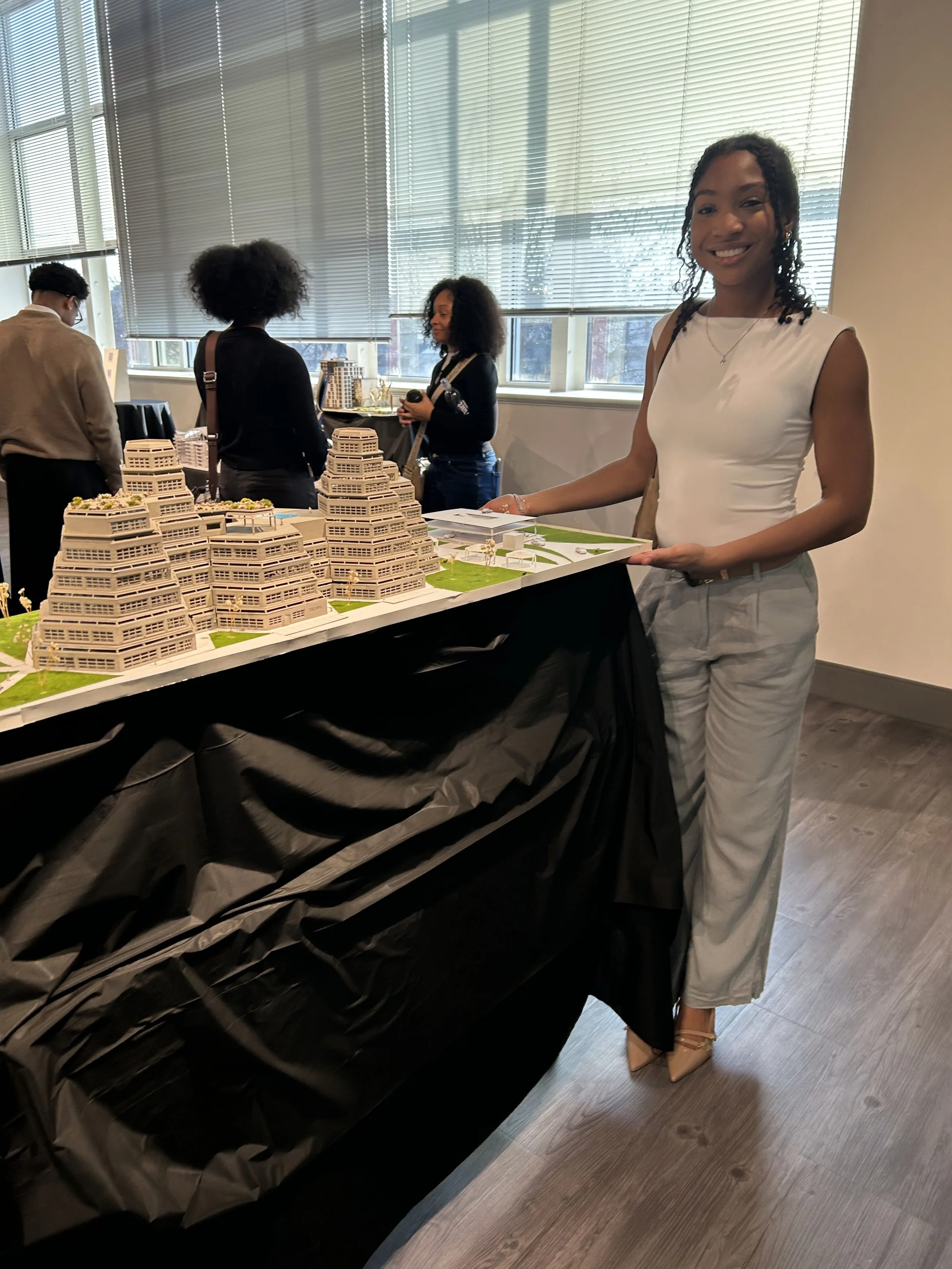
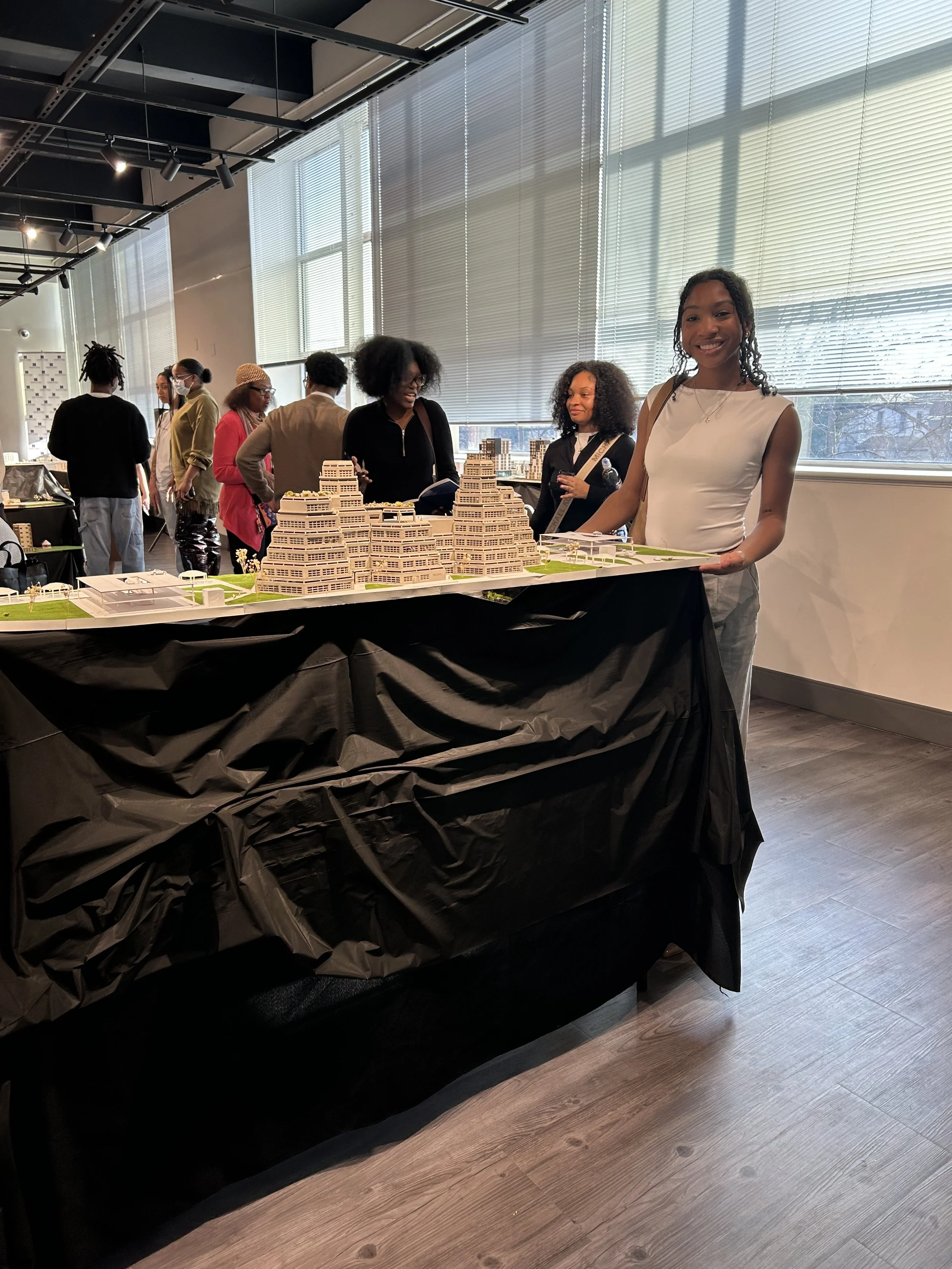
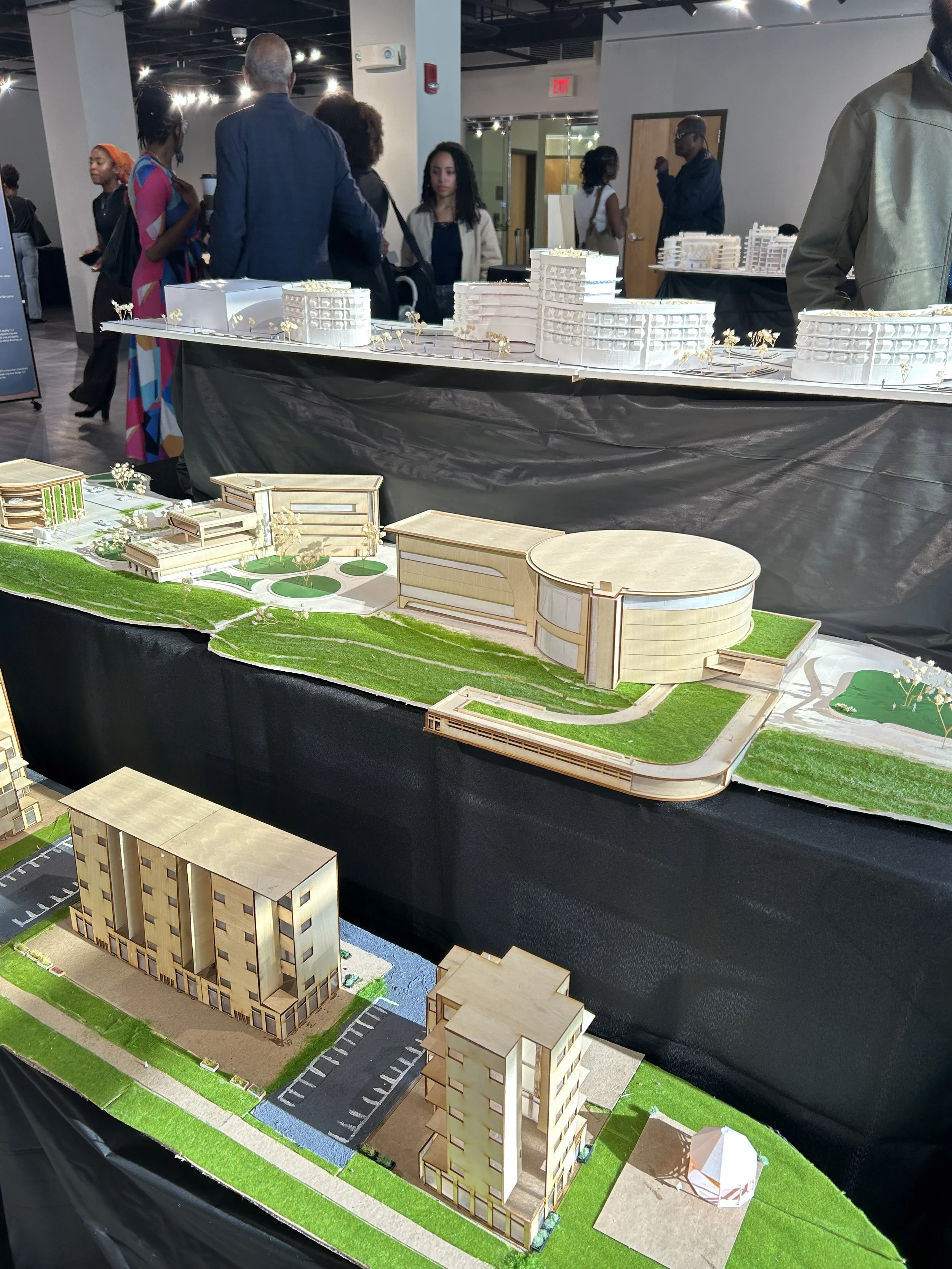
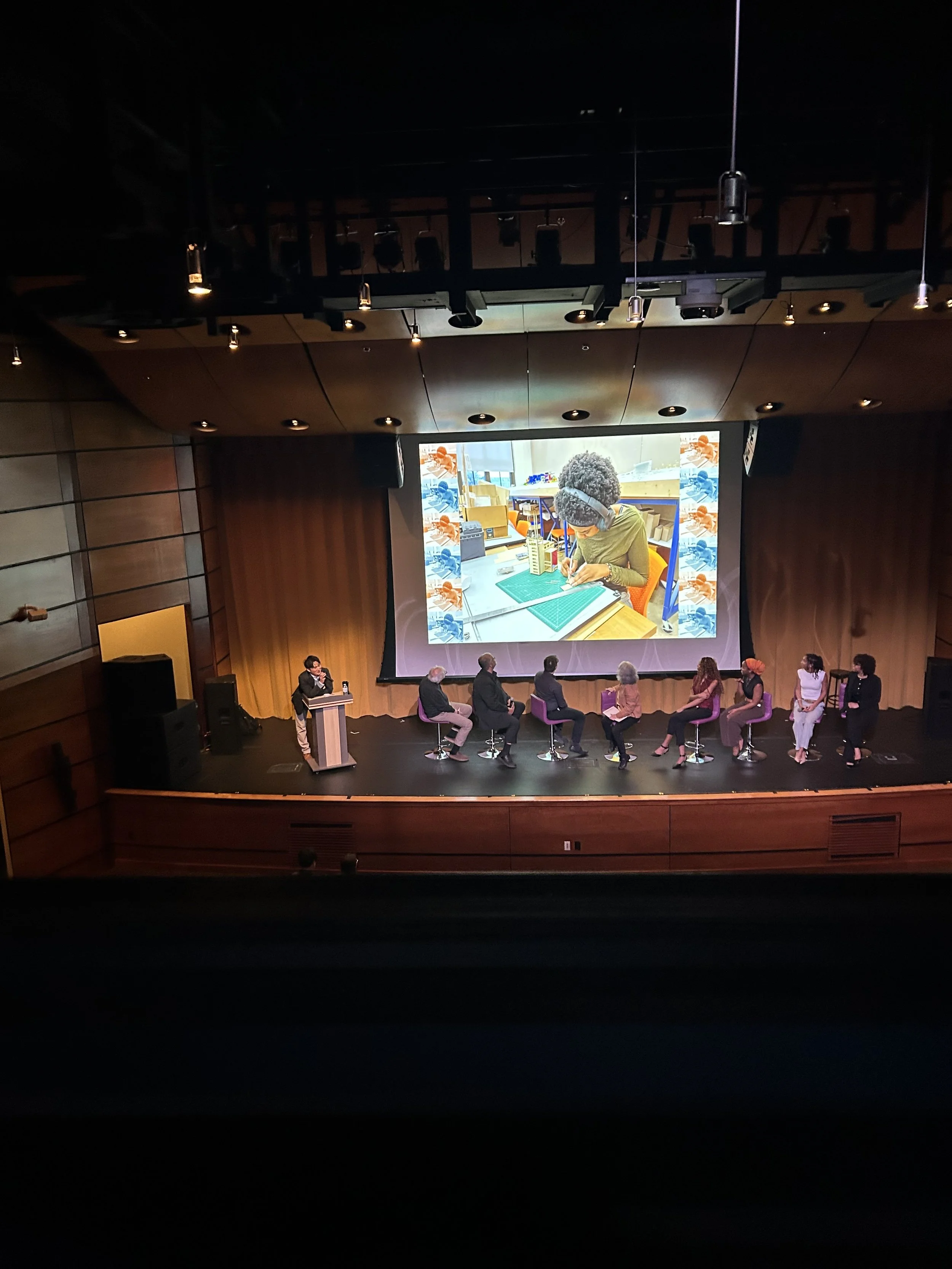
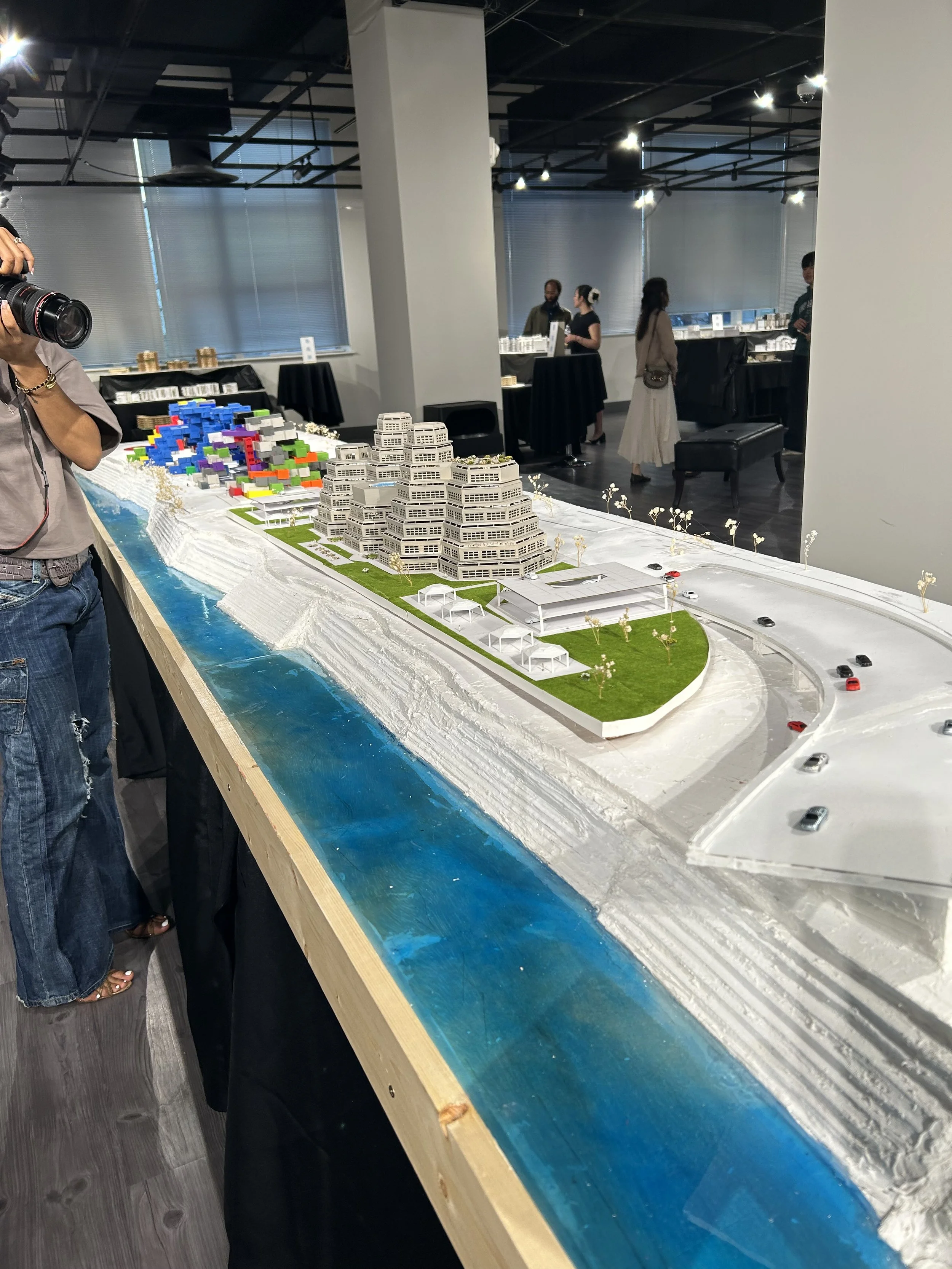
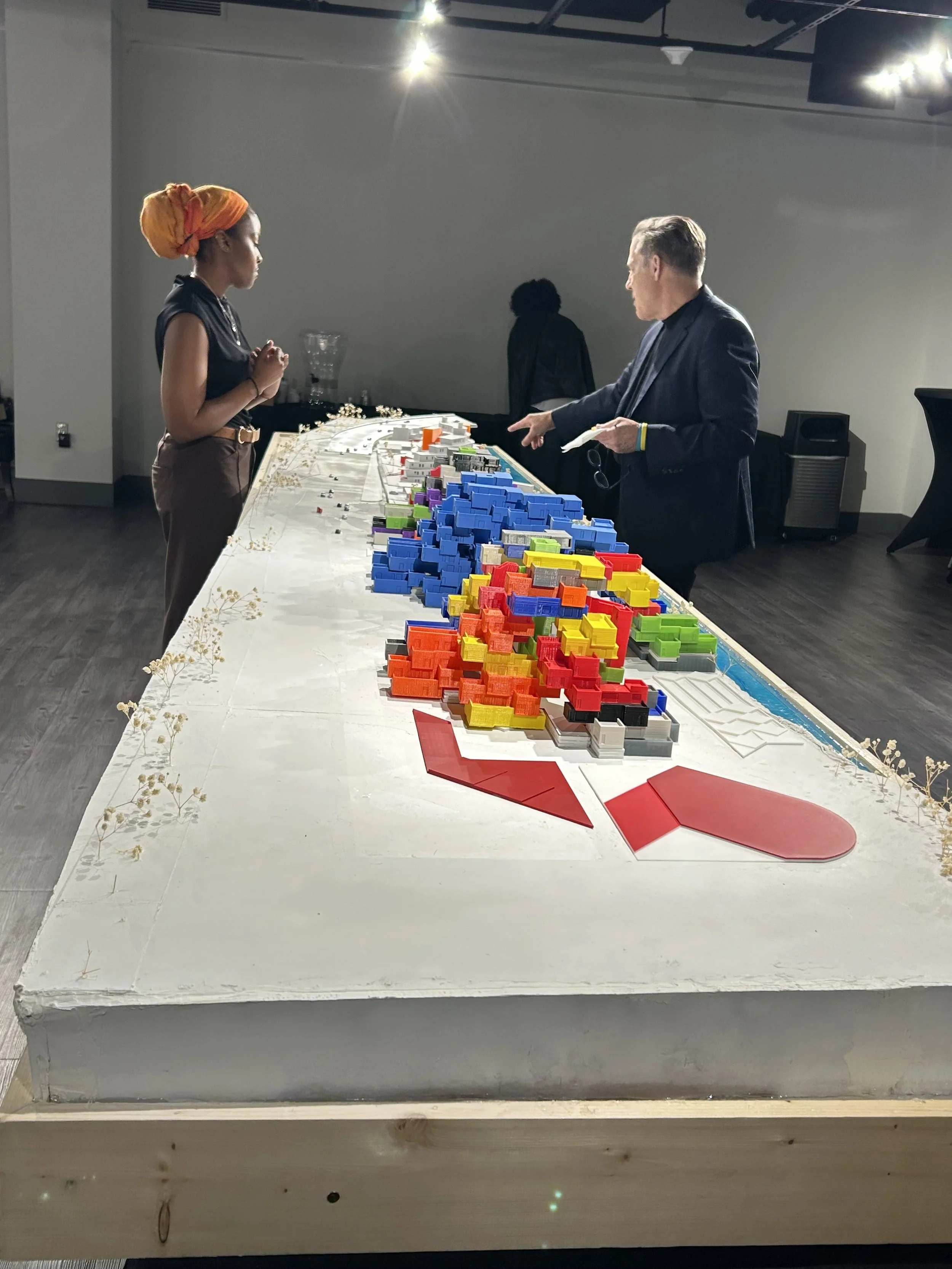
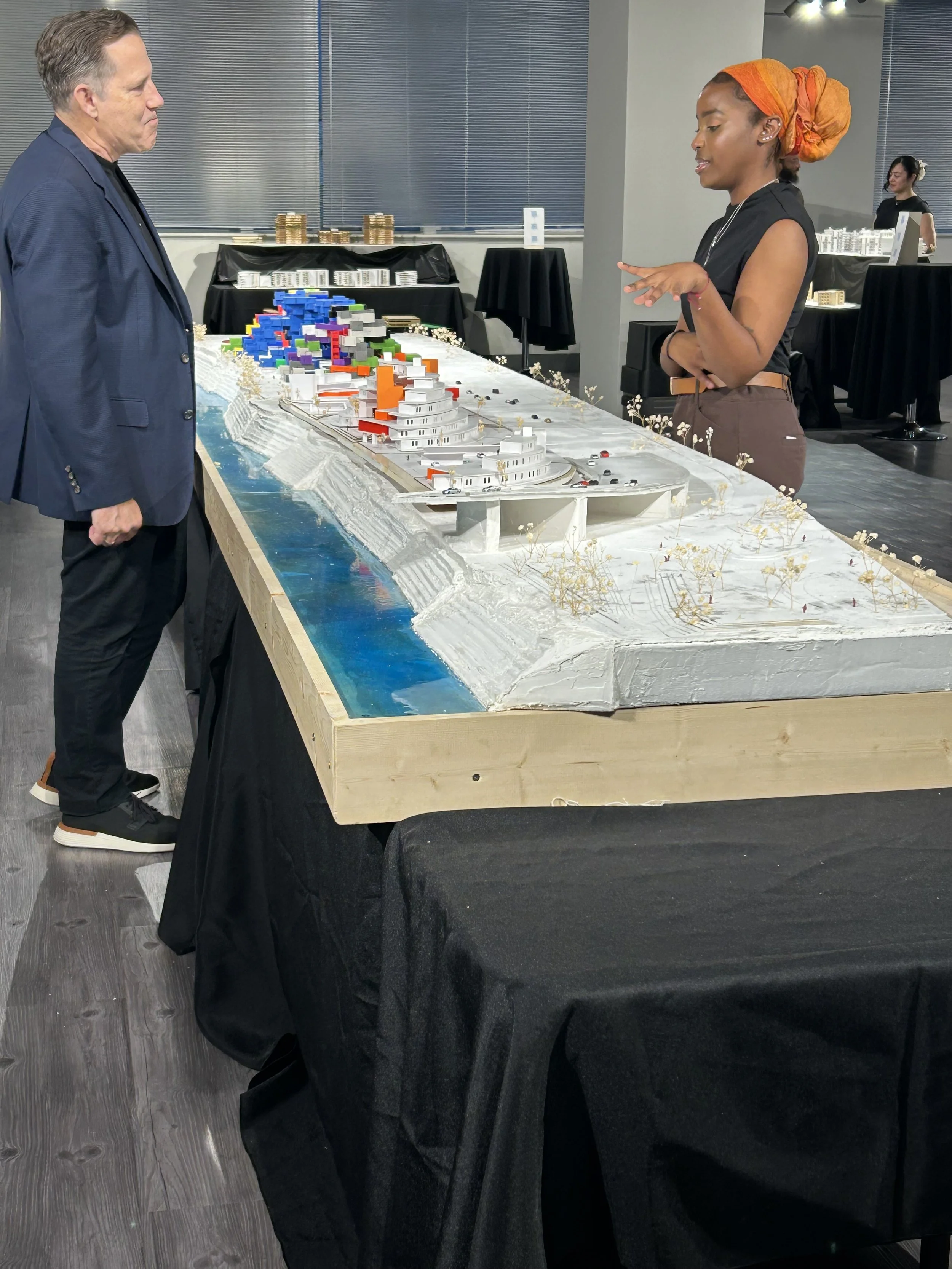
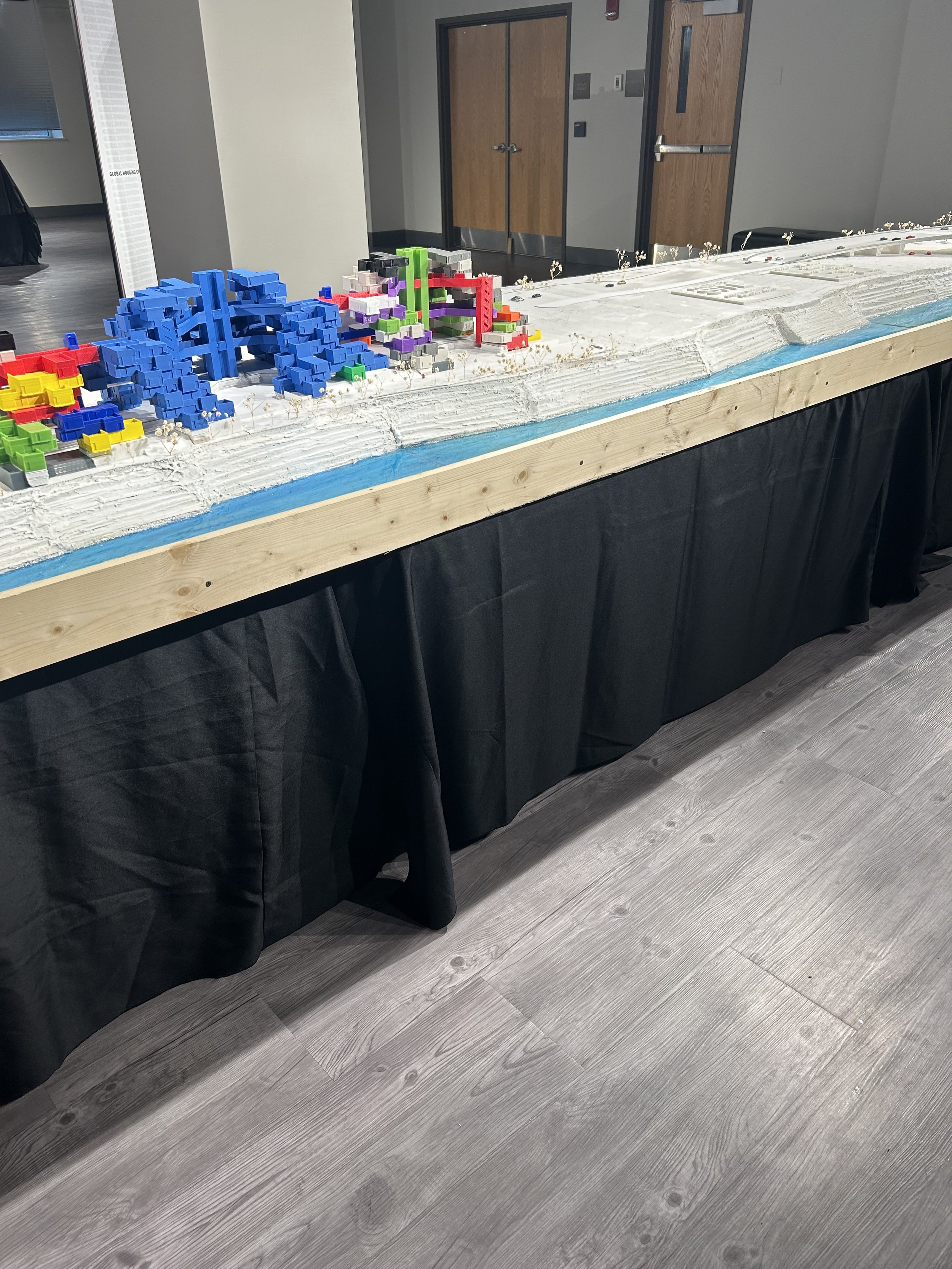
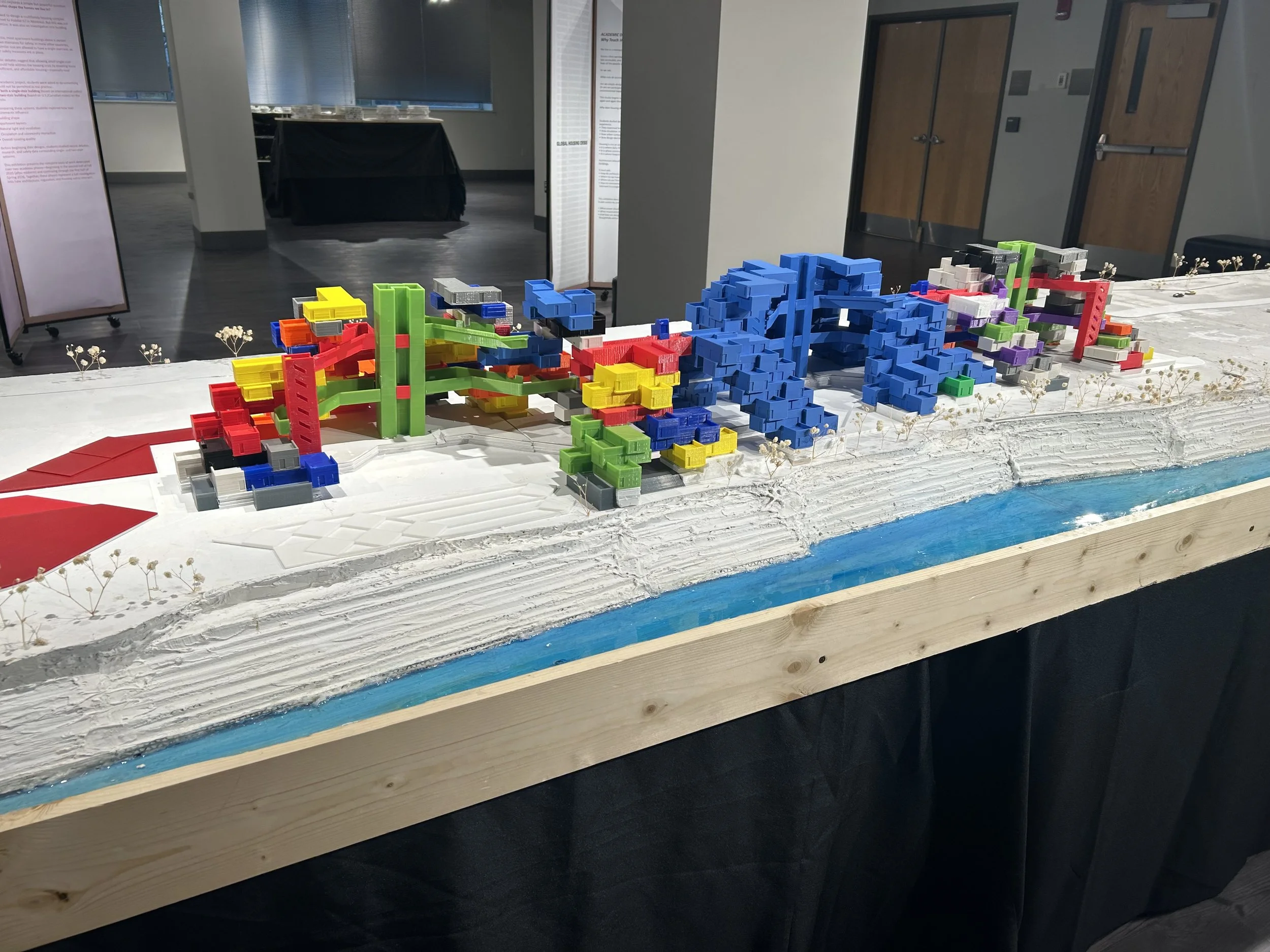
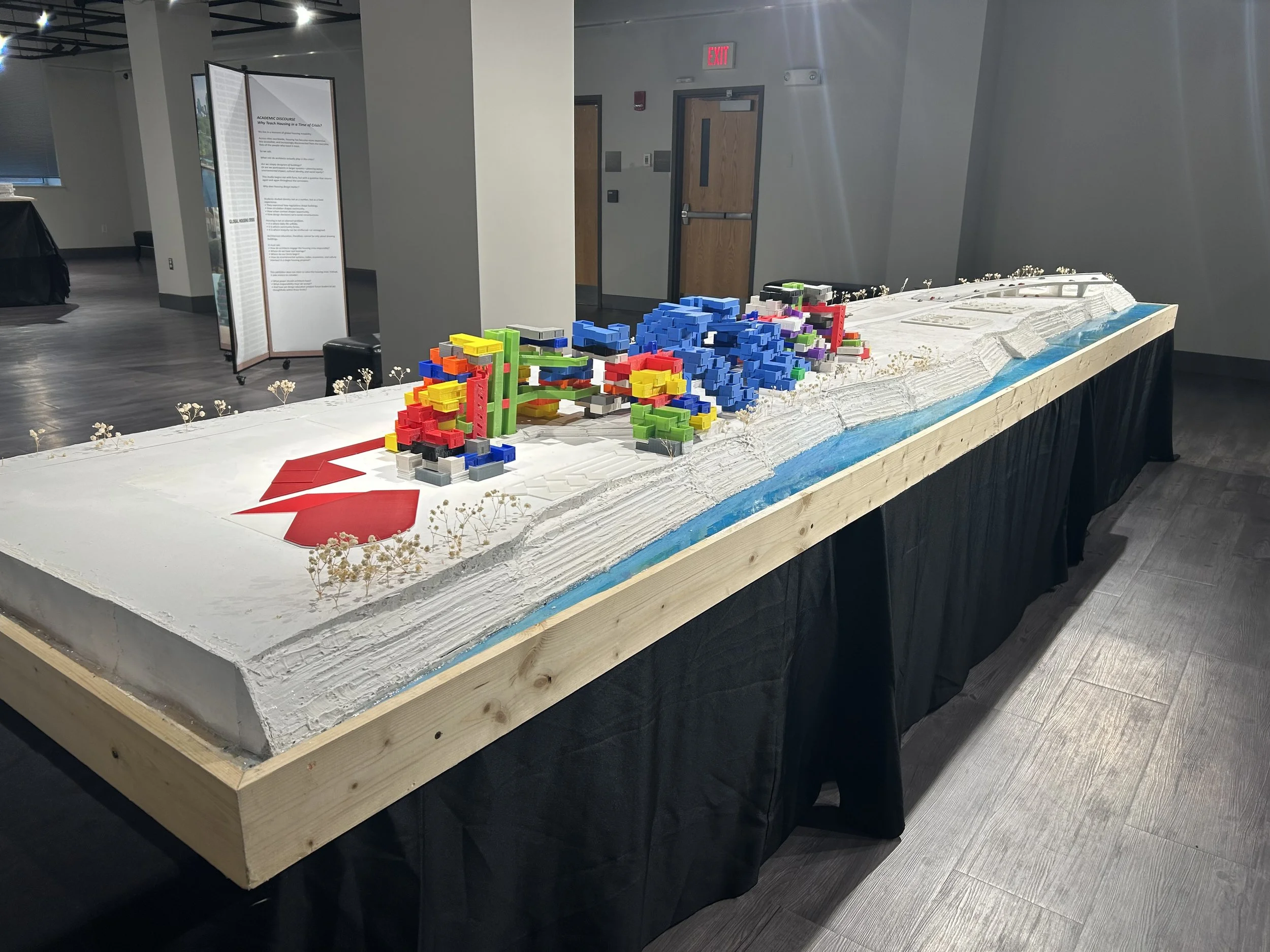
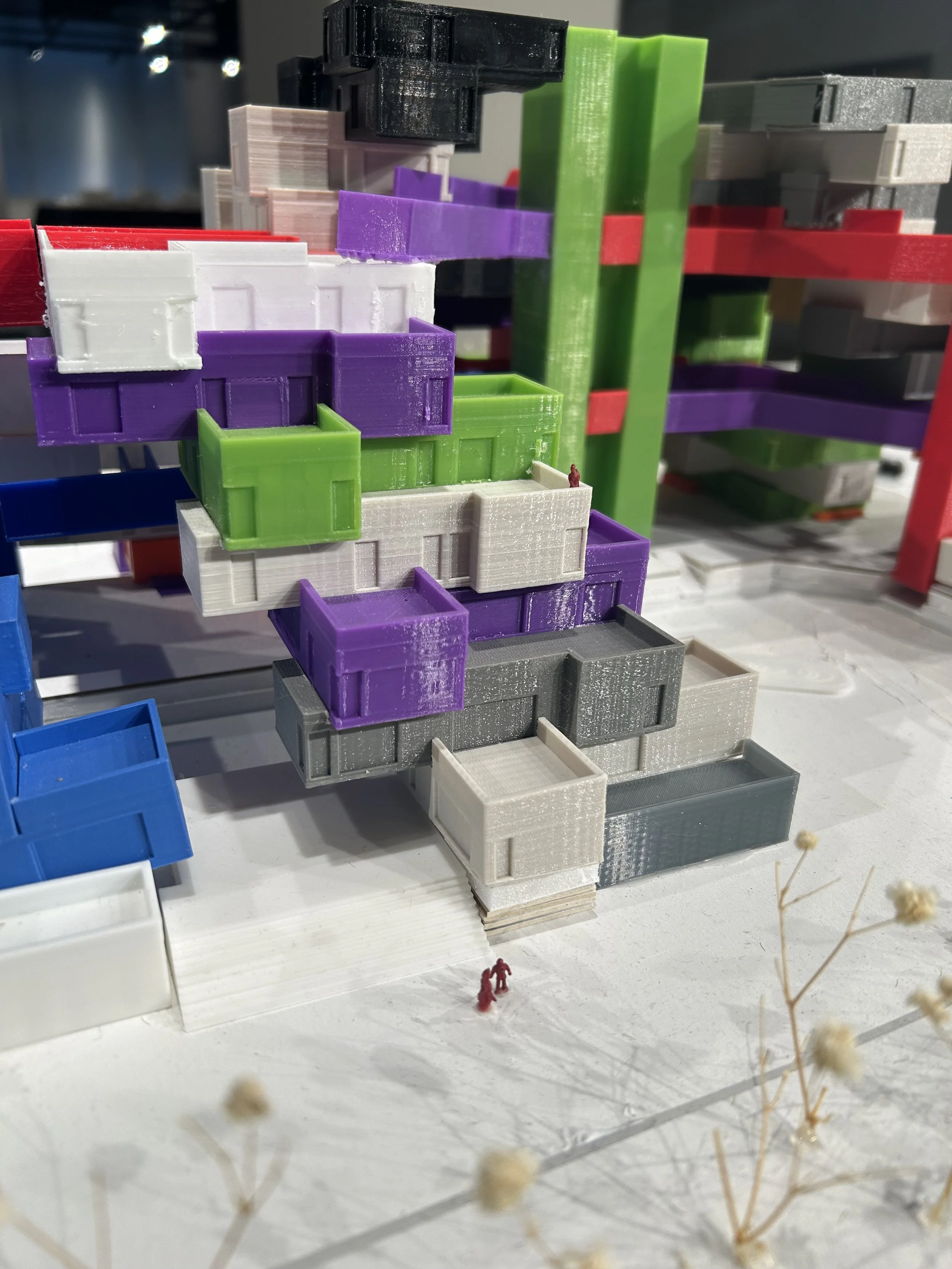
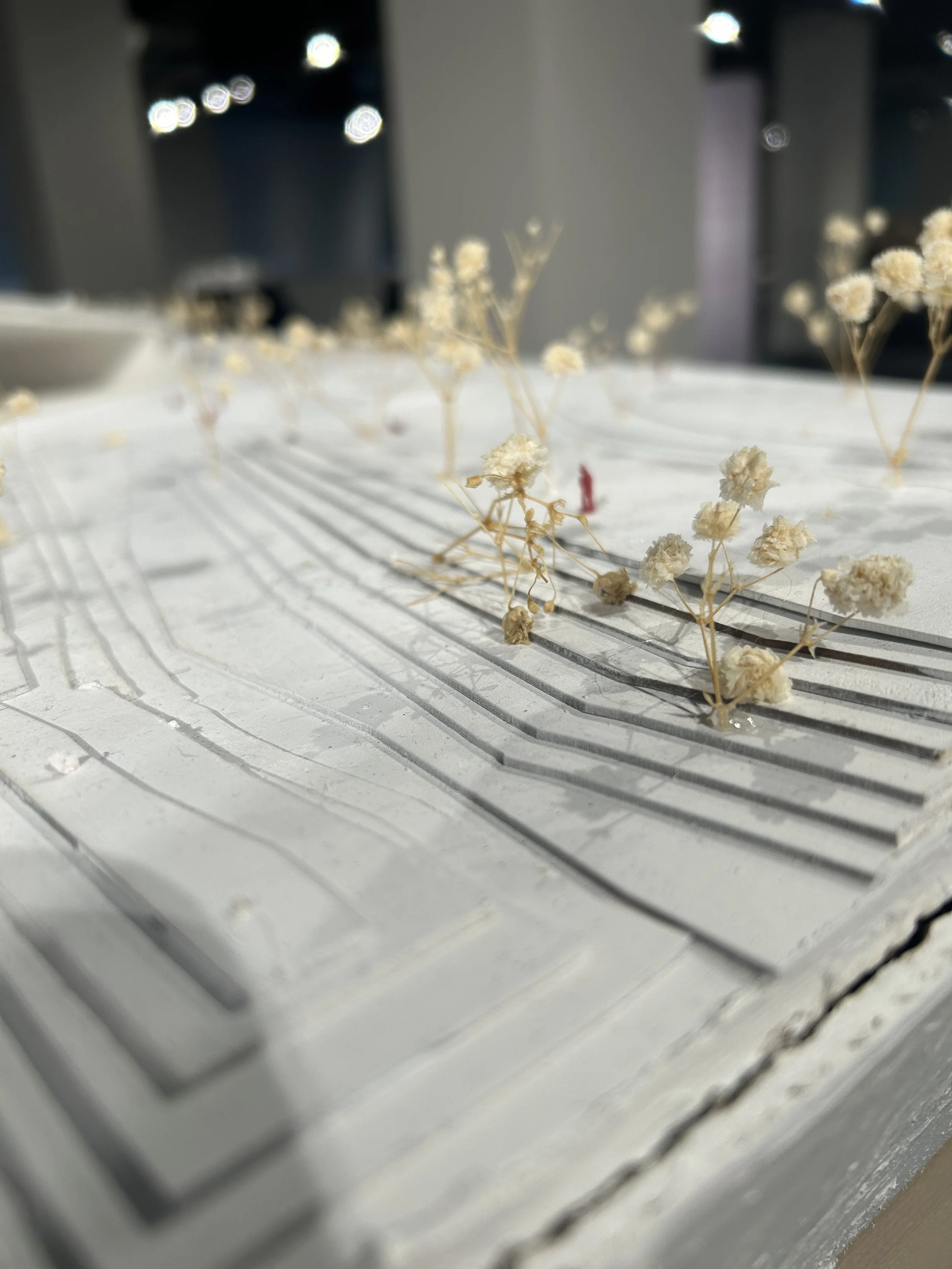
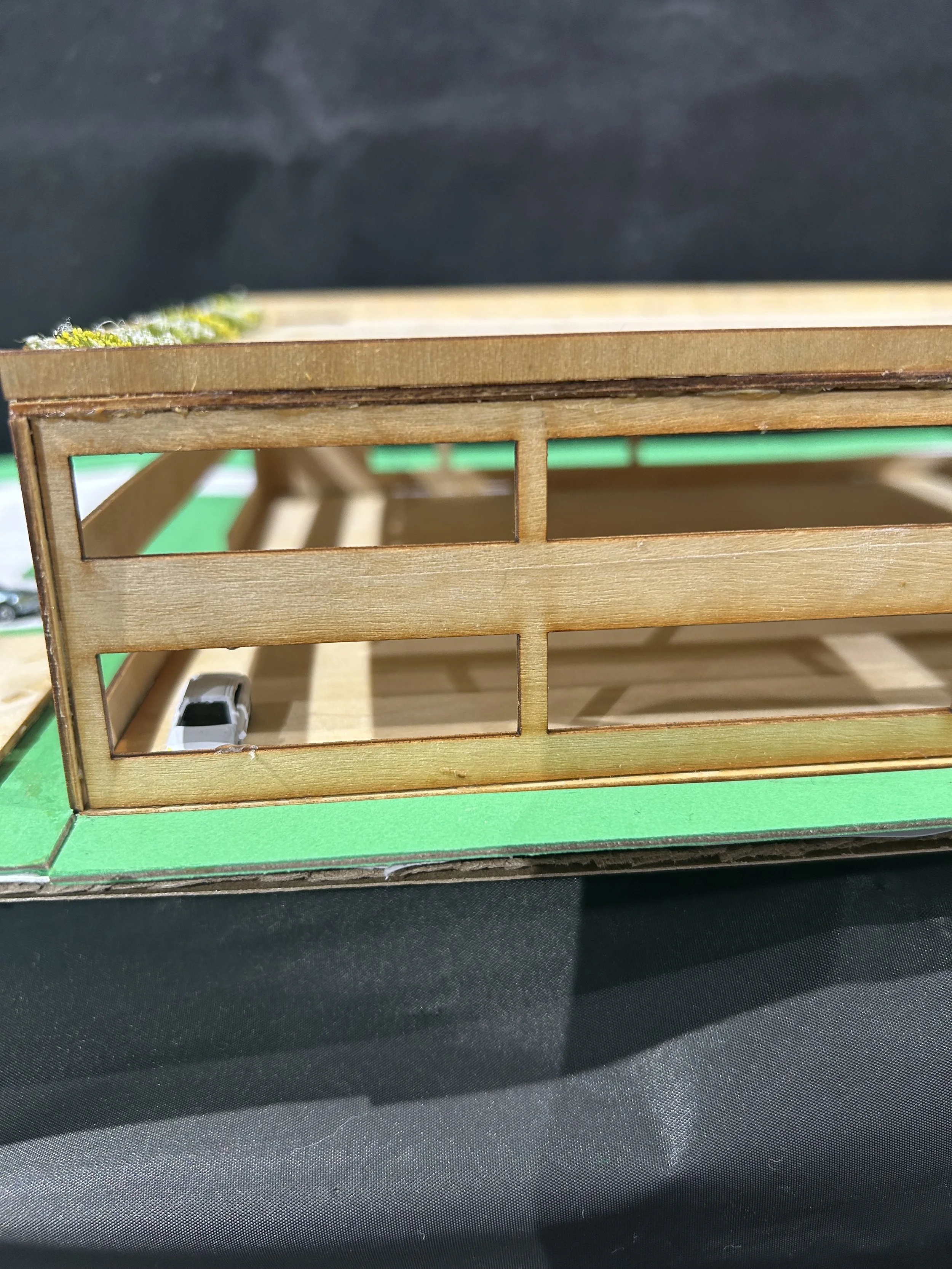
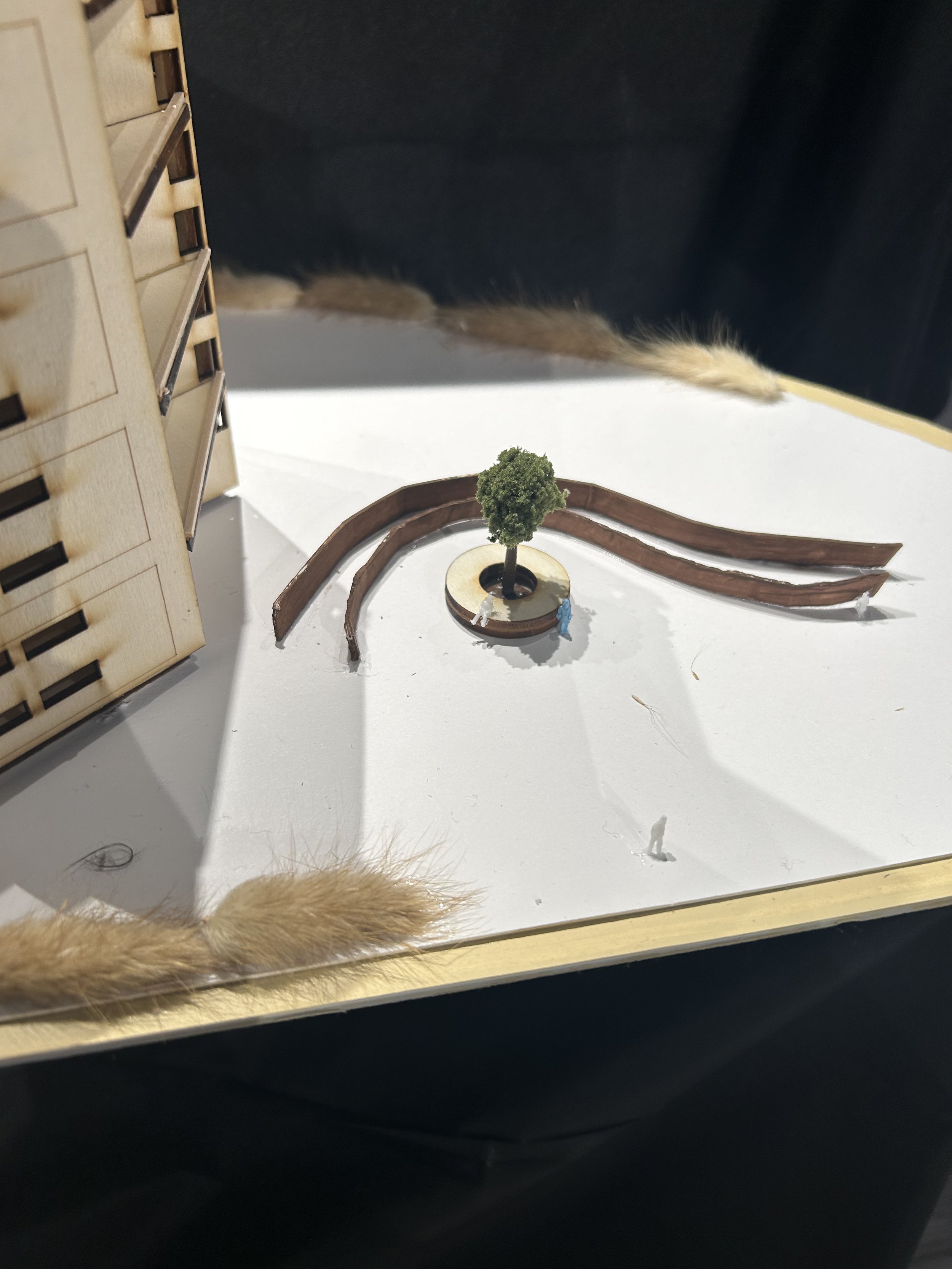
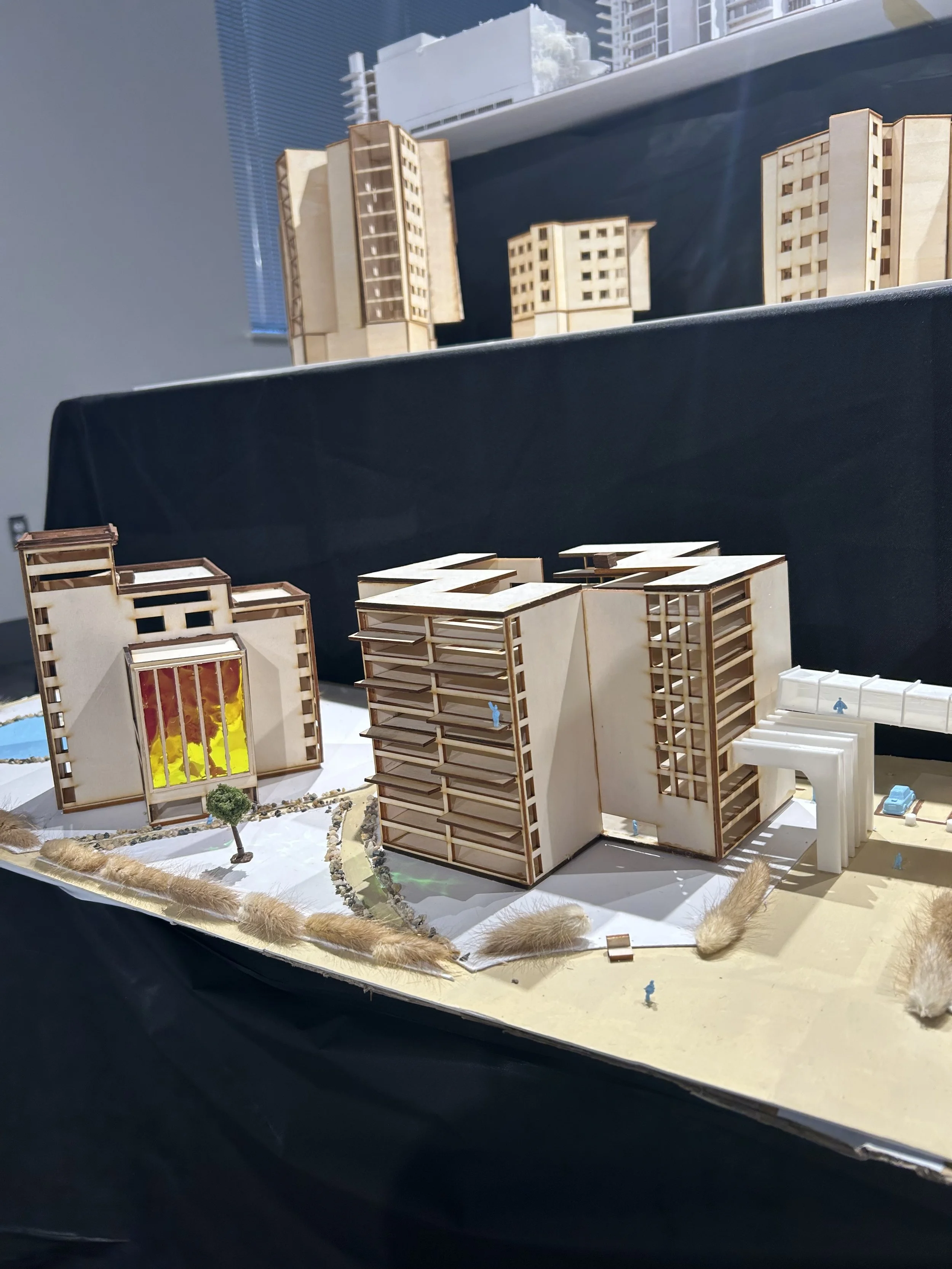
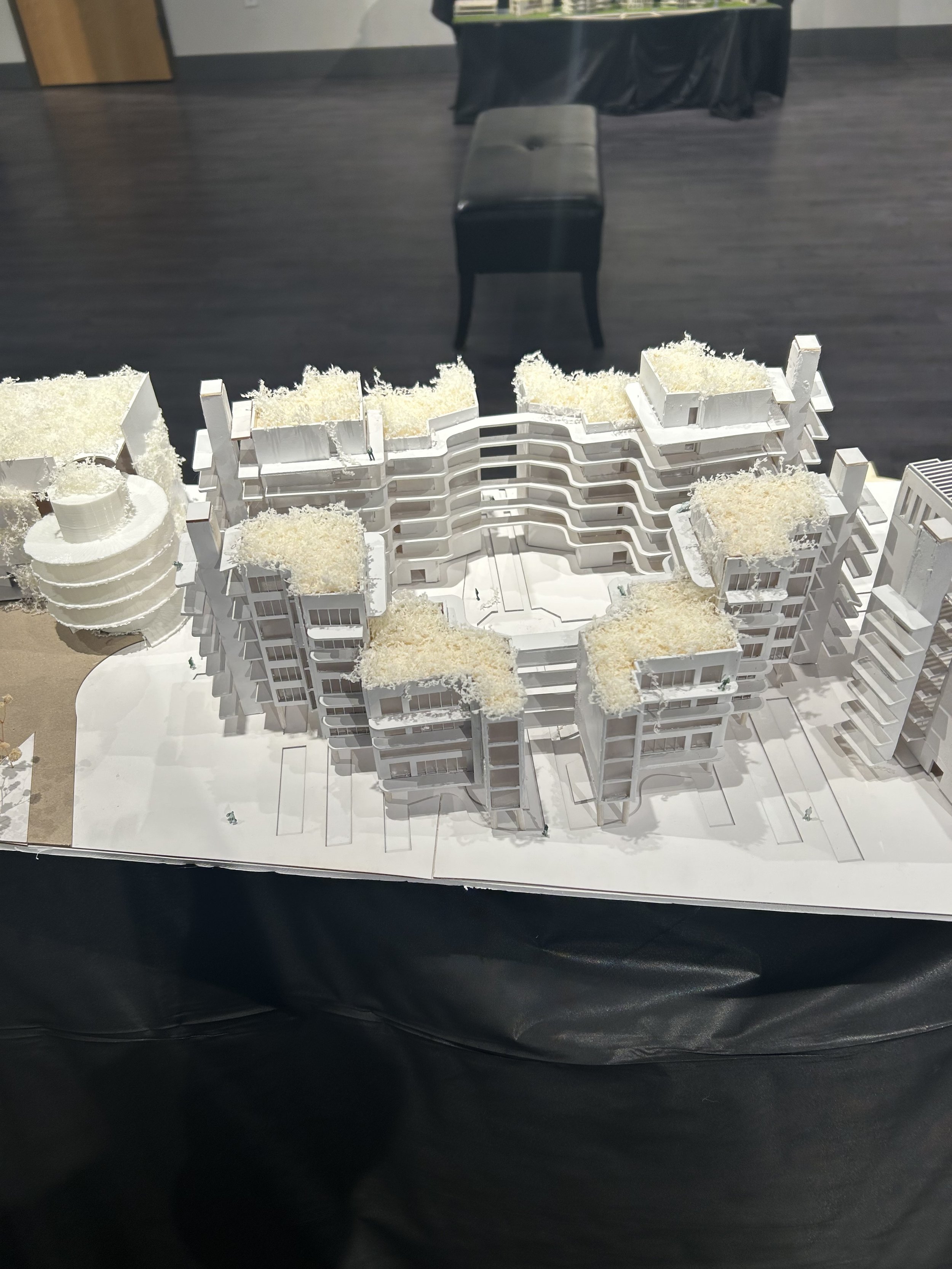
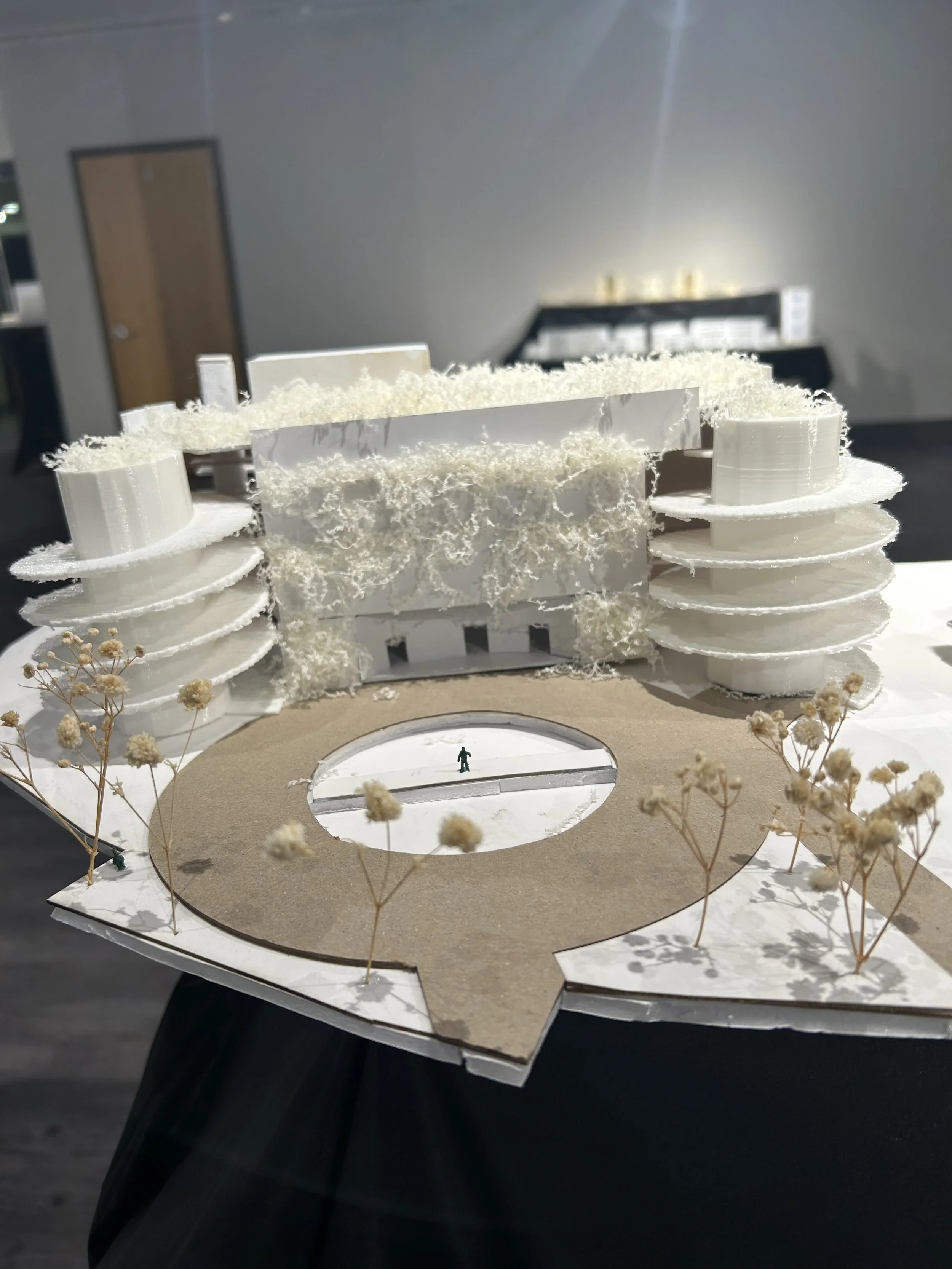
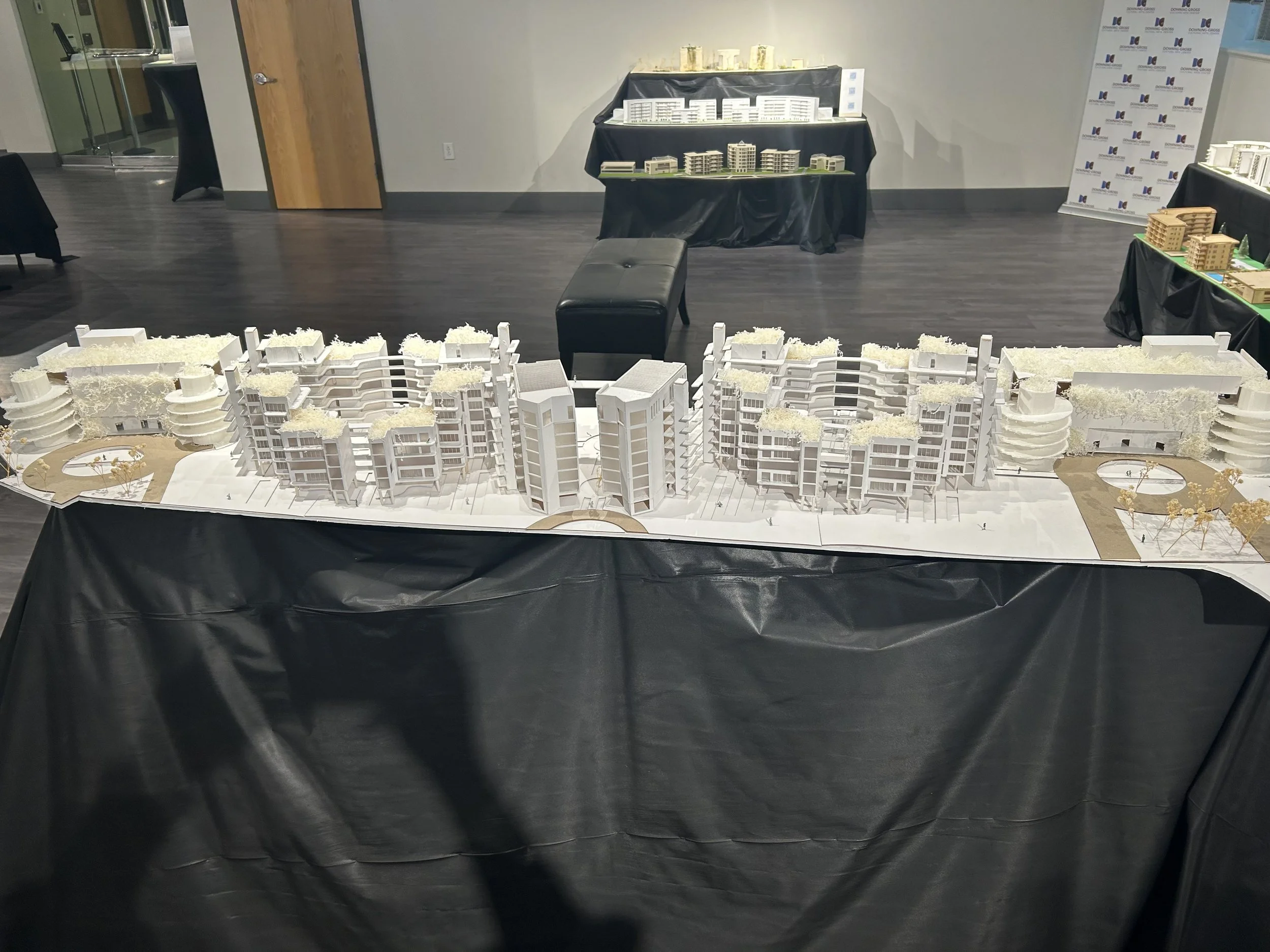
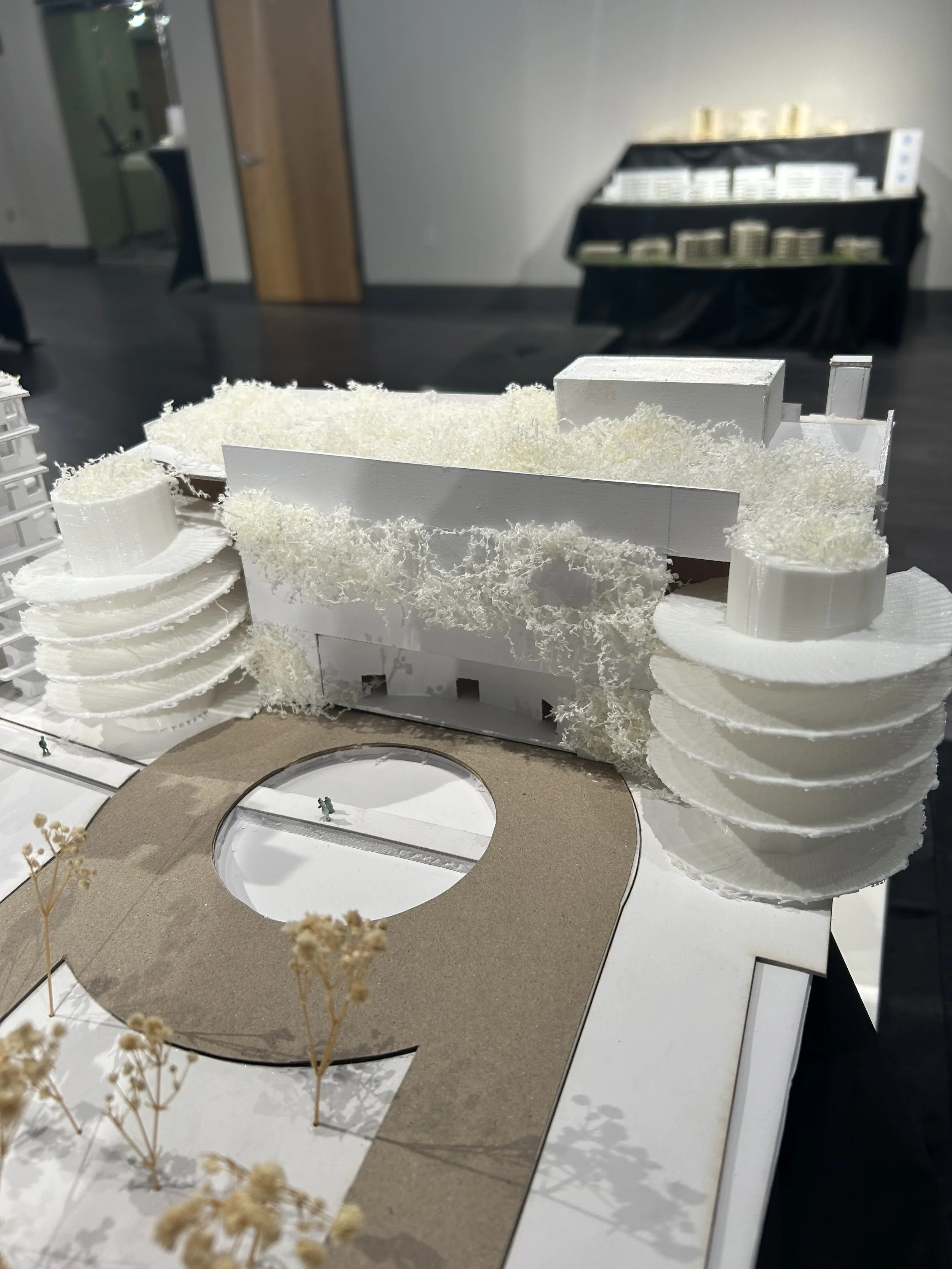
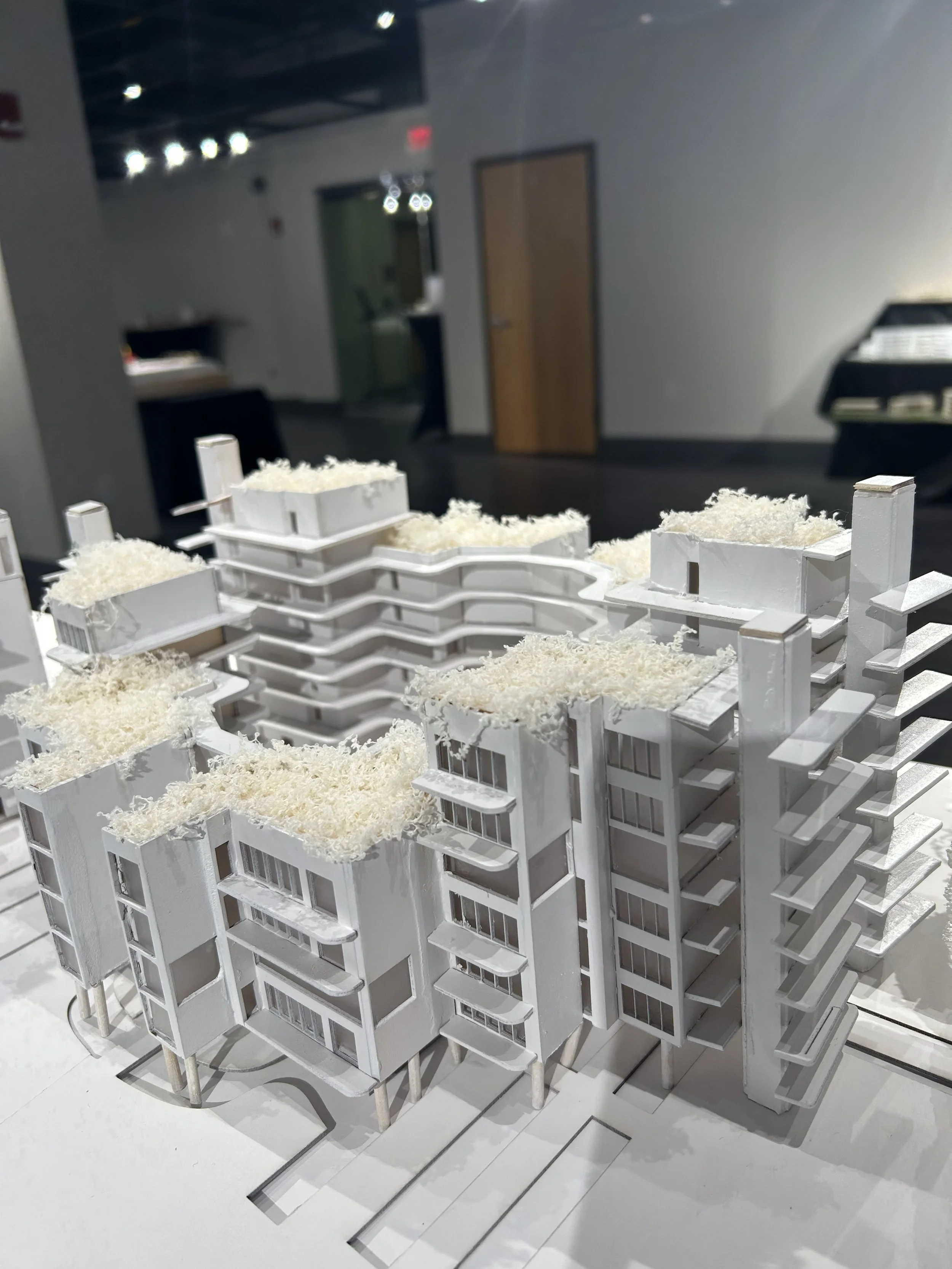
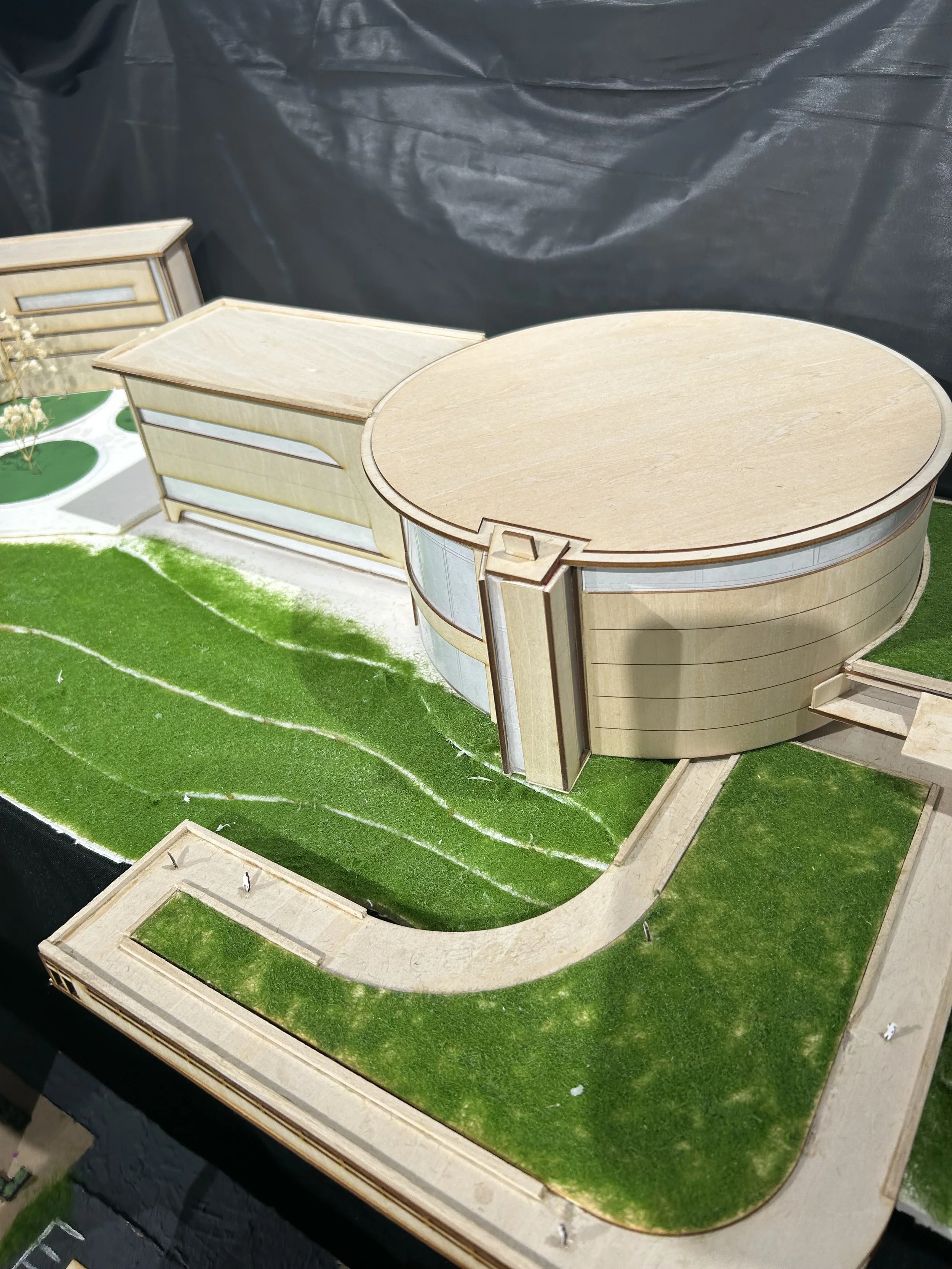
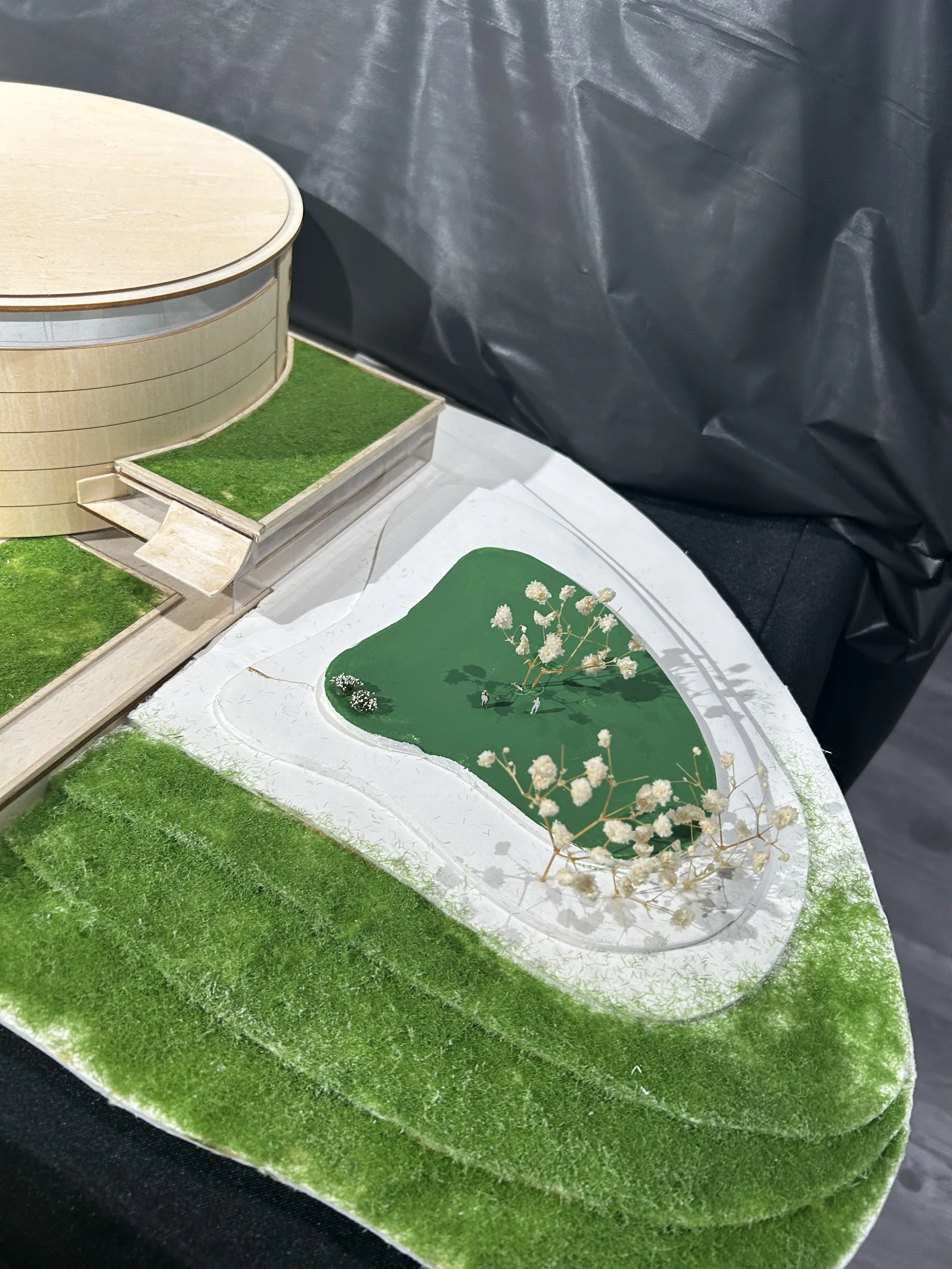
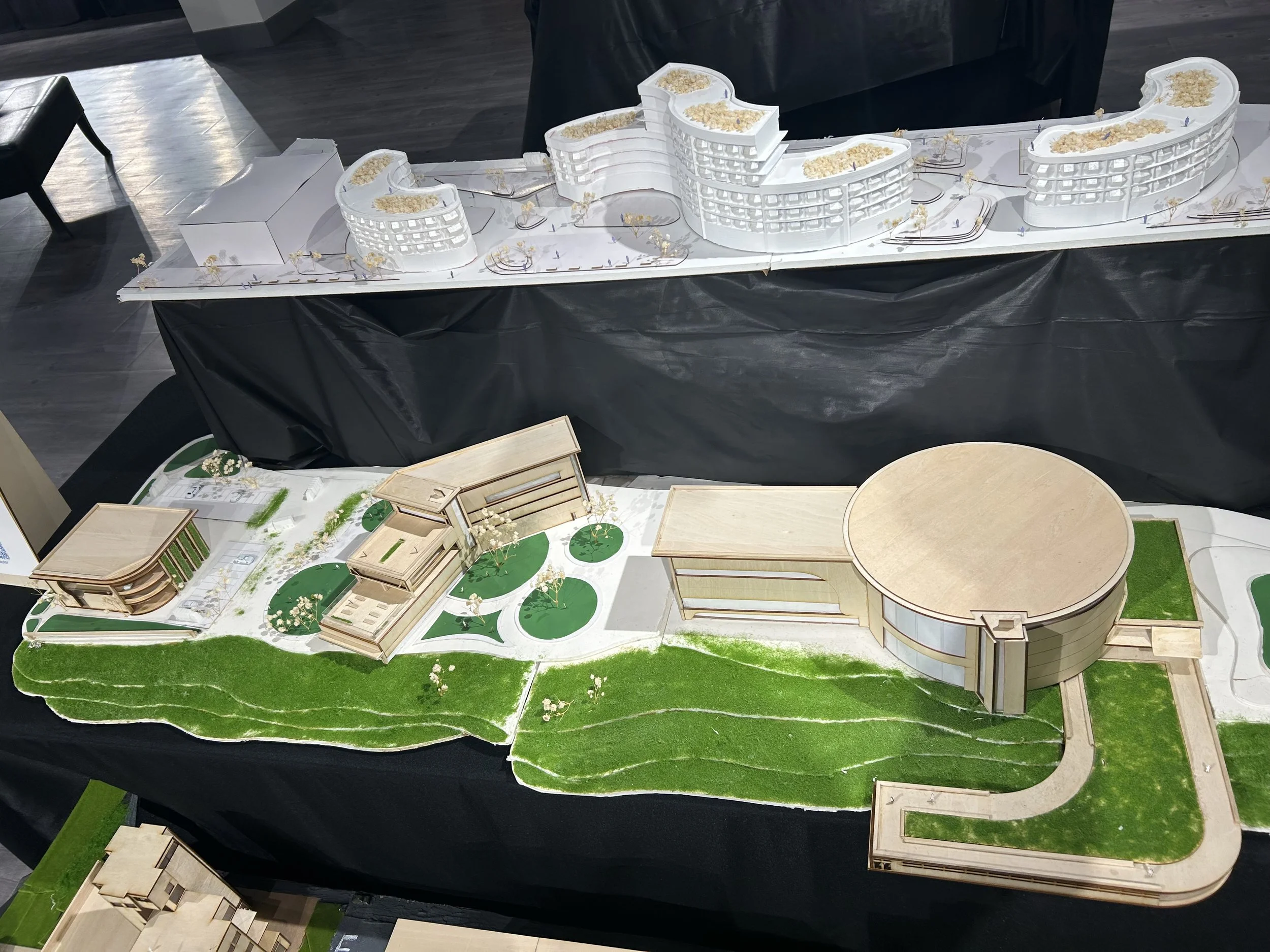
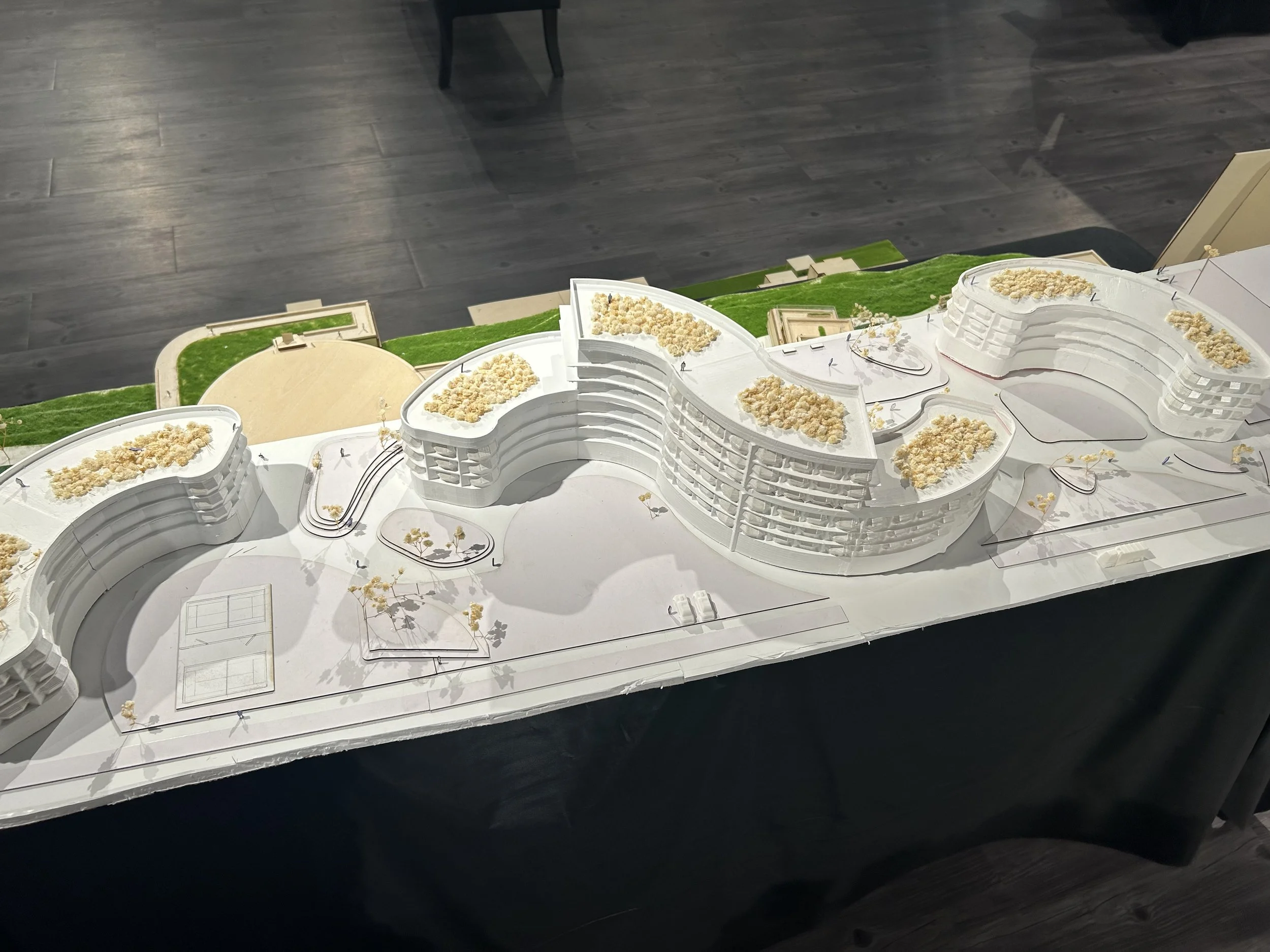
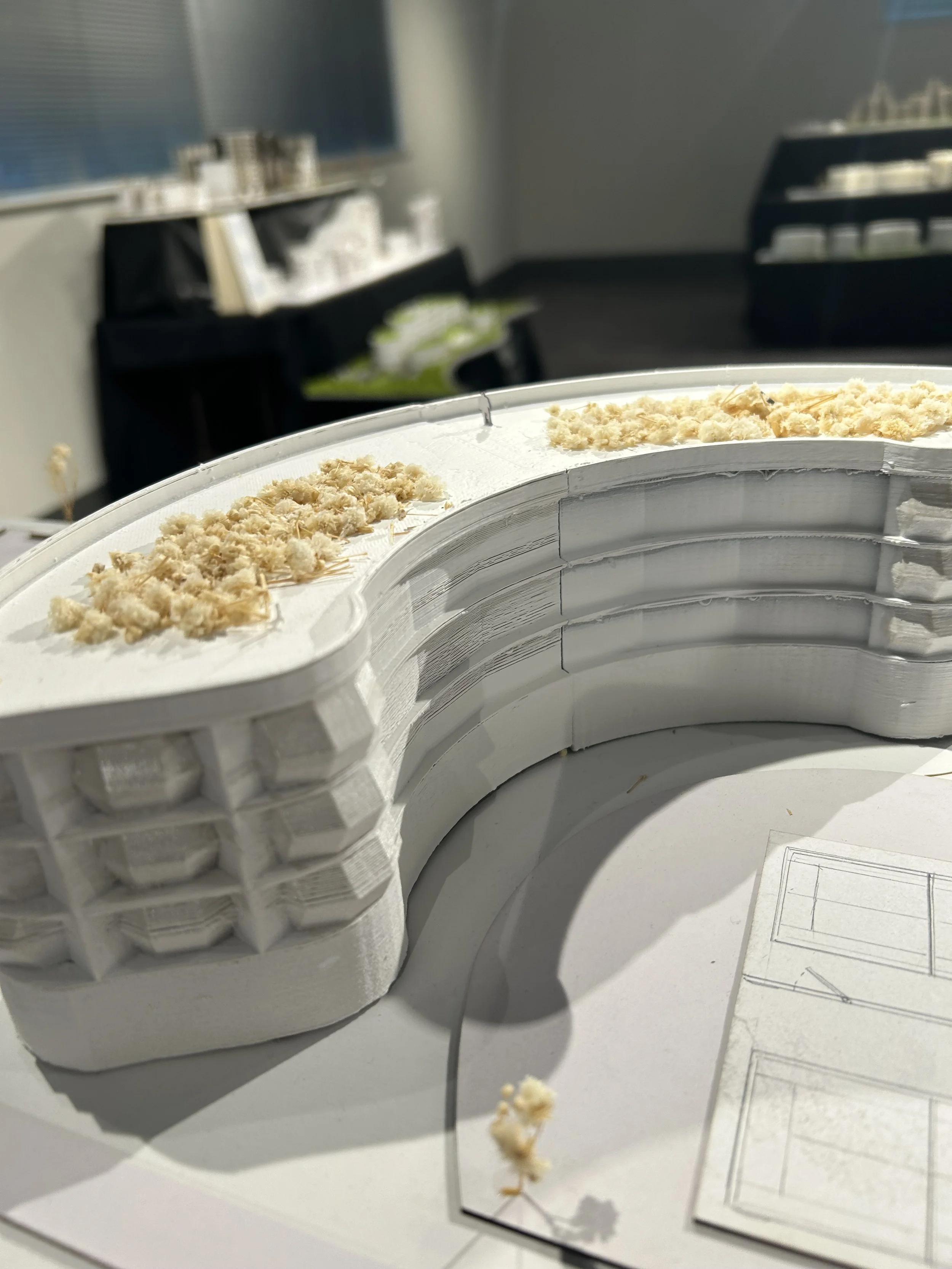
Composed of interlocking prefabricated 2 concrete modules, Habitat 67 pioneered new ideas of high-density urban living that combined the benefits of suburban privacy with the efficiencies of collective housing—an innovation that remains both architecturally significant and a highly desirable place to live today. Building upon this study, the student projects imagine an expansion adjacent to Habitat 67, proposing contemporary interpretations of its ideals through diverse spatial, structural, and environmental strategies. Central to the exhibition is a large-scale site model, which situates the students’ building models within the shared urban context. The site model itself represents a collaborative effort, produced through extensive 3D printing, laser cutting, and meticulous manual craftsmanship—all led by the students. Through this exhibition, Hampton University seeks to showcase both the intellectual rigor and the making culture of its architecture program, while inviting broader conversations about housing, design innovation, and social responsibility in architectural education.