Follow Christopher Diont’e
Stay up-to-date with Christopher Diont’e!
Instagram: @christopher.dionte
Email: cdionte@usa.com
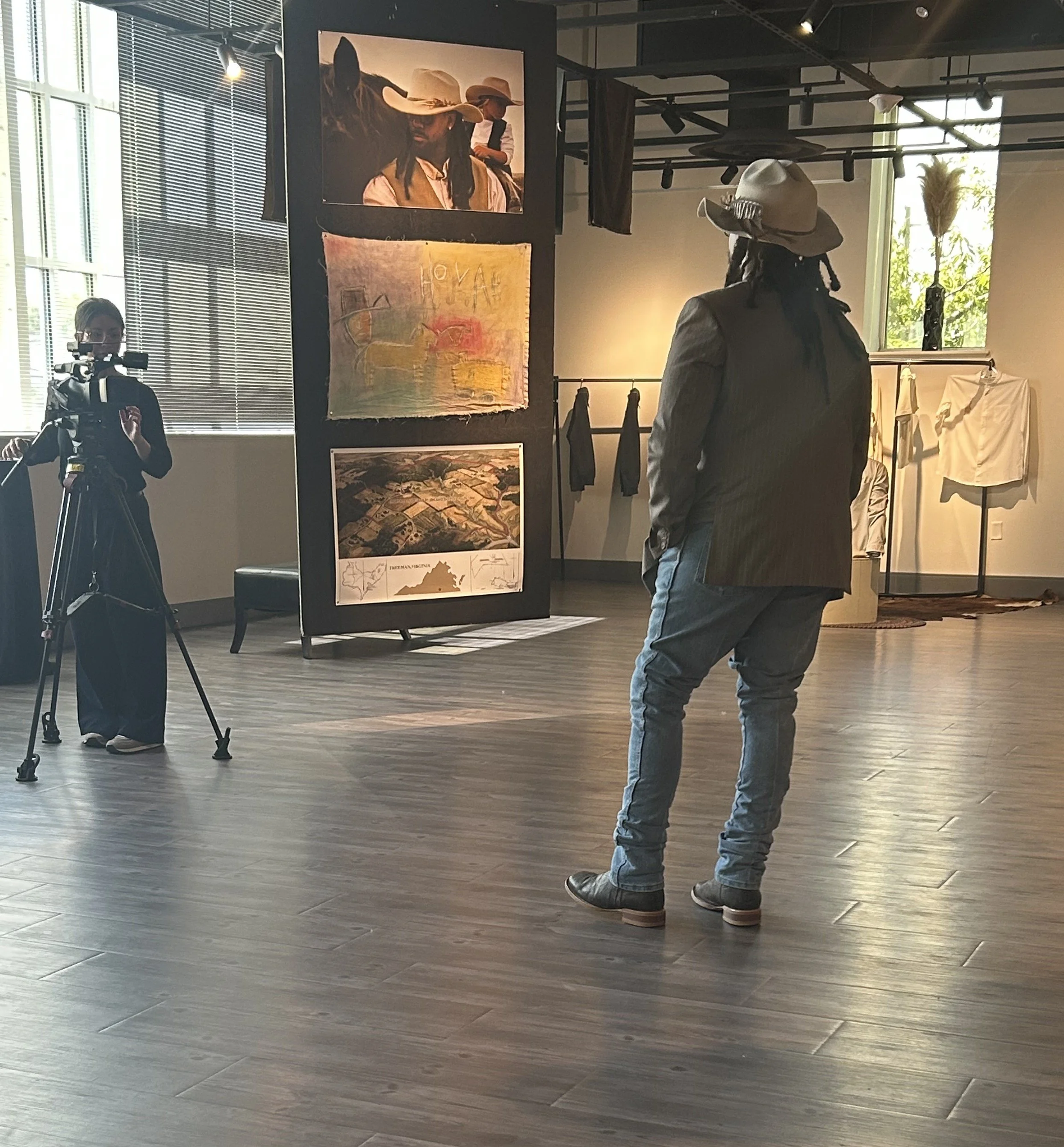
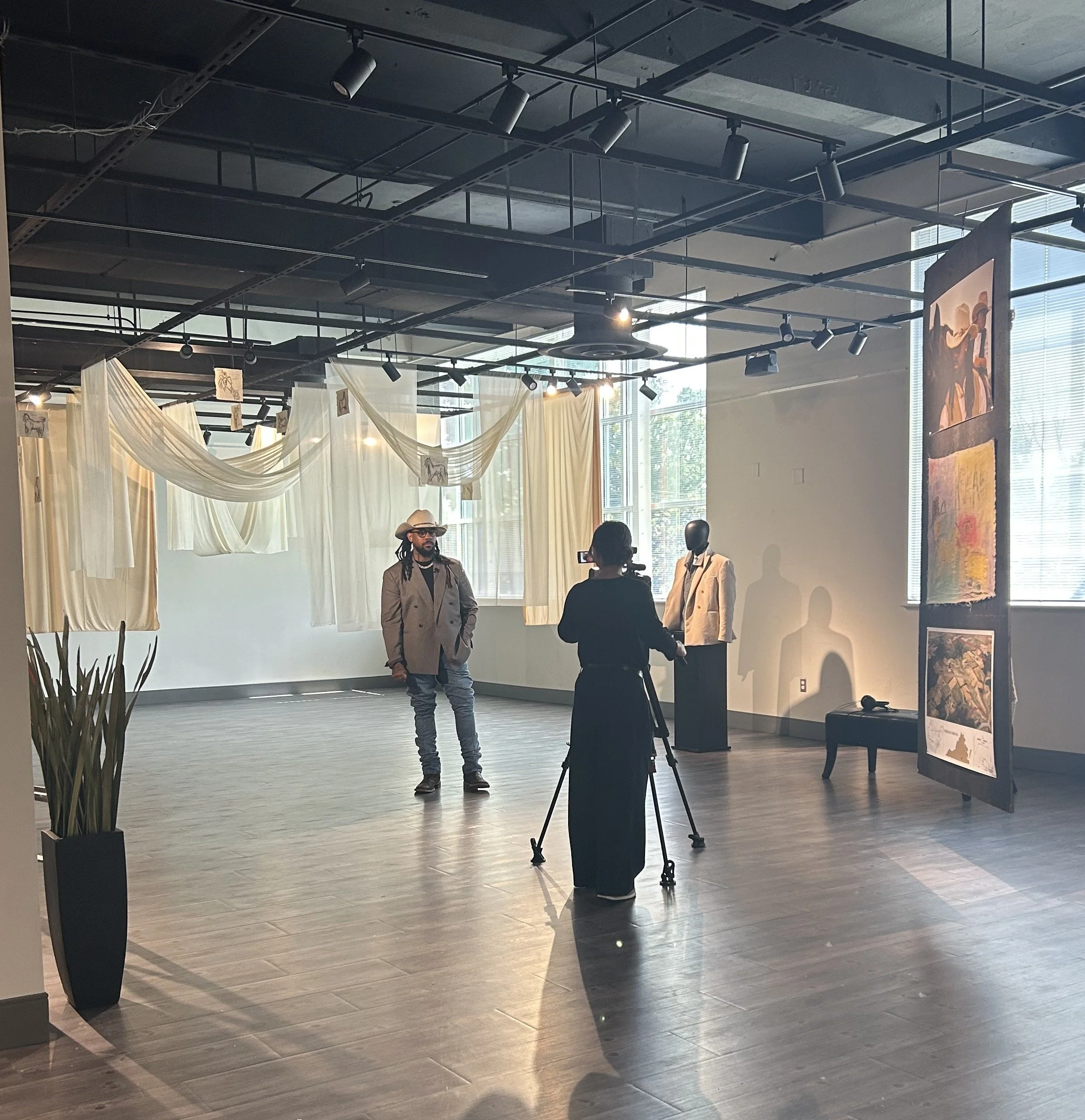
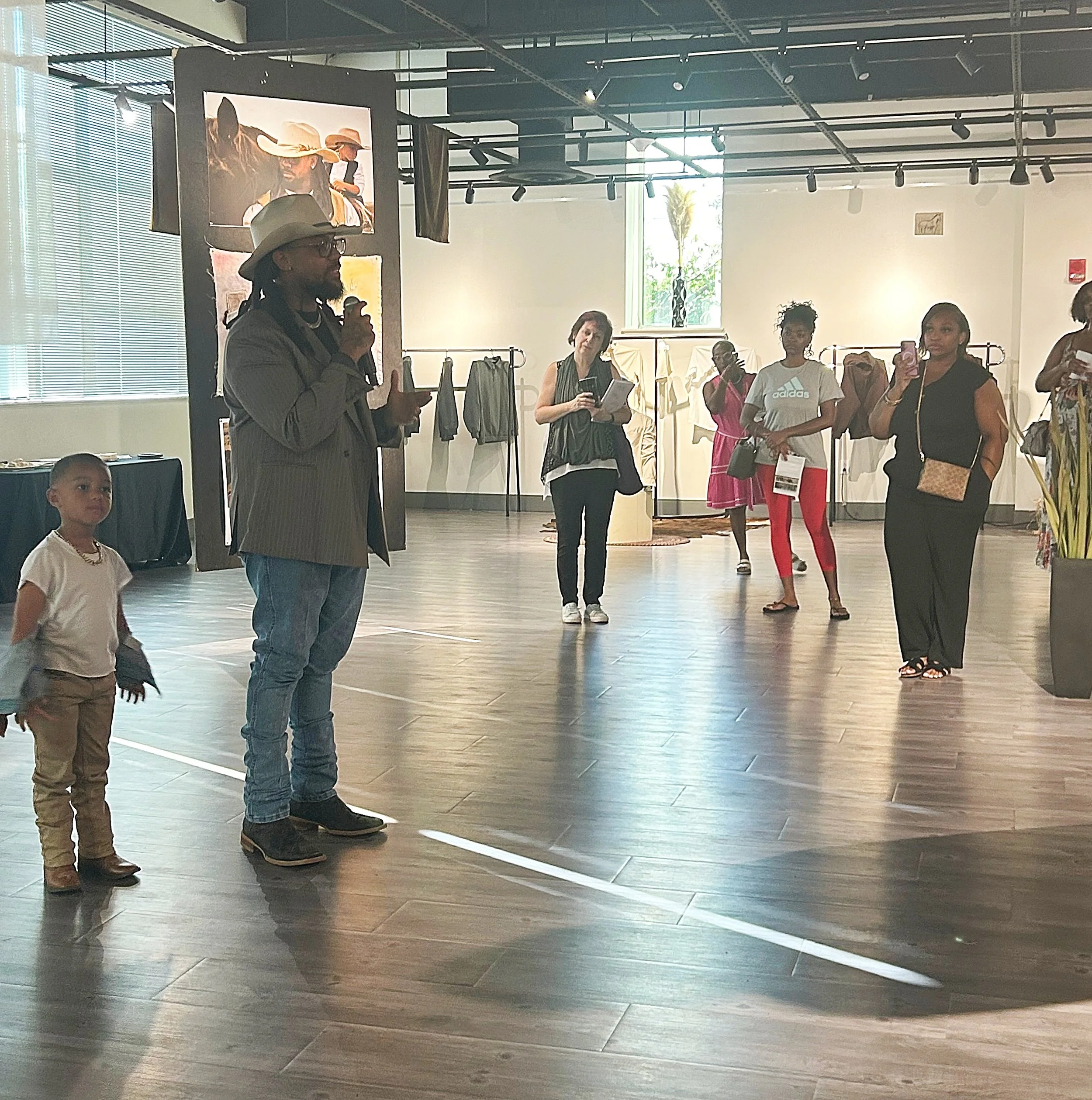
Christopher Diont’e discussing his exhibit and residency with WTKR
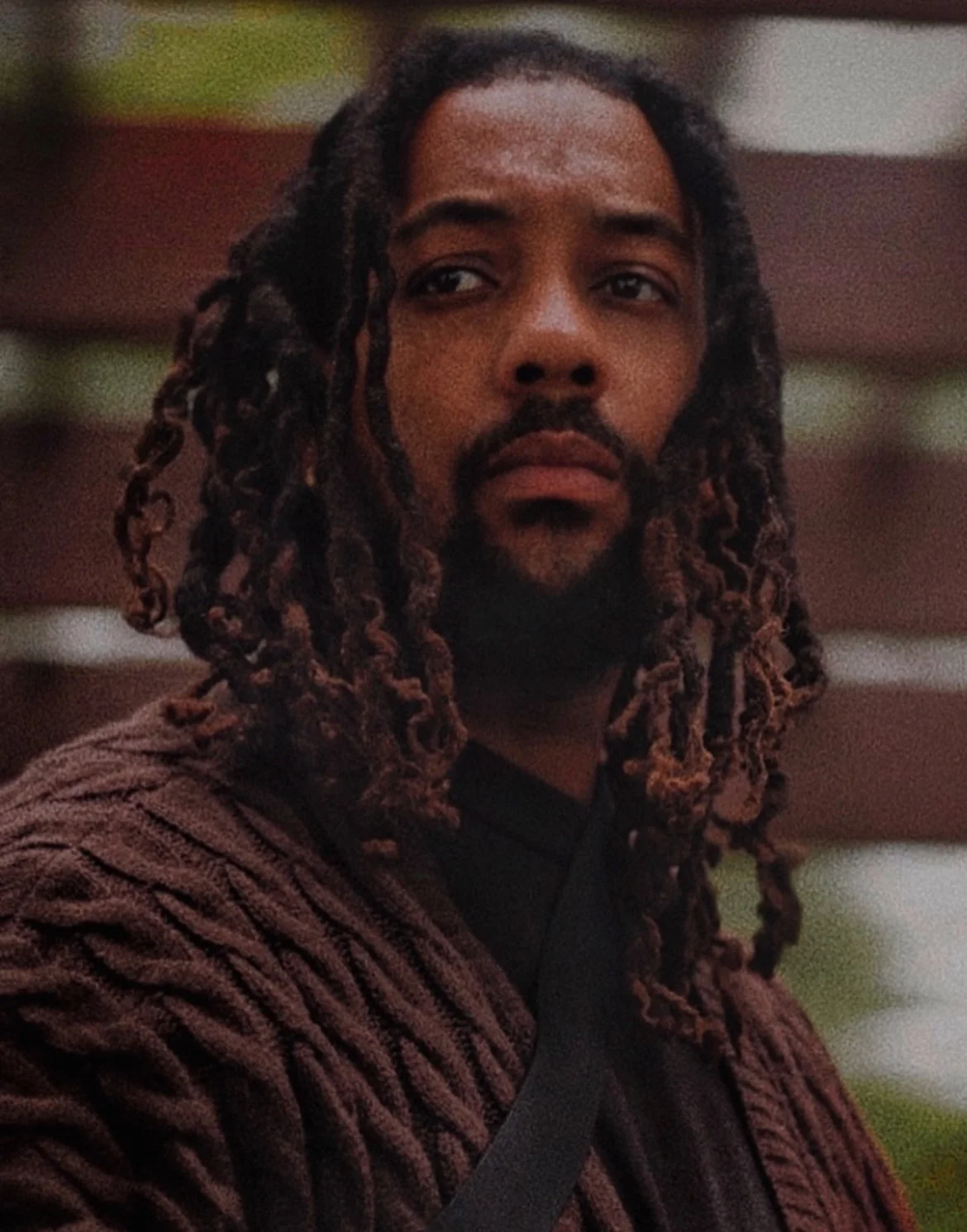
About The Artist
About the Exhibit
The culminating exhibit from our 2025/2026 Artist-in-Residence, Christopher Diont’e.
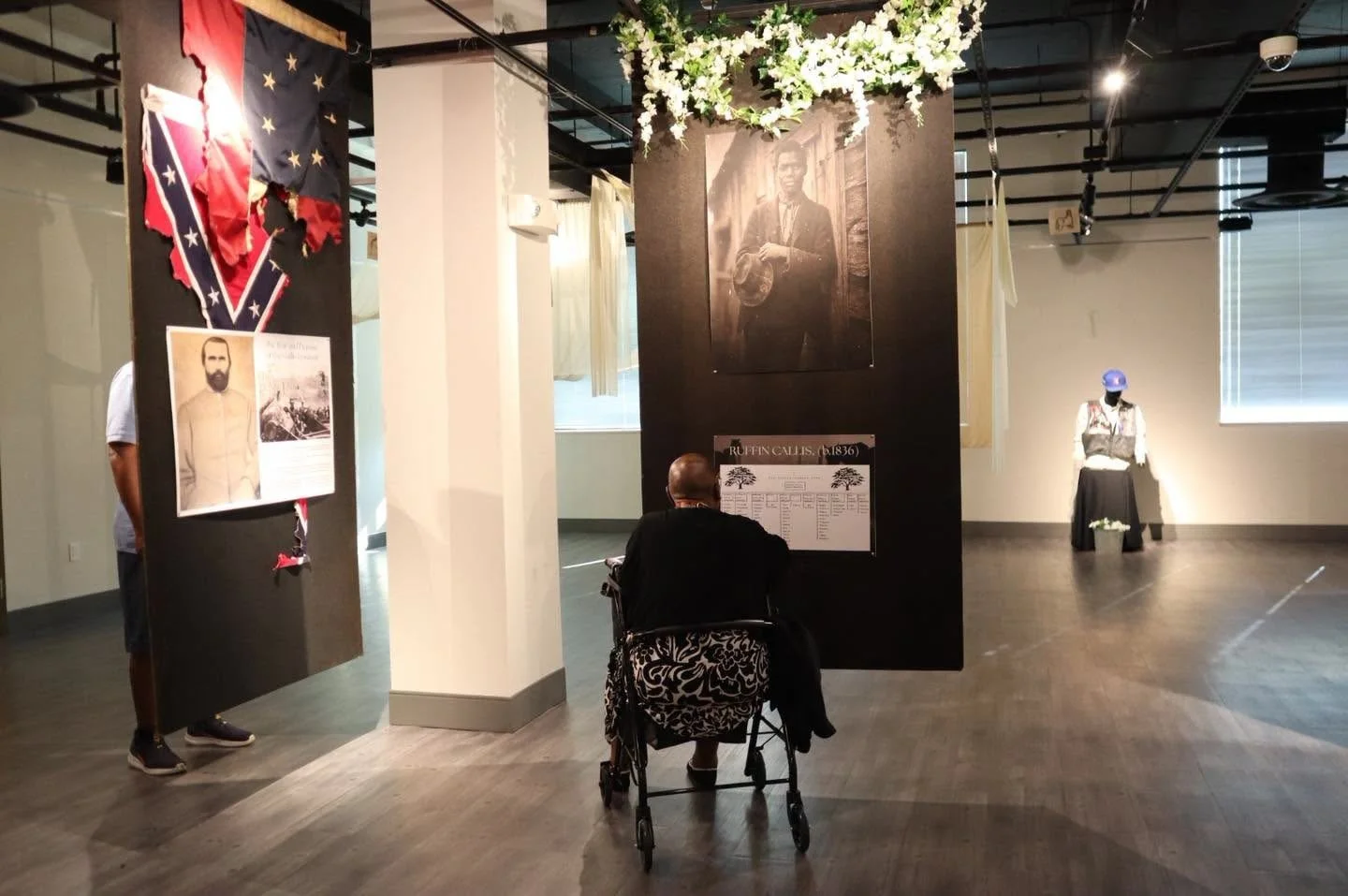
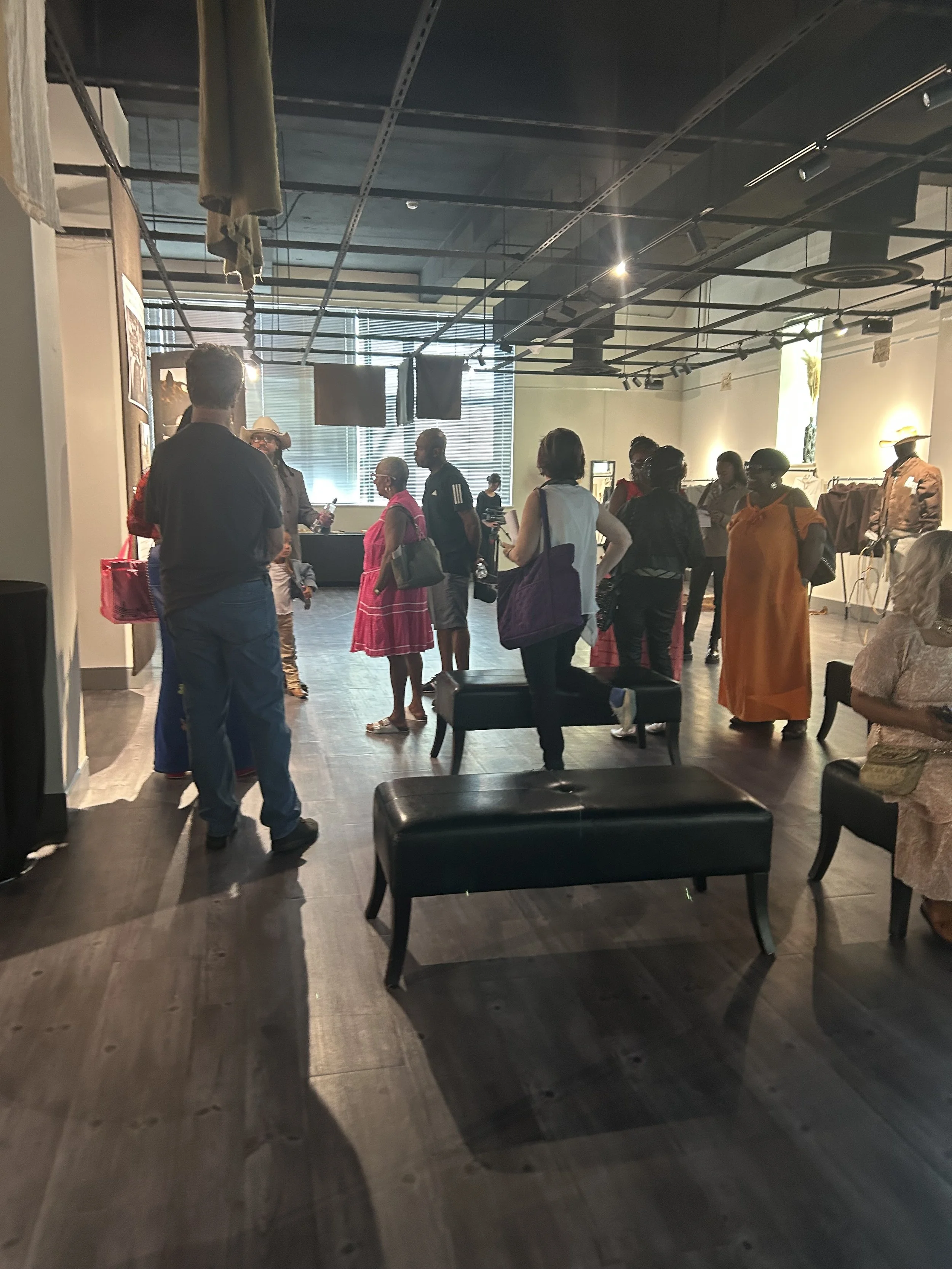
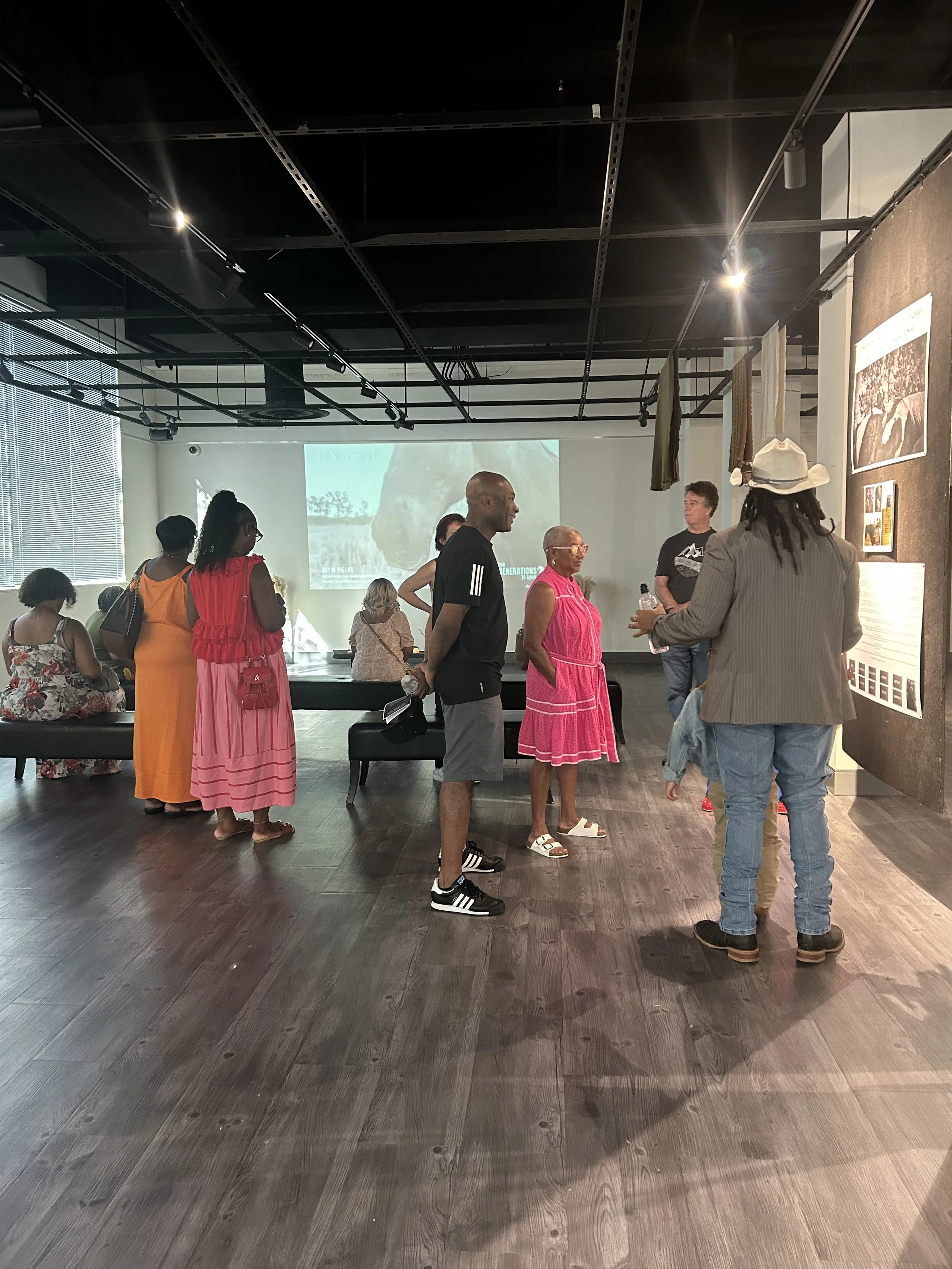
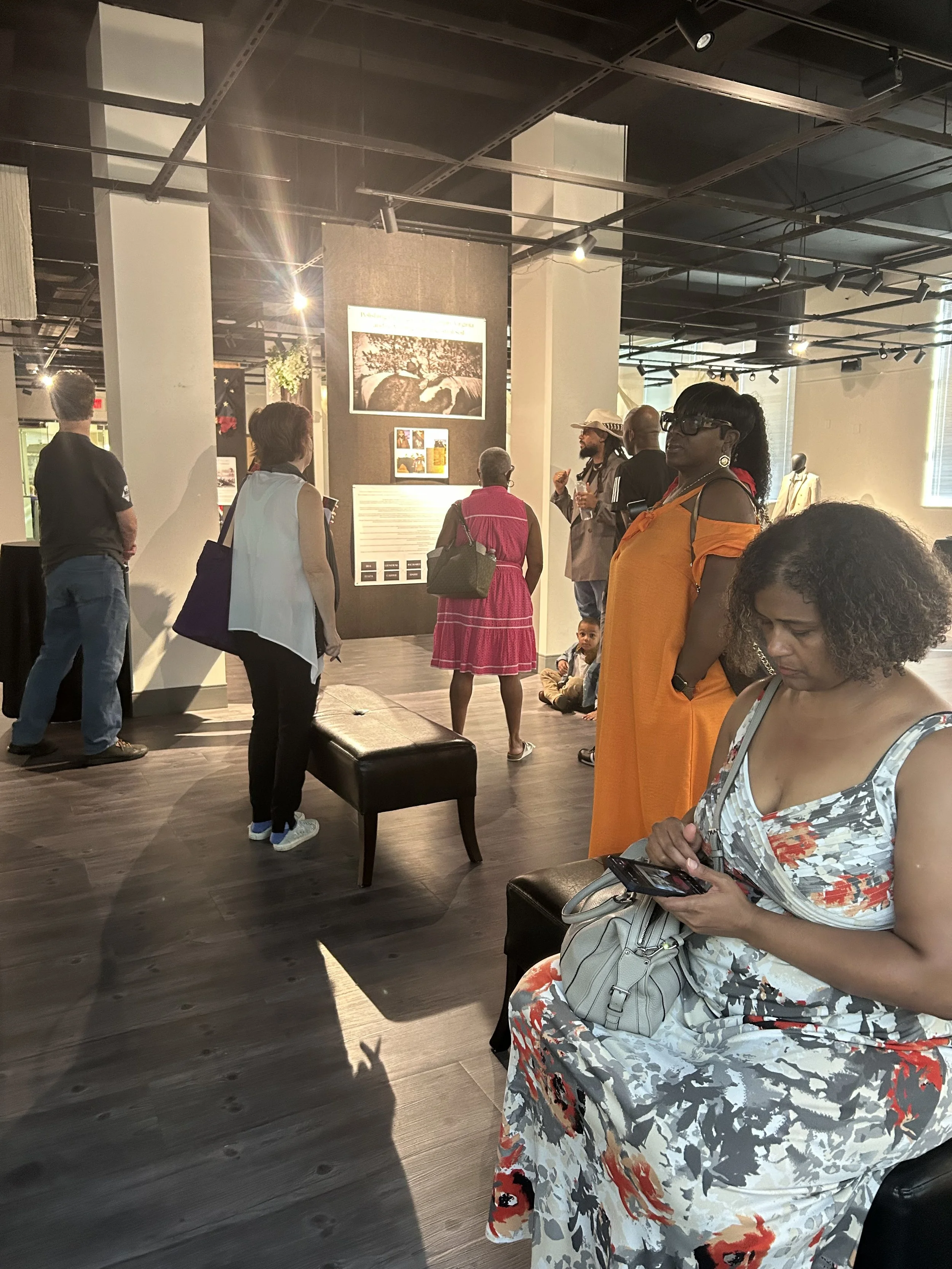
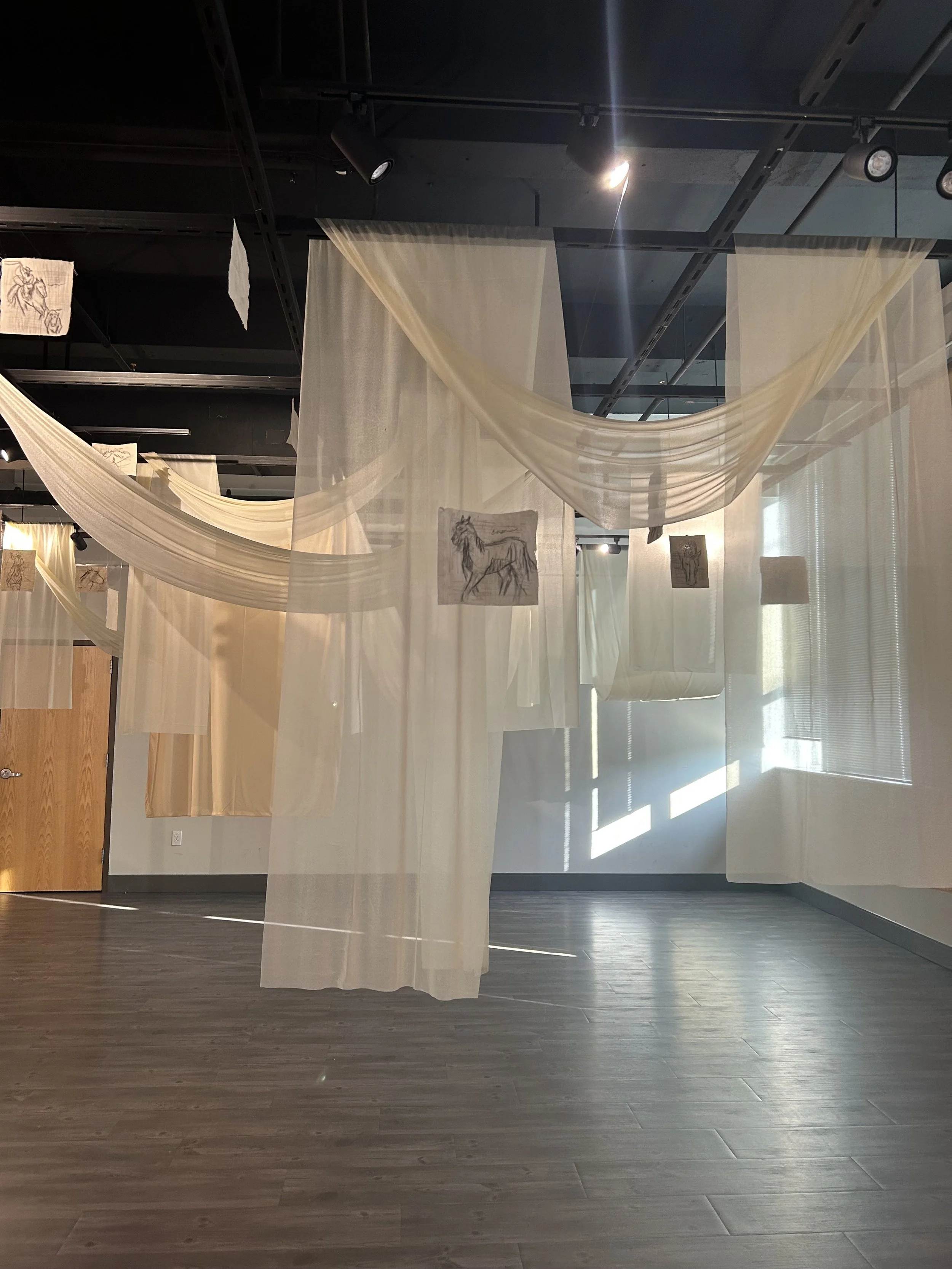
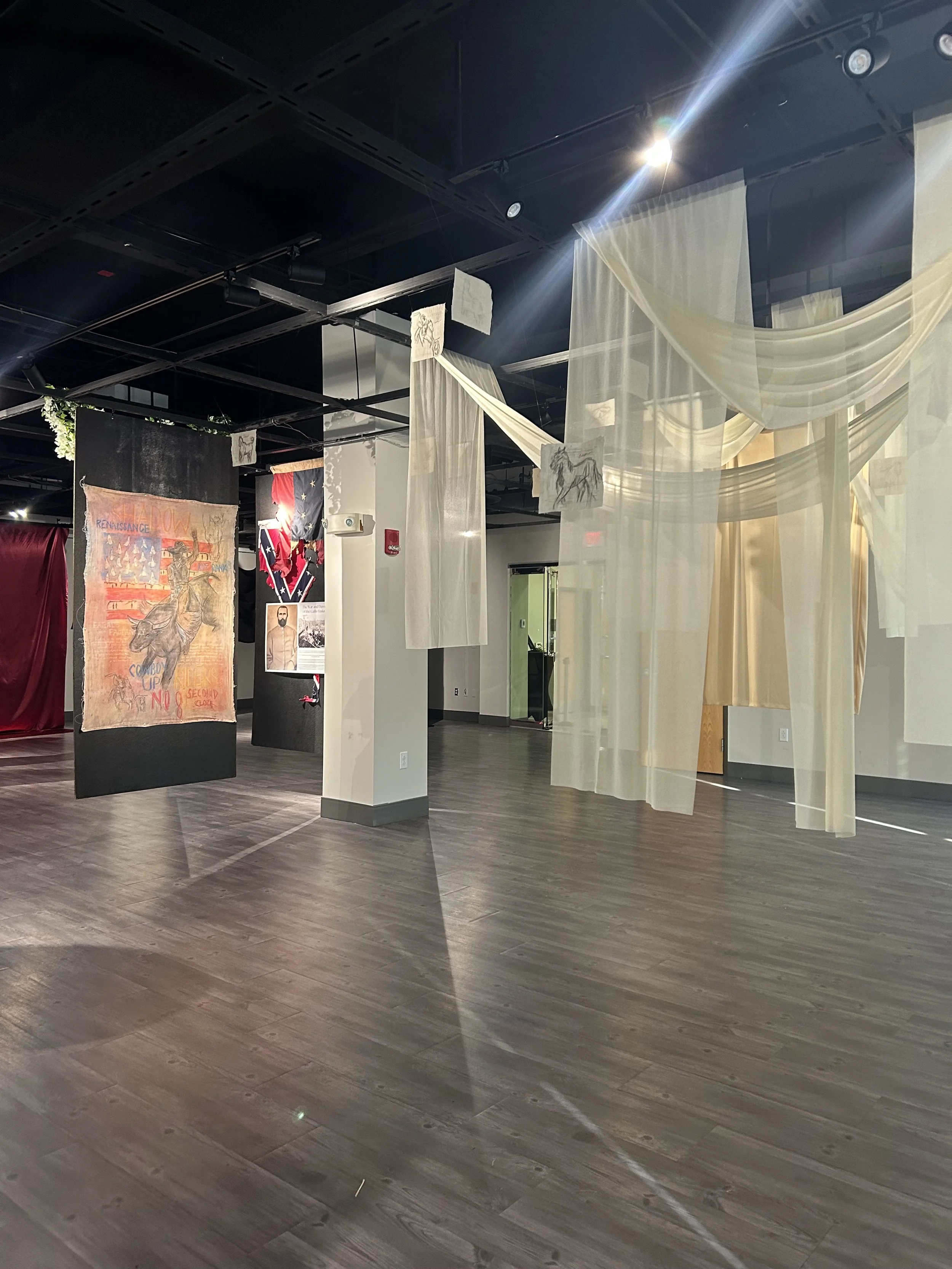
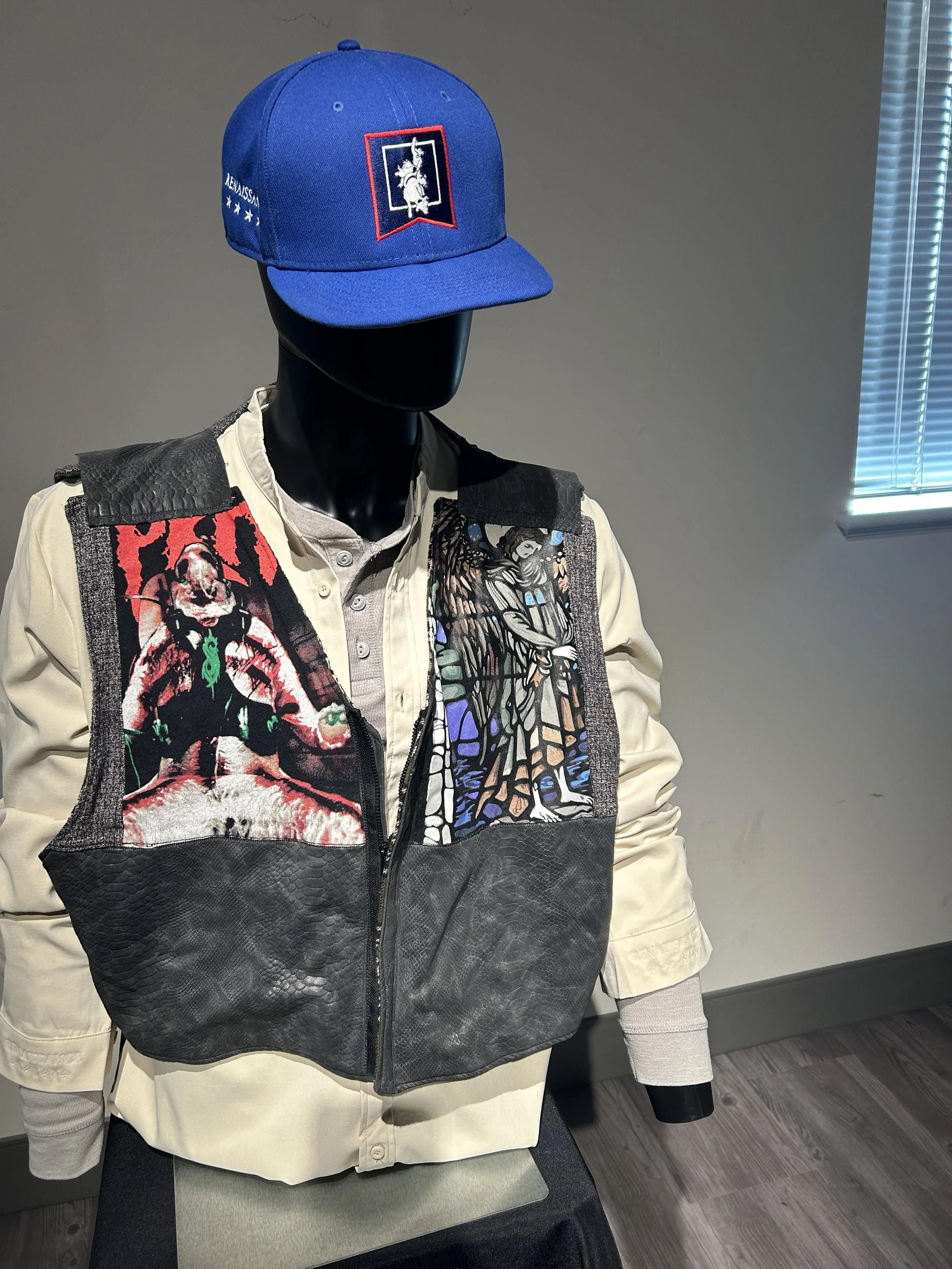
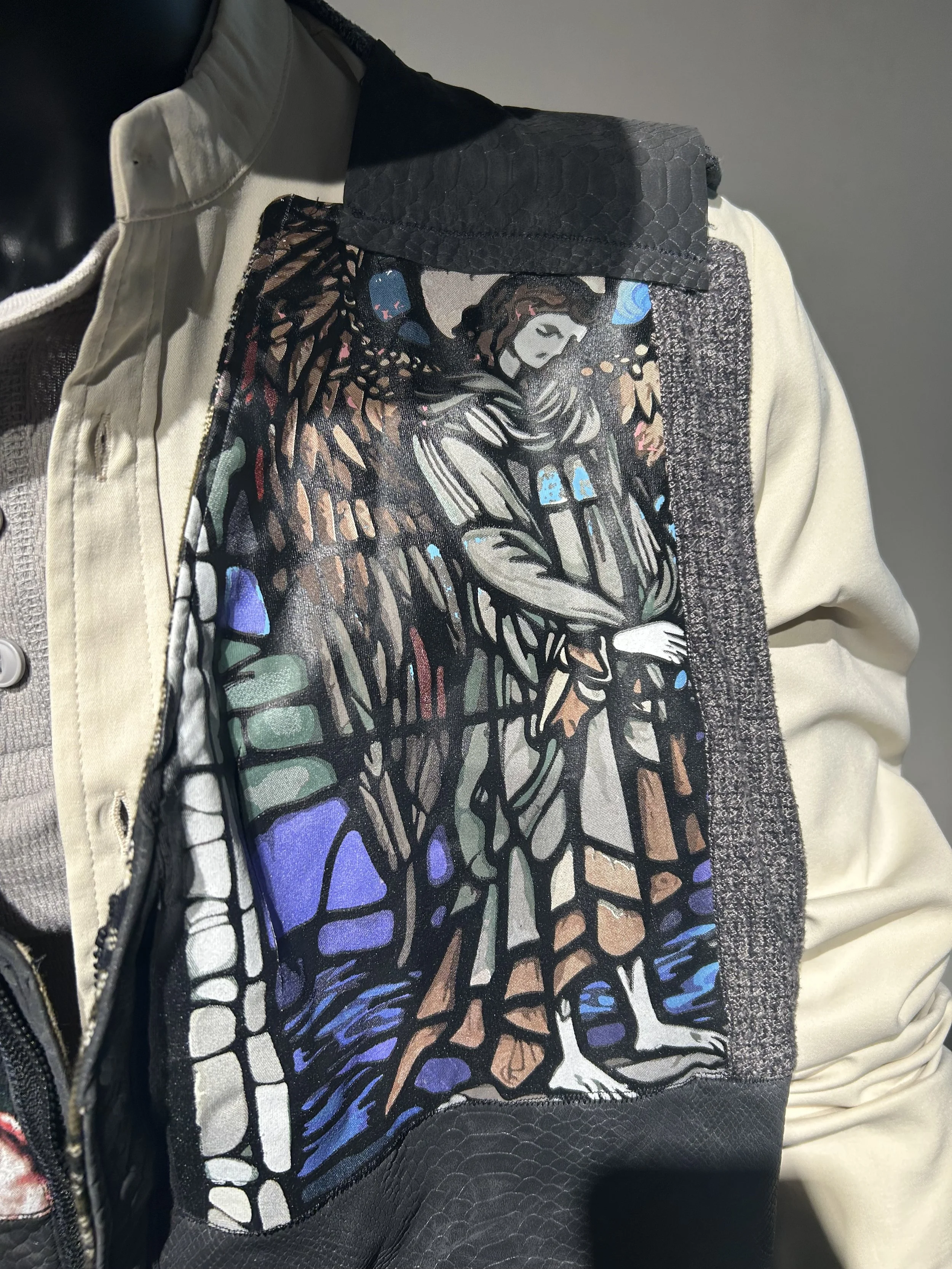
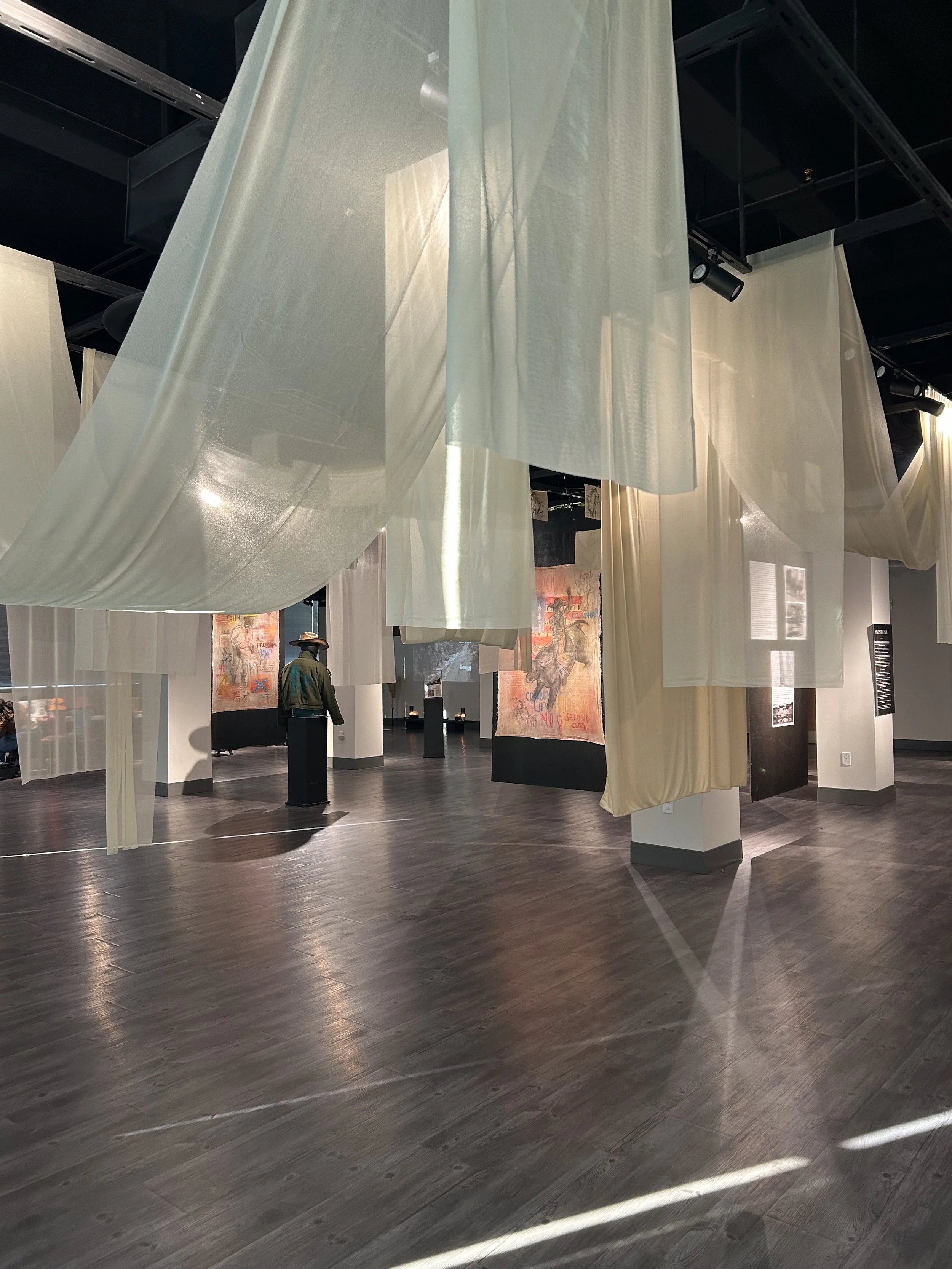
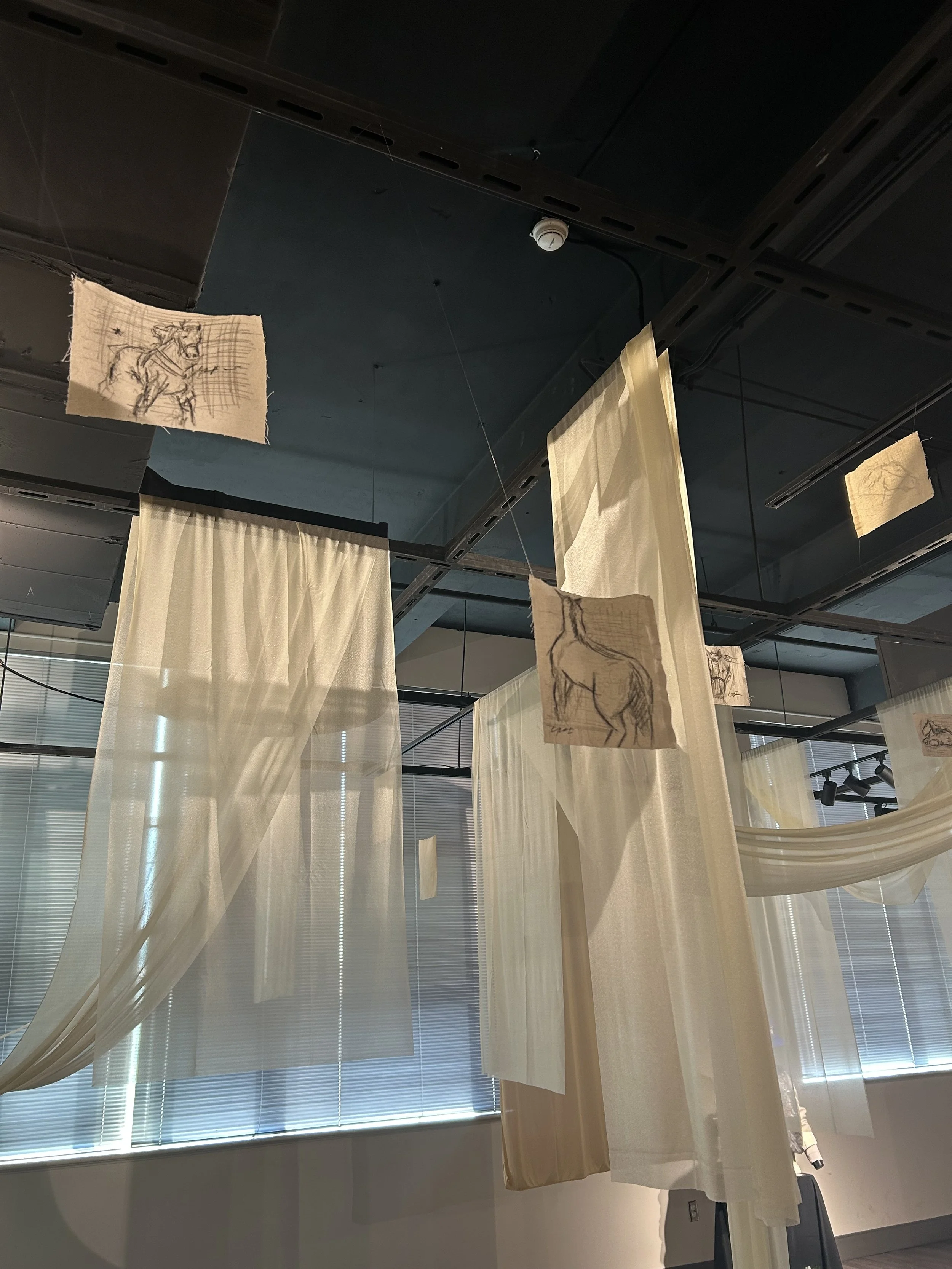
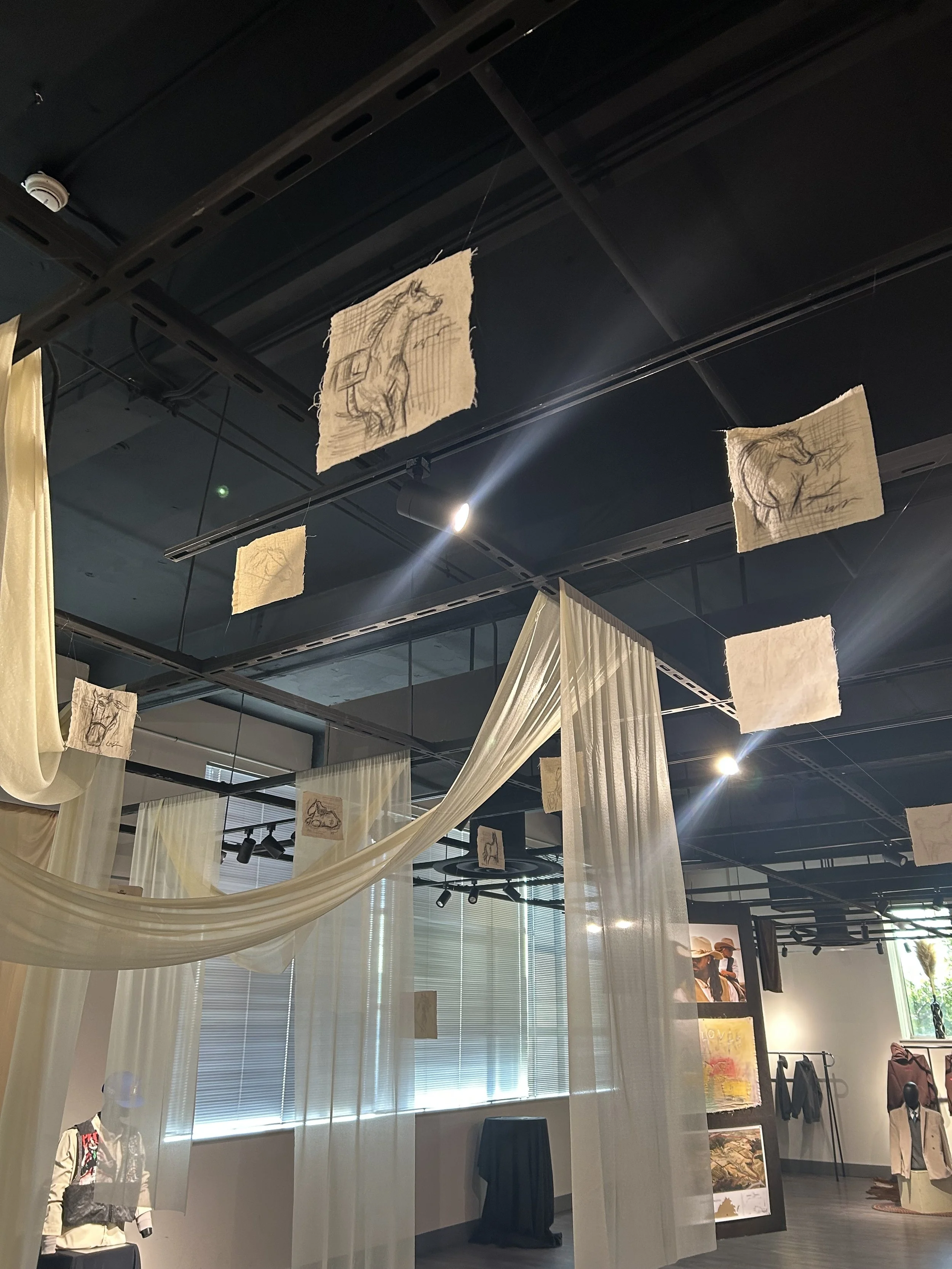
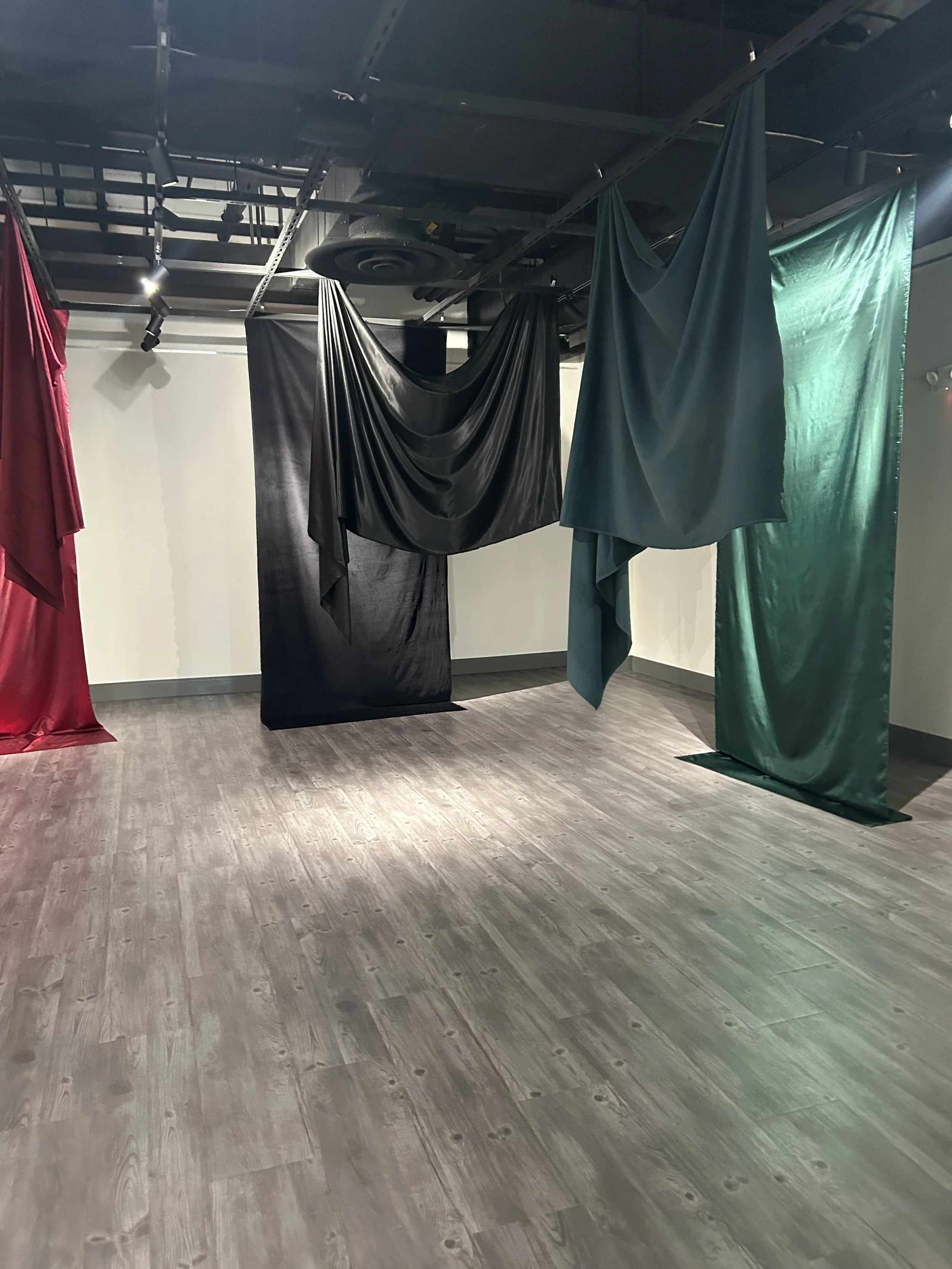
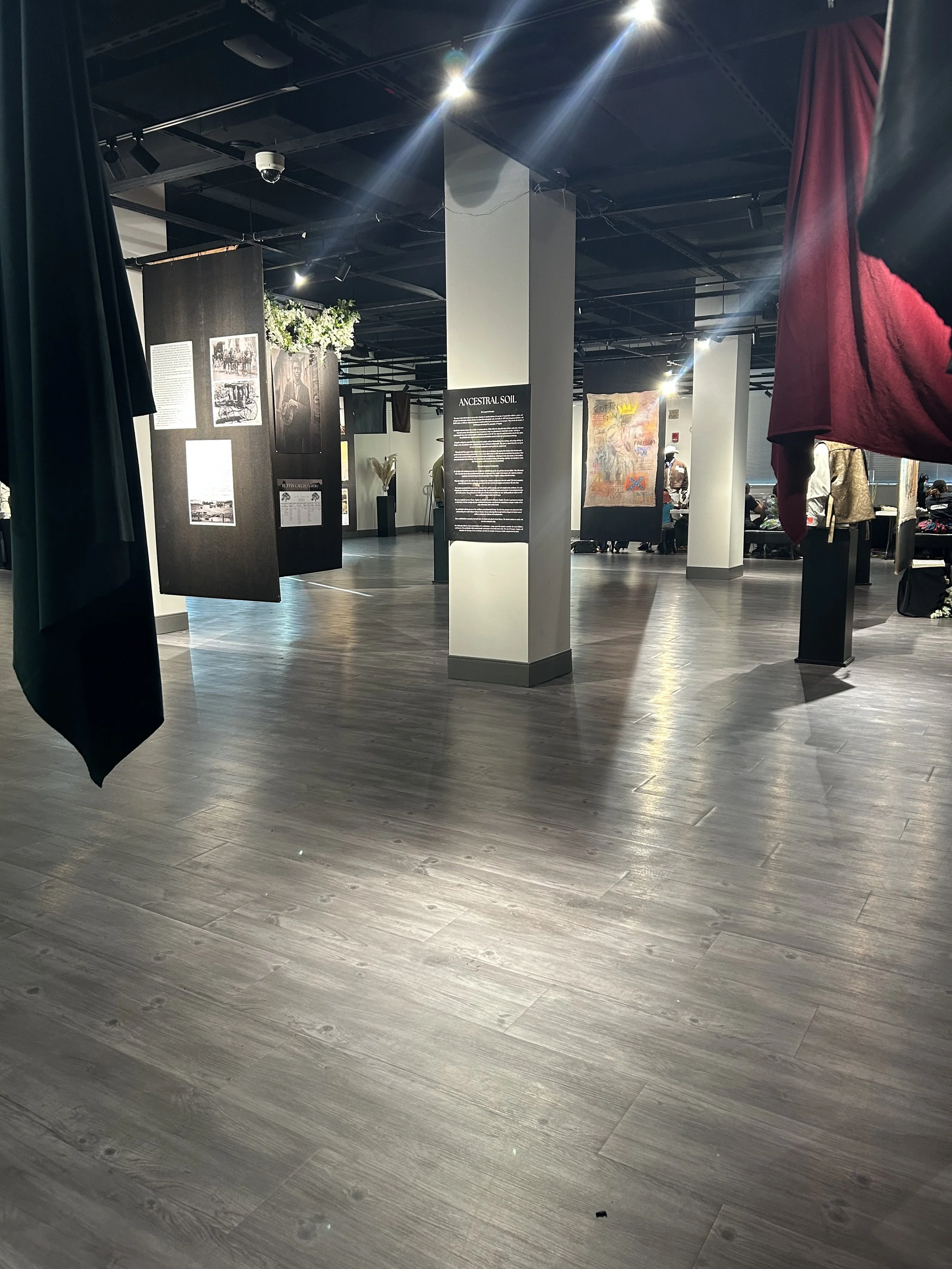
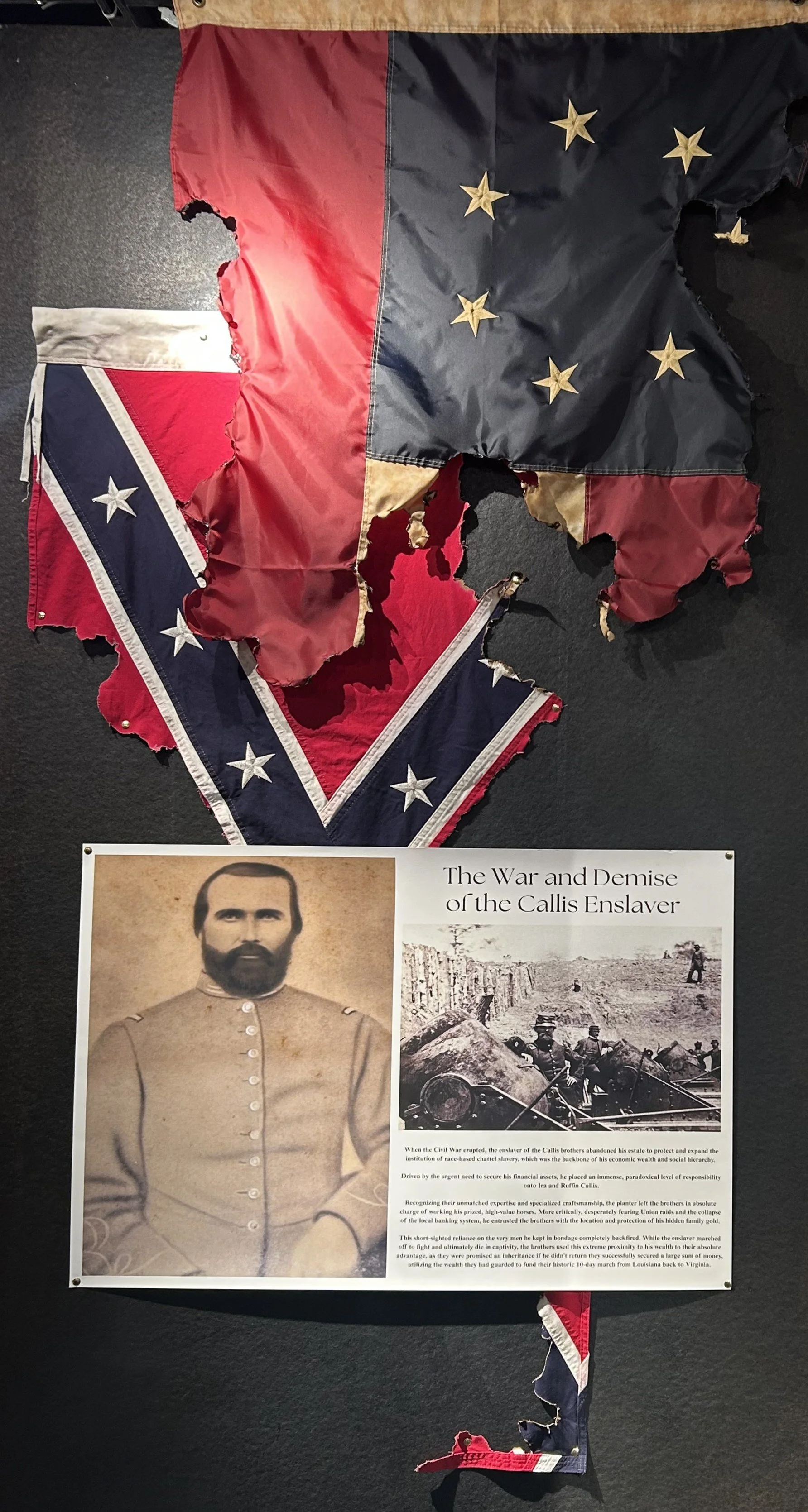
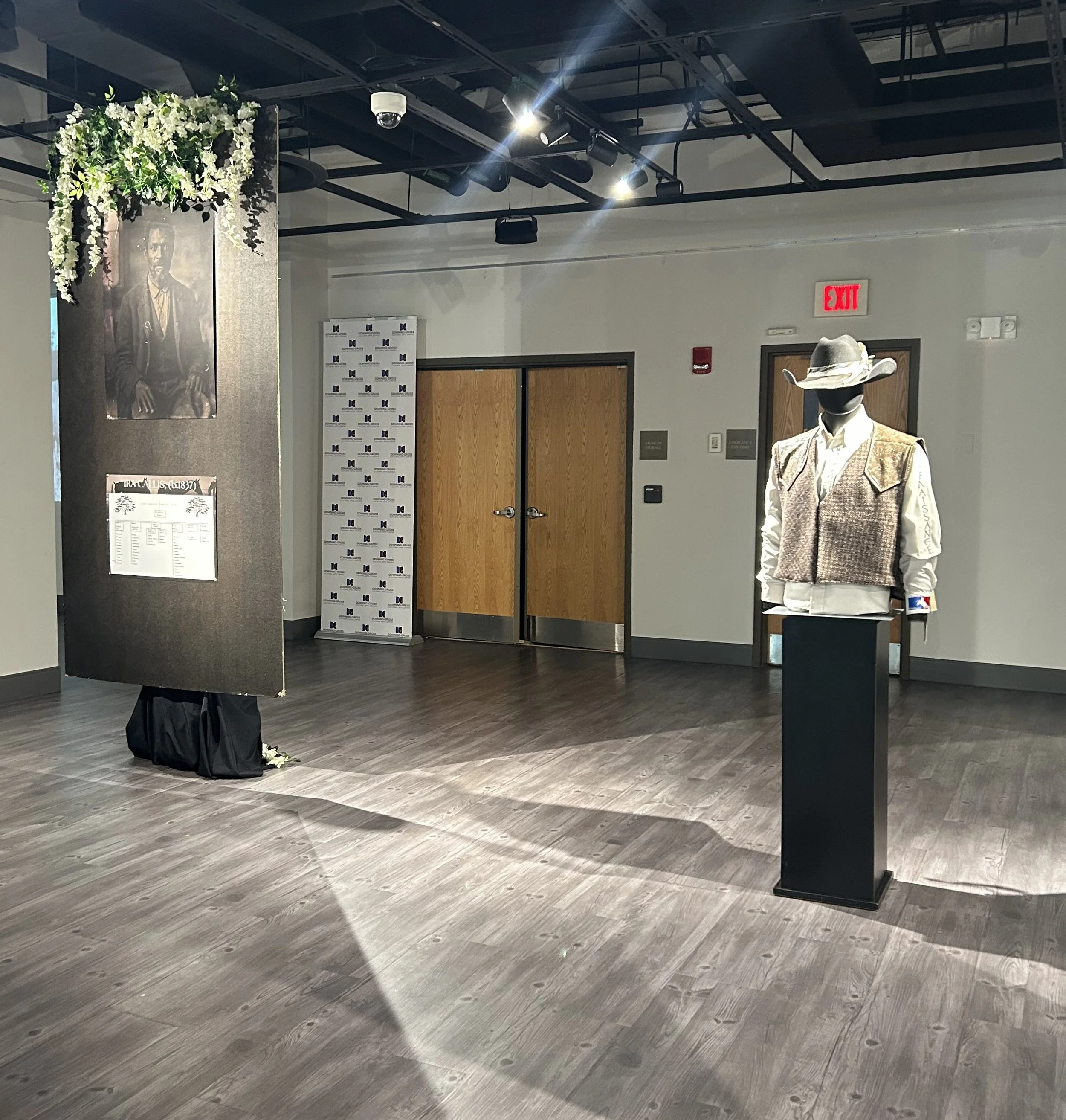
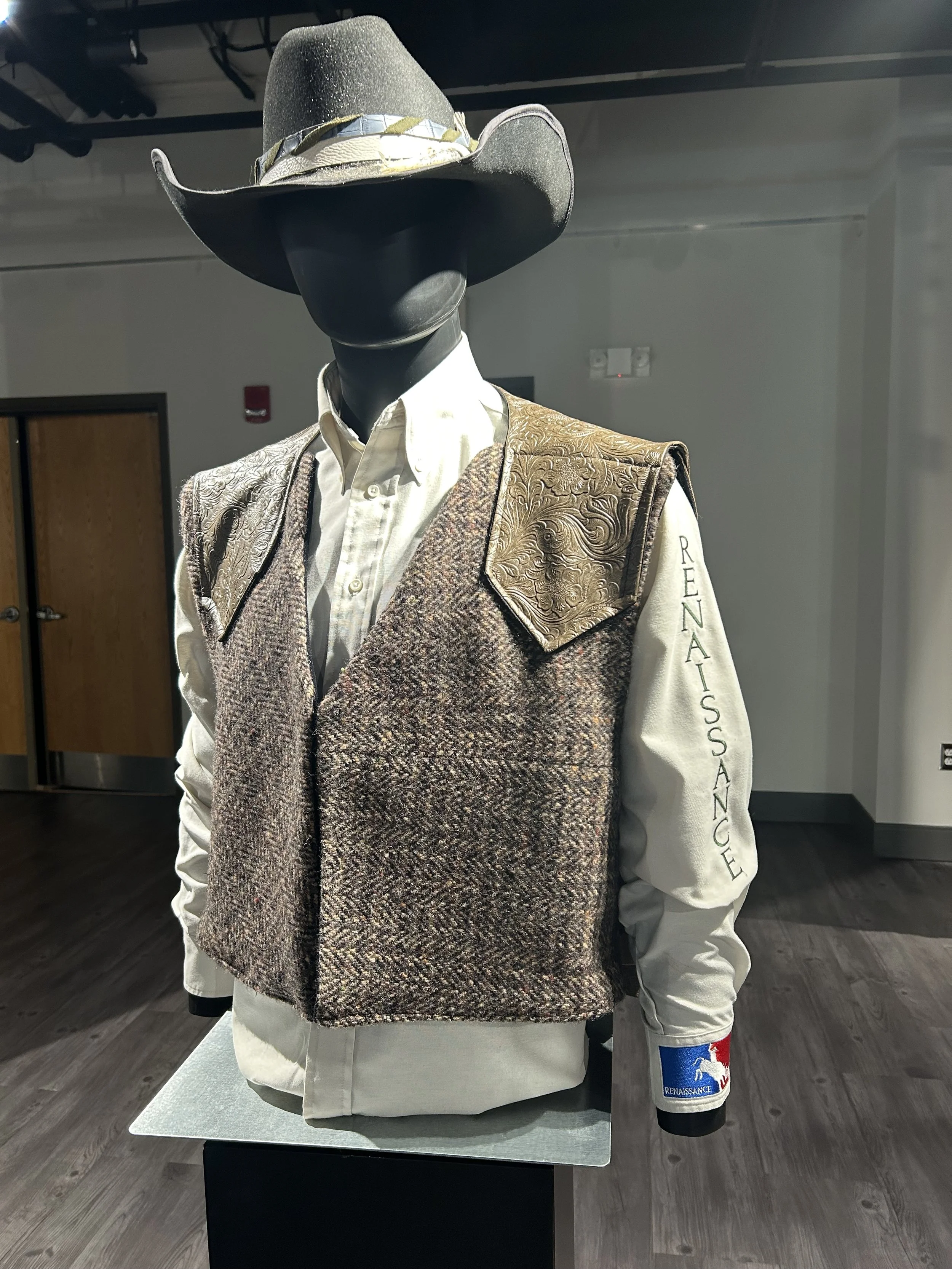
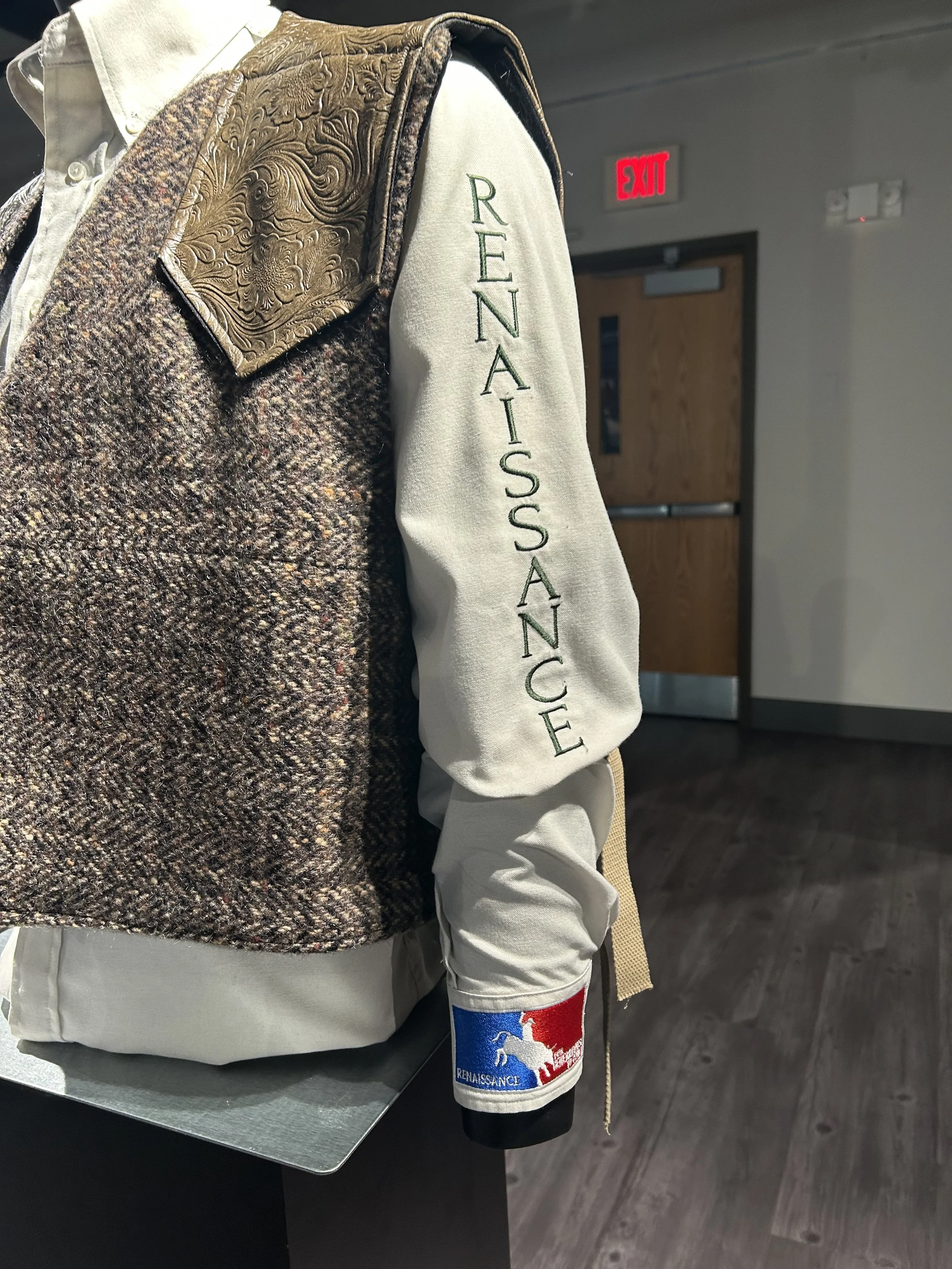
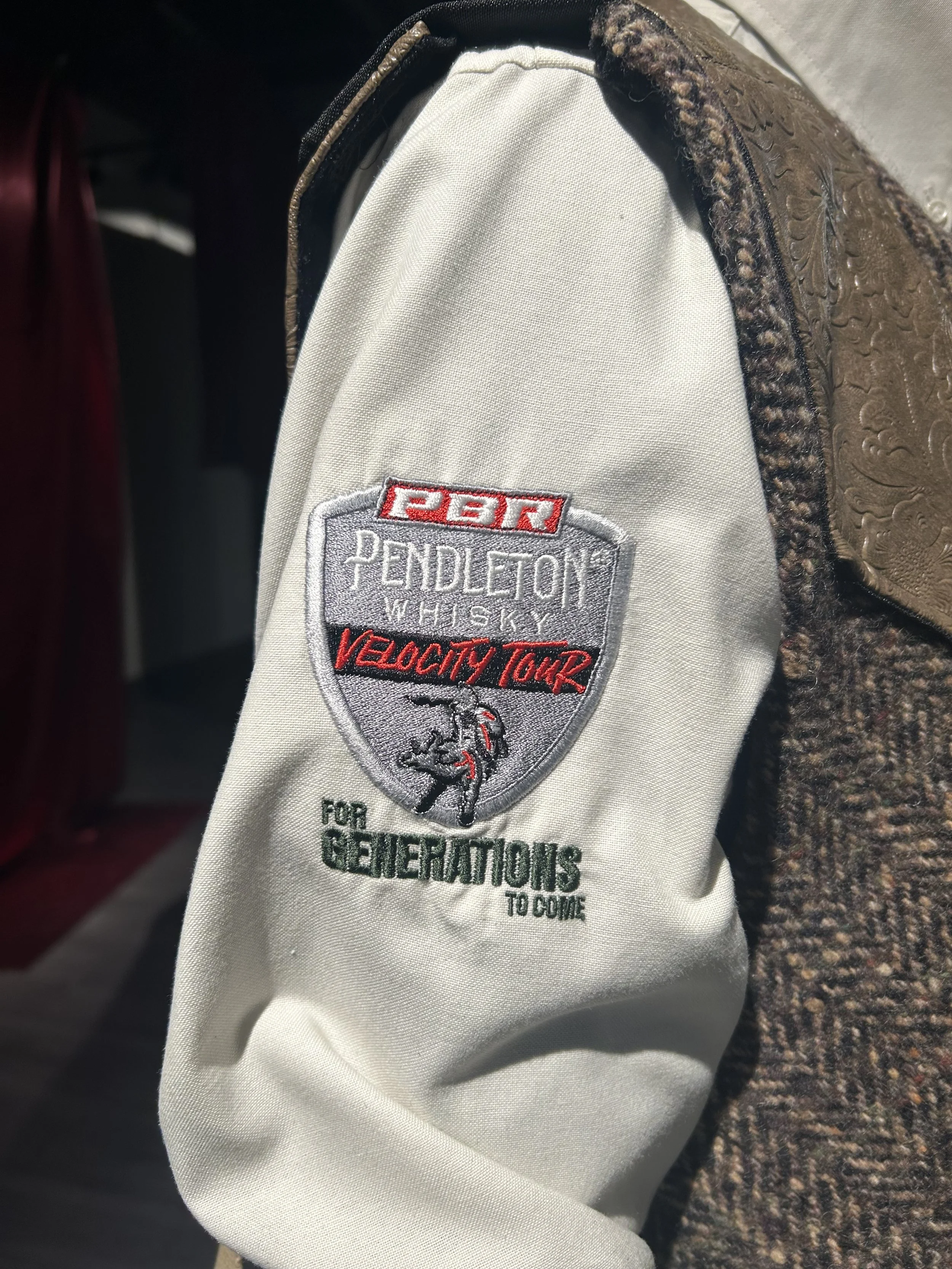
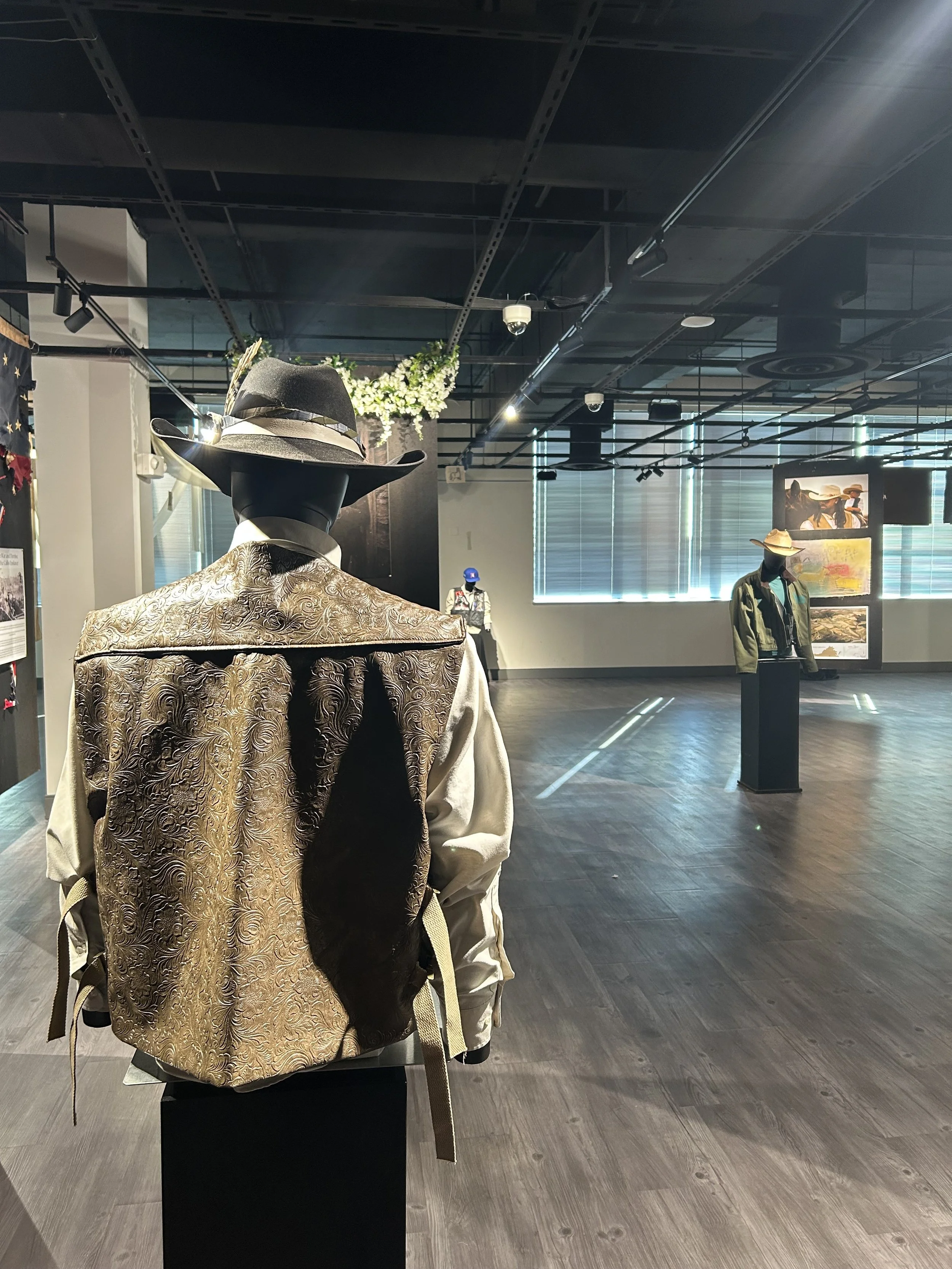
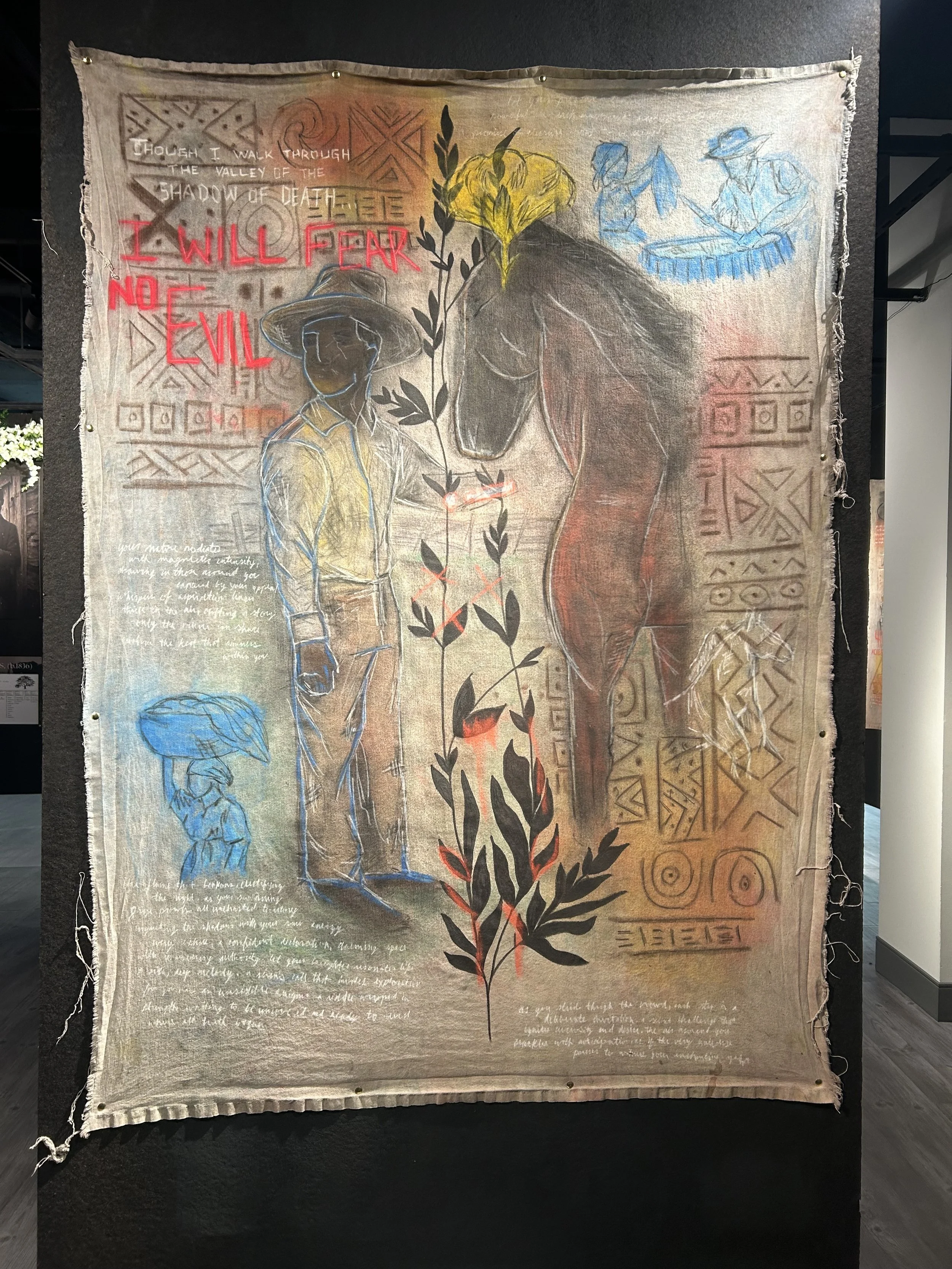
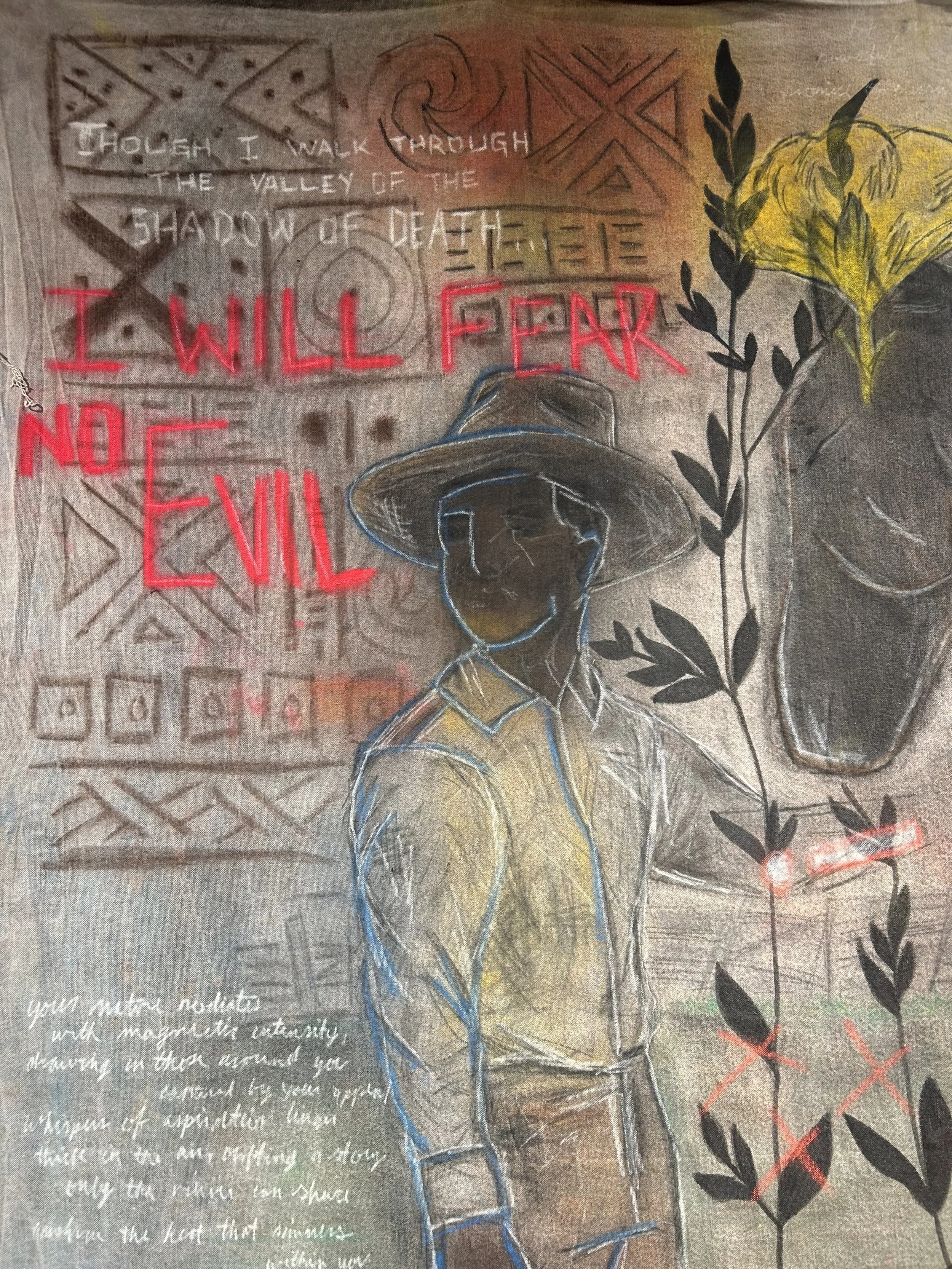
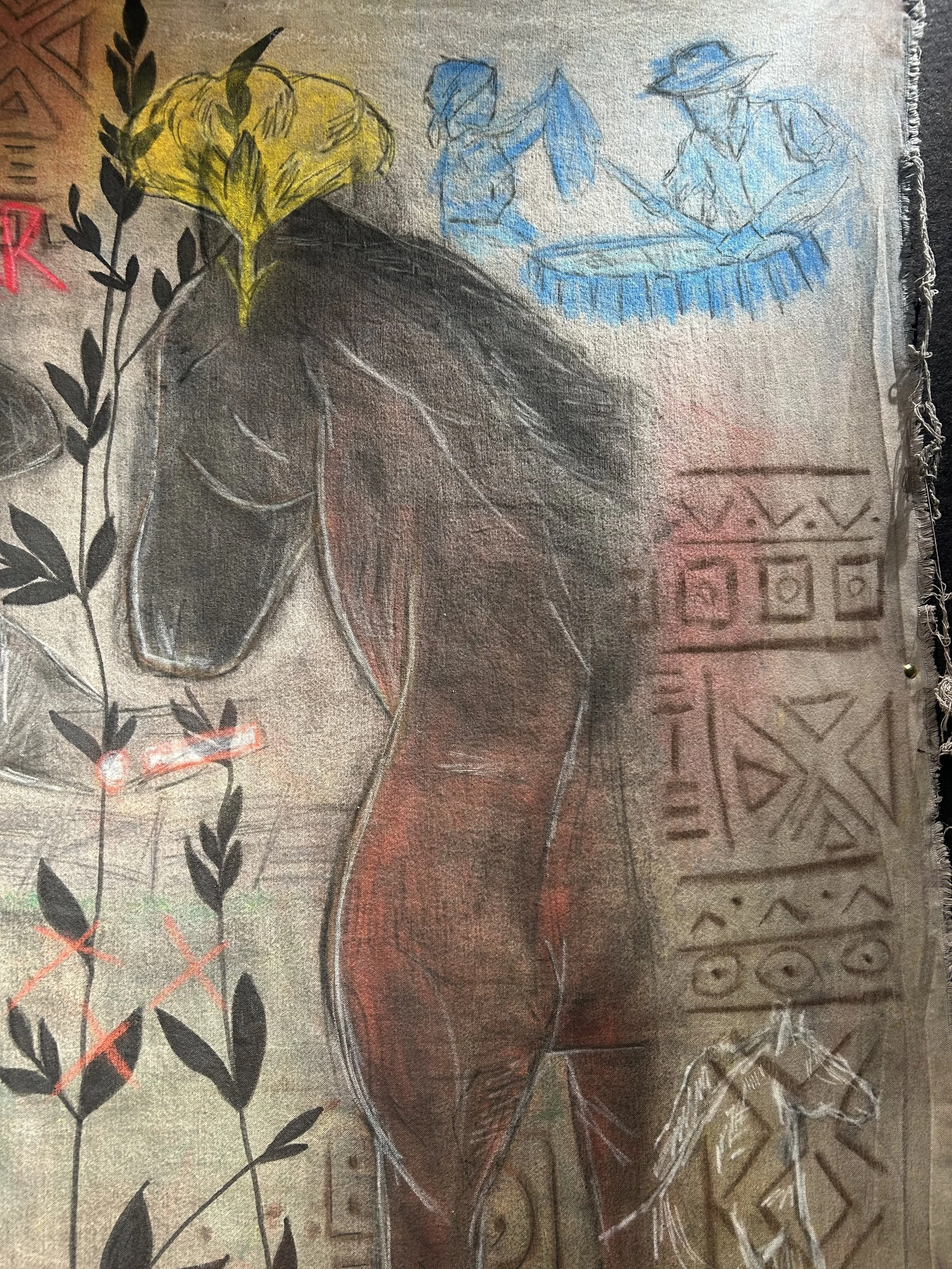
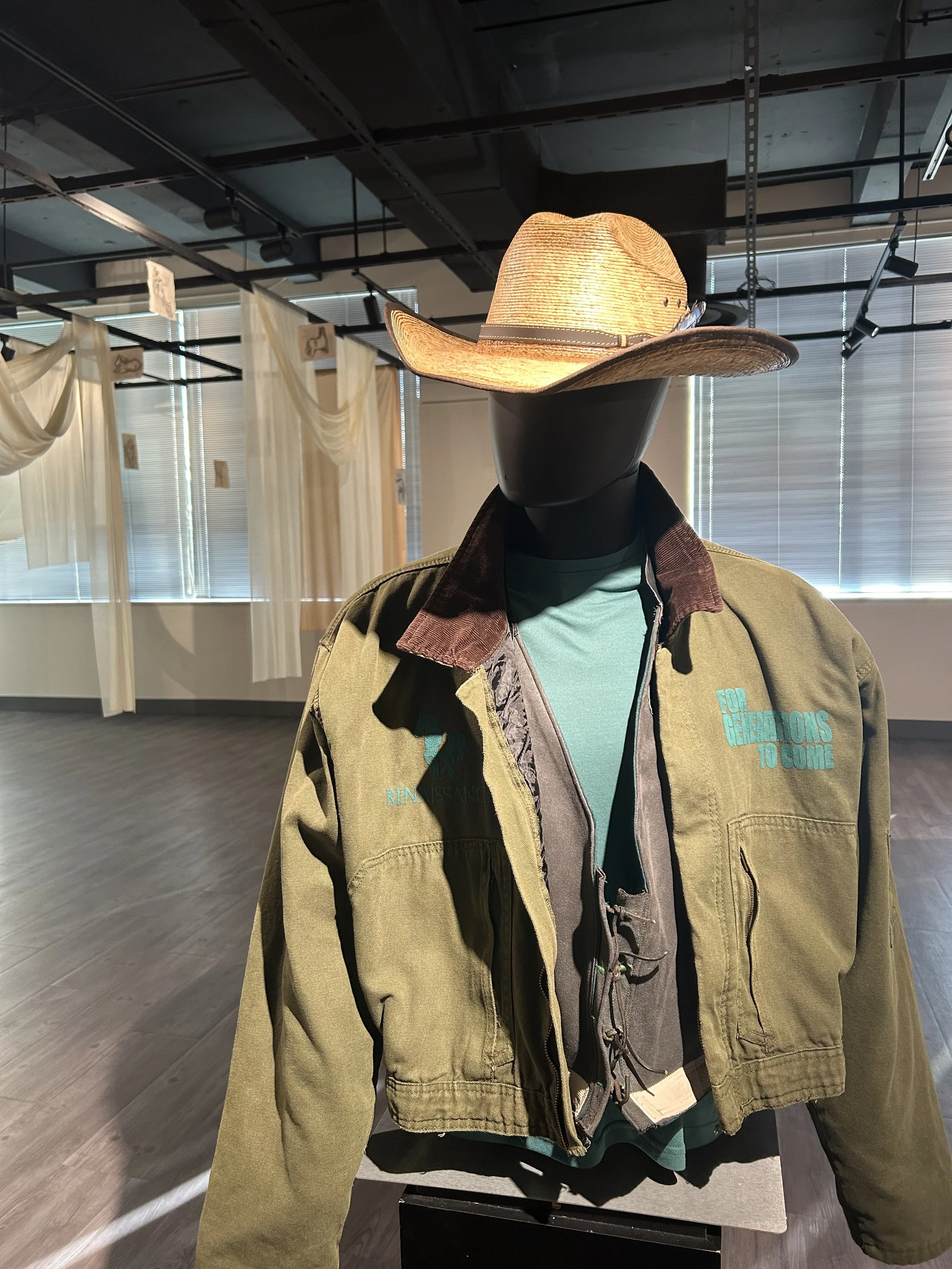
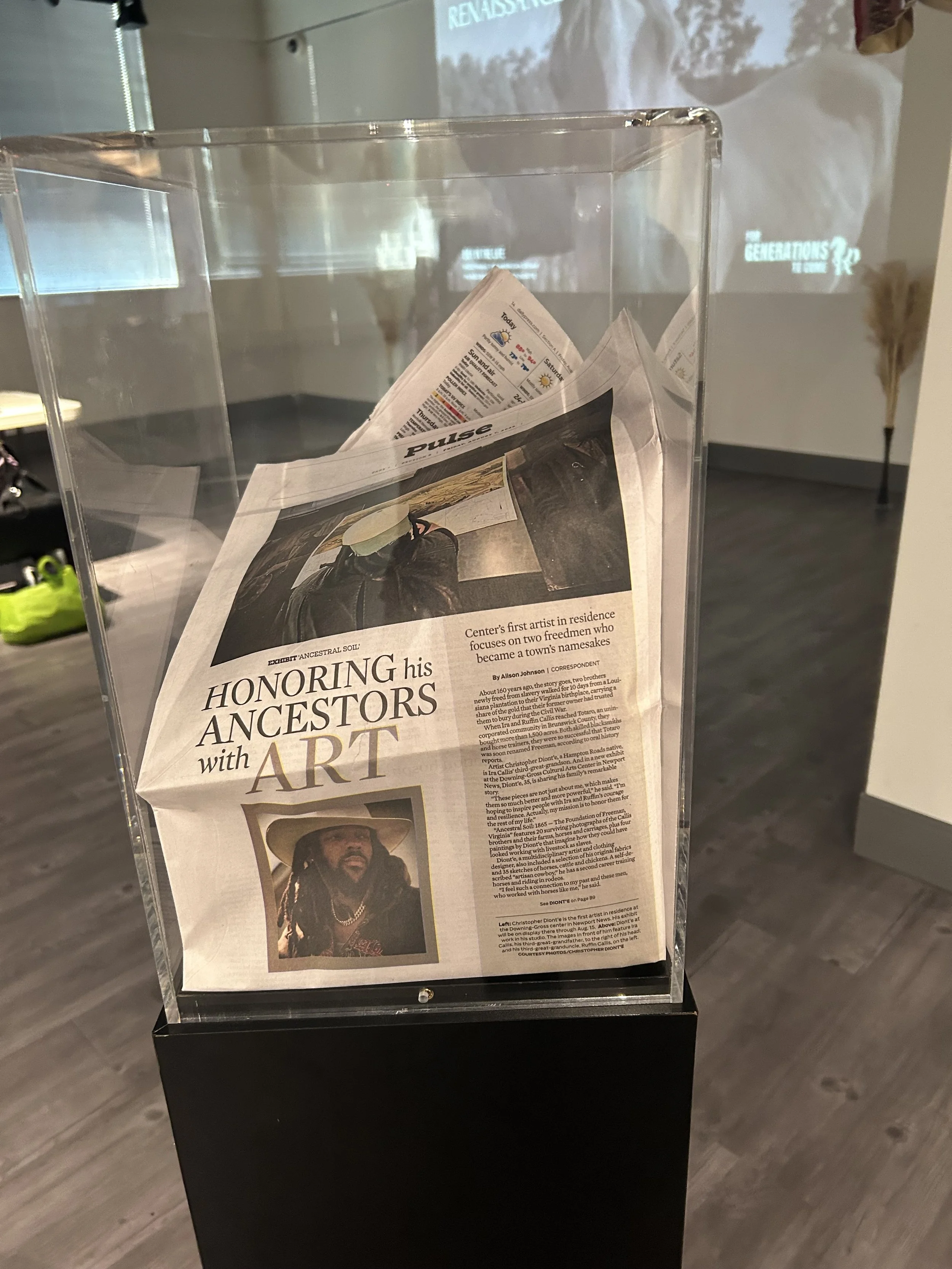
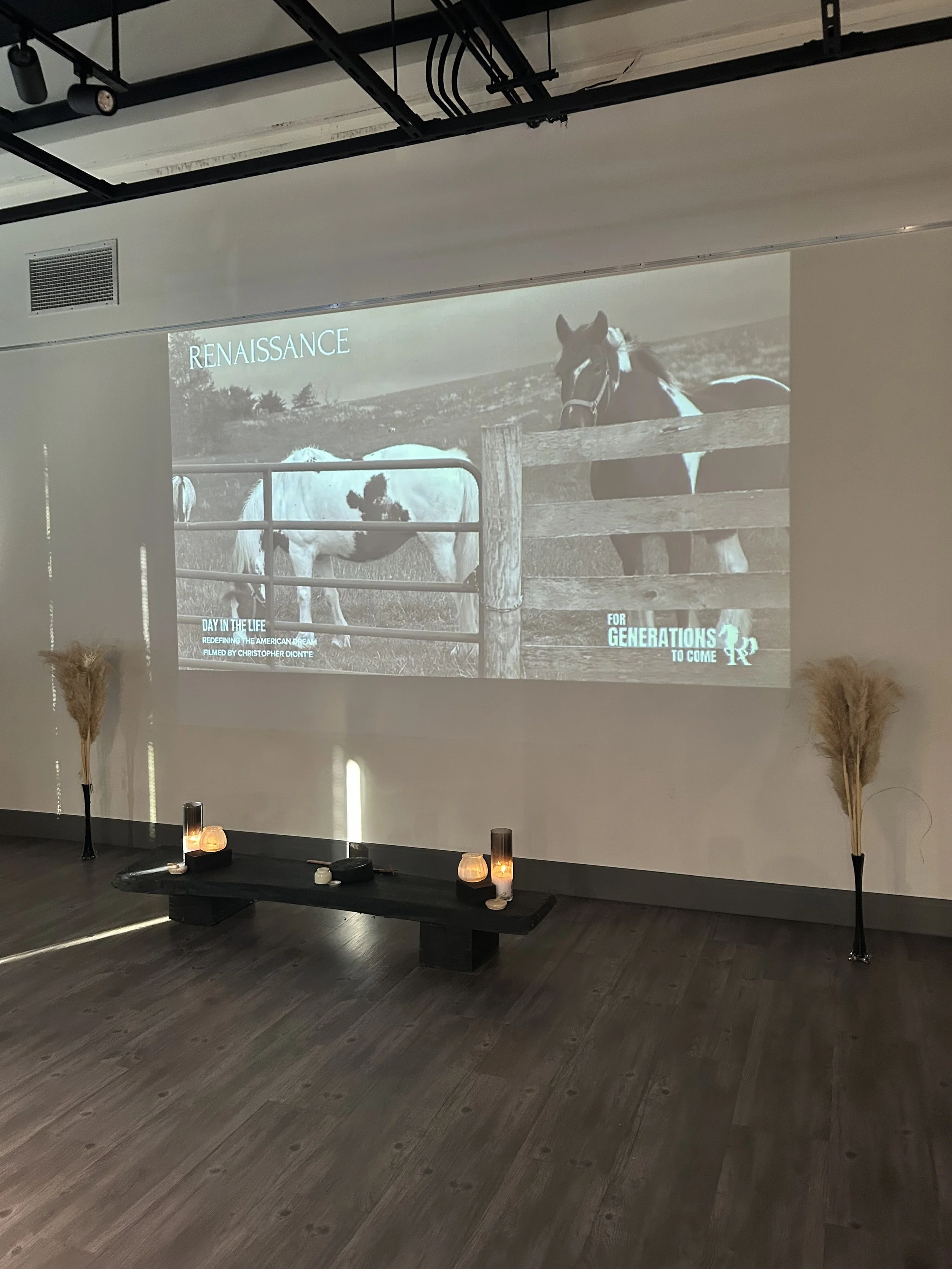
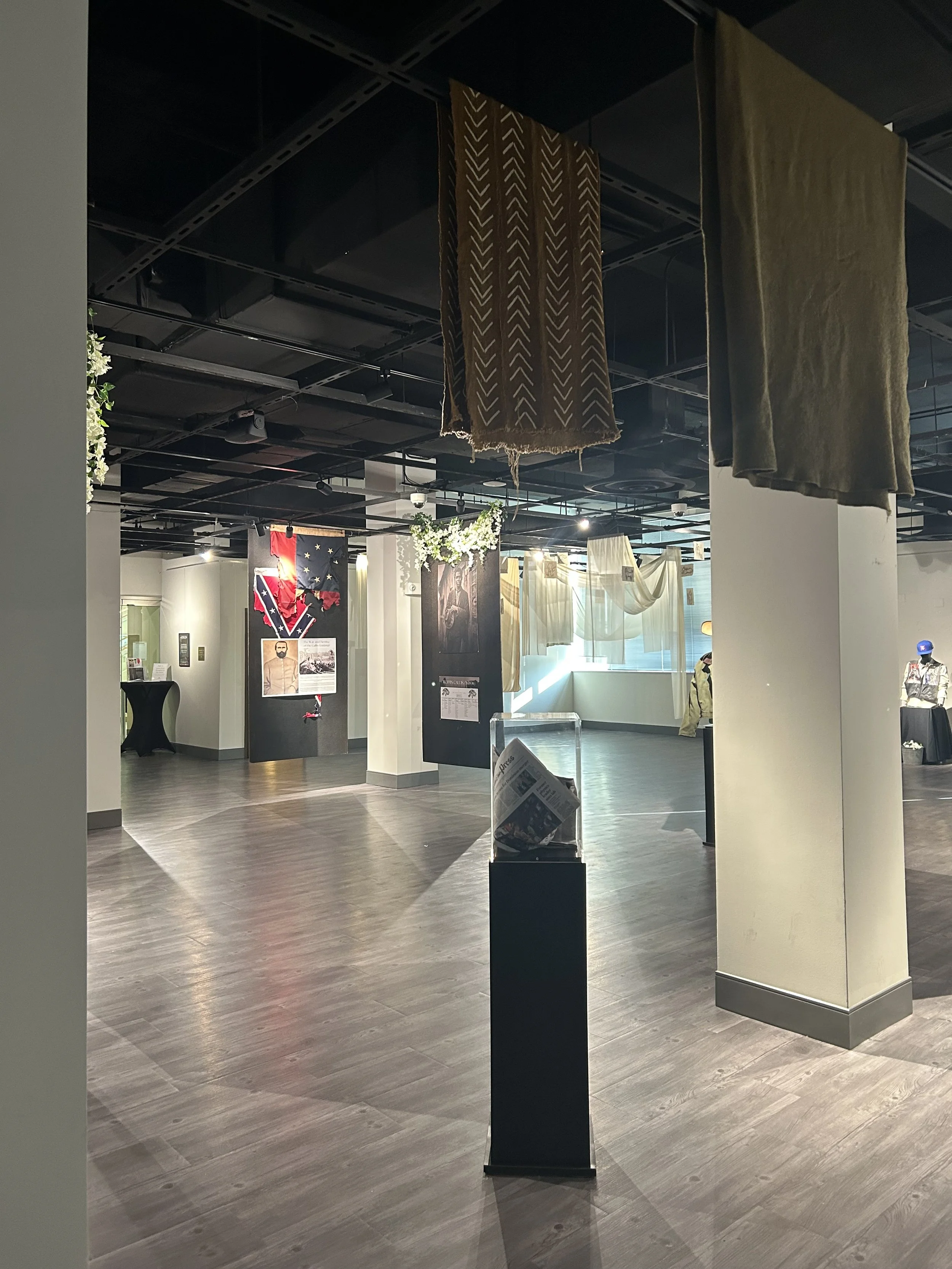
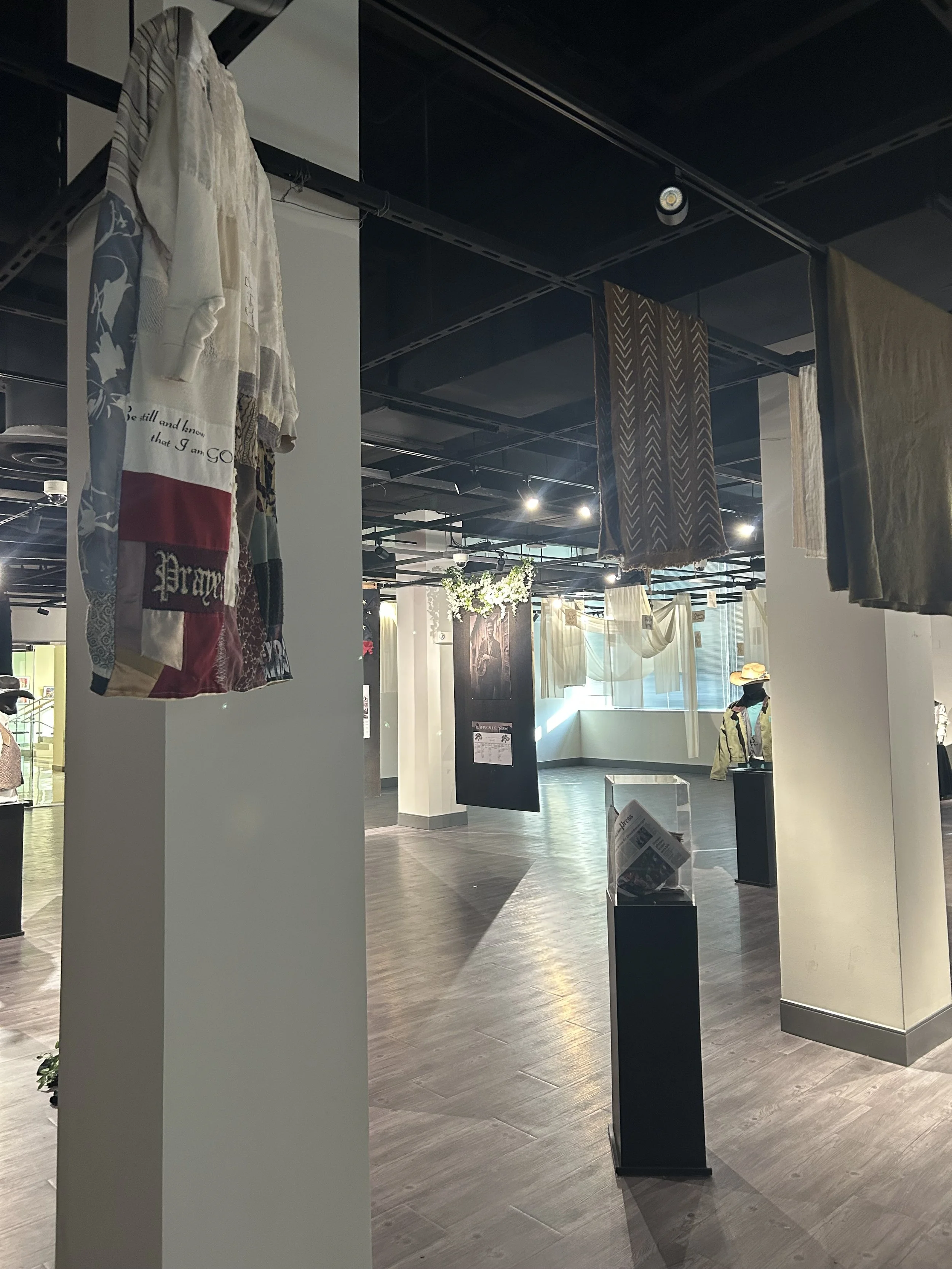
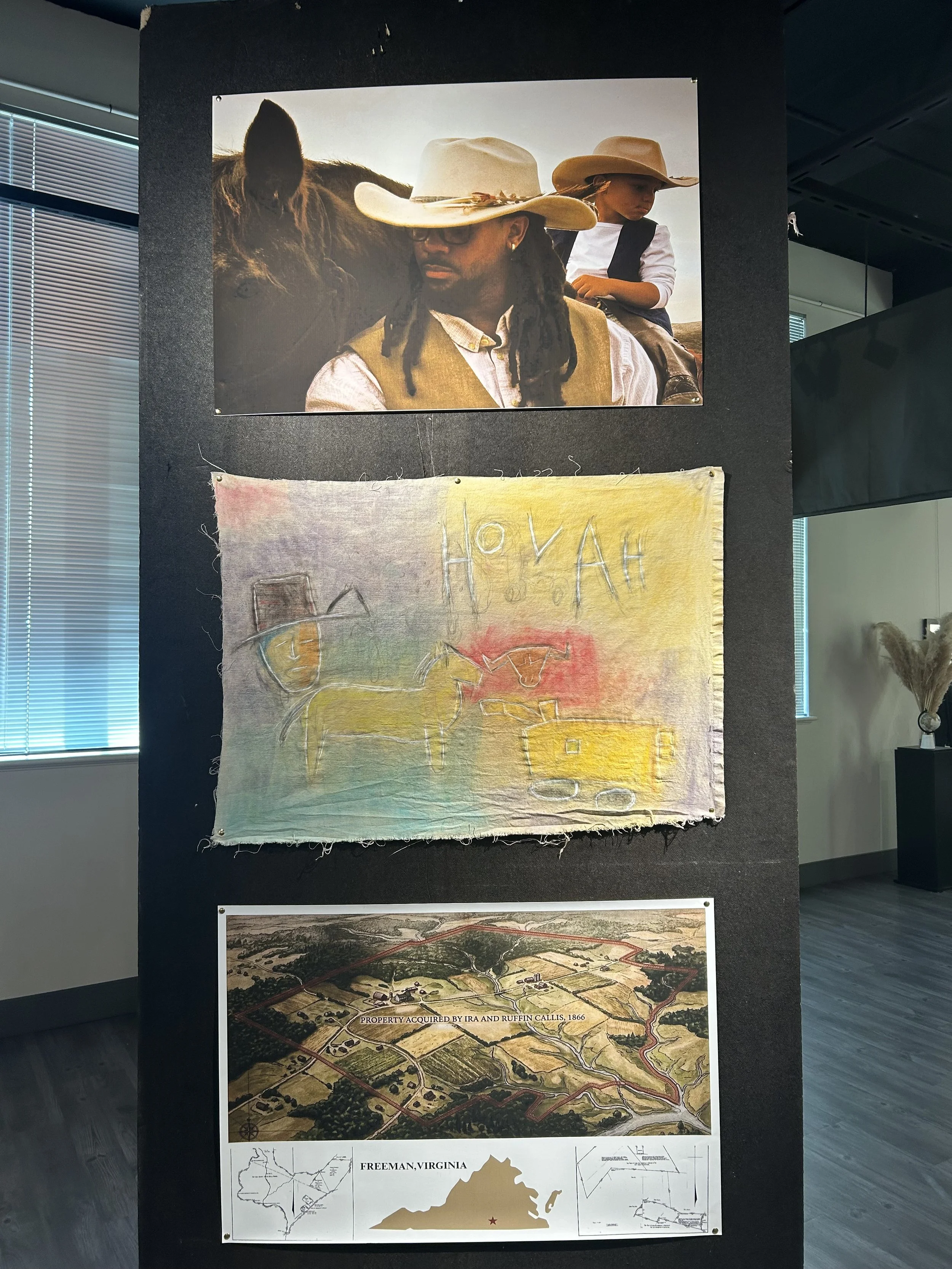
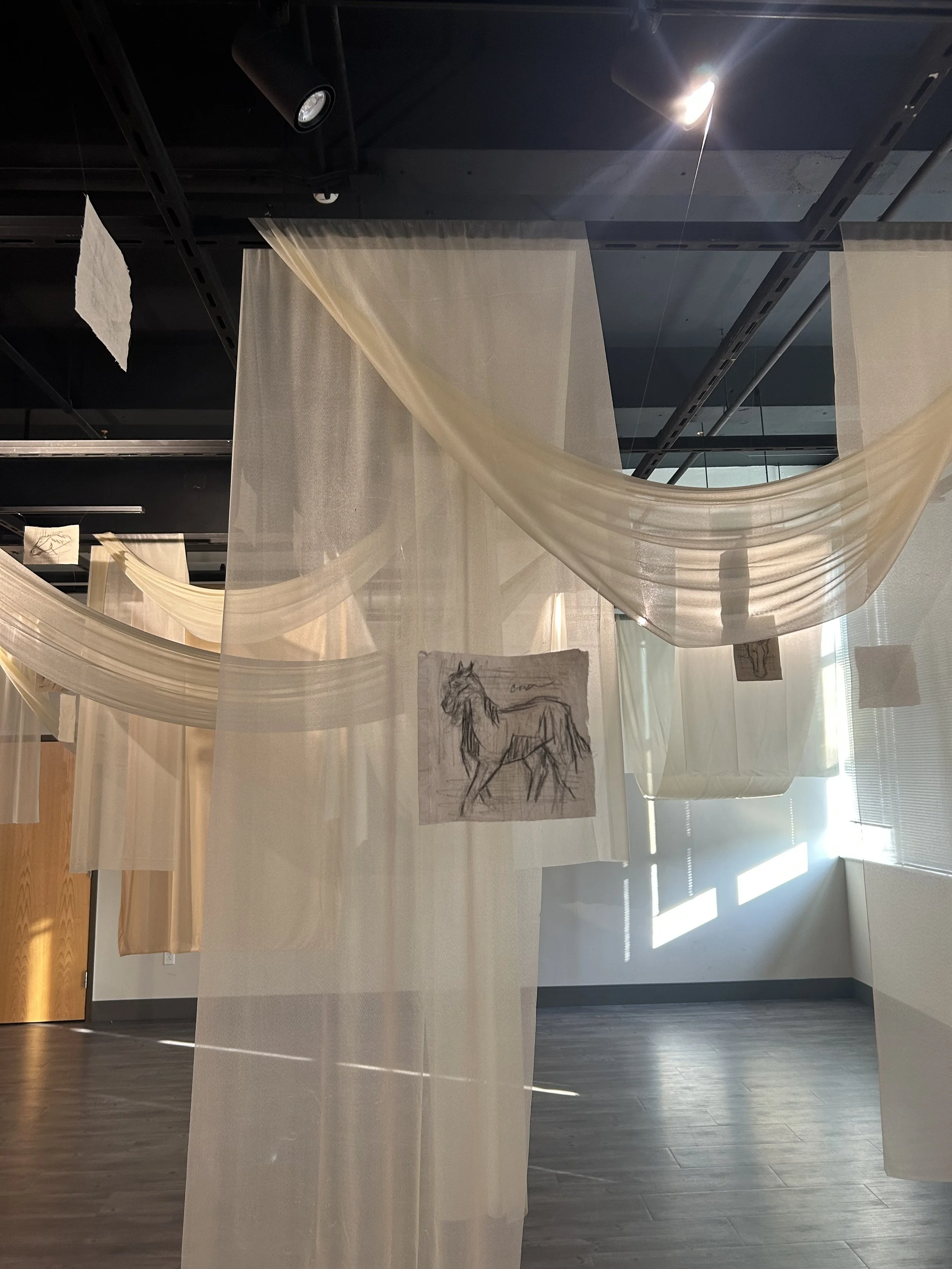
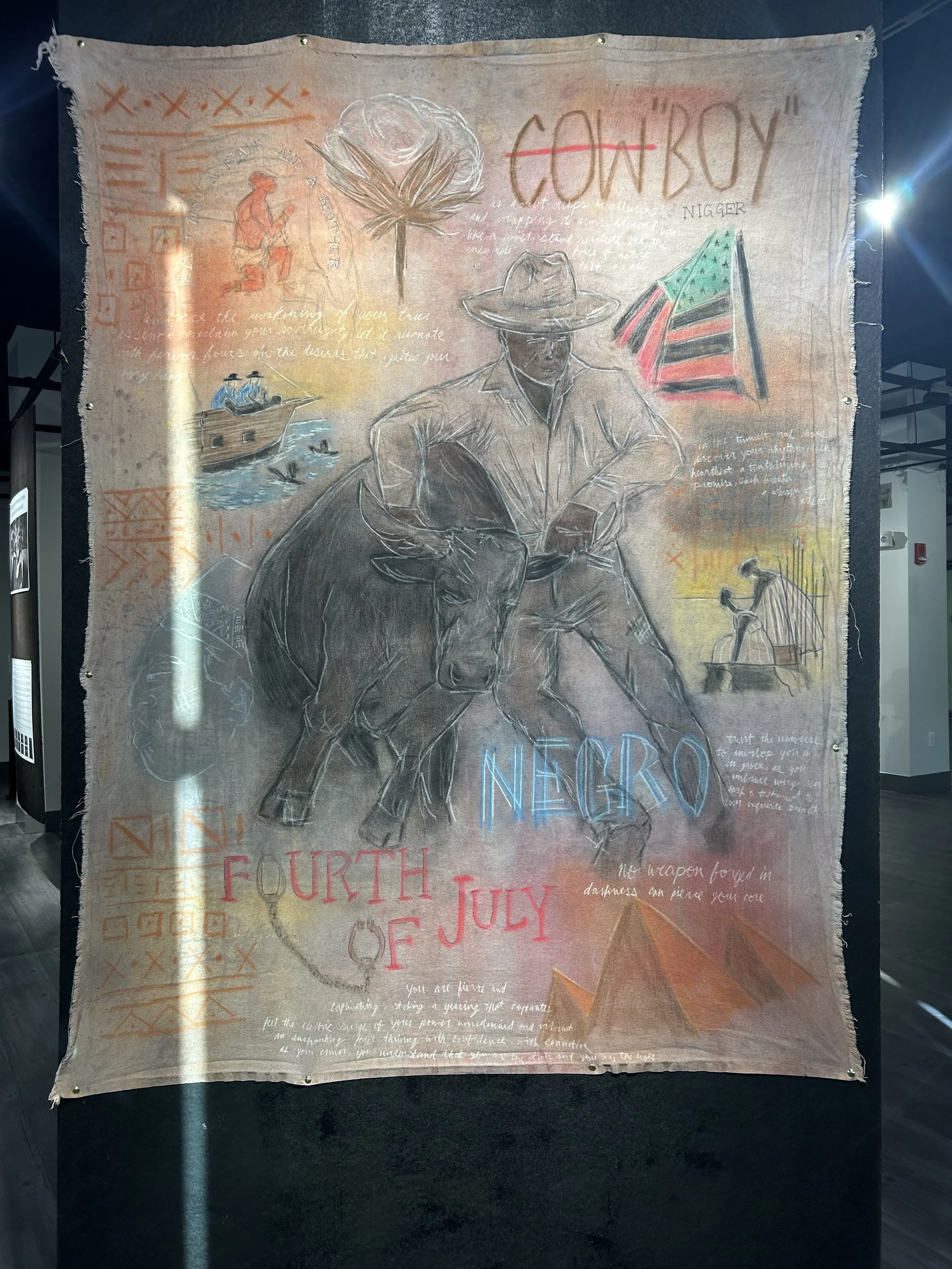
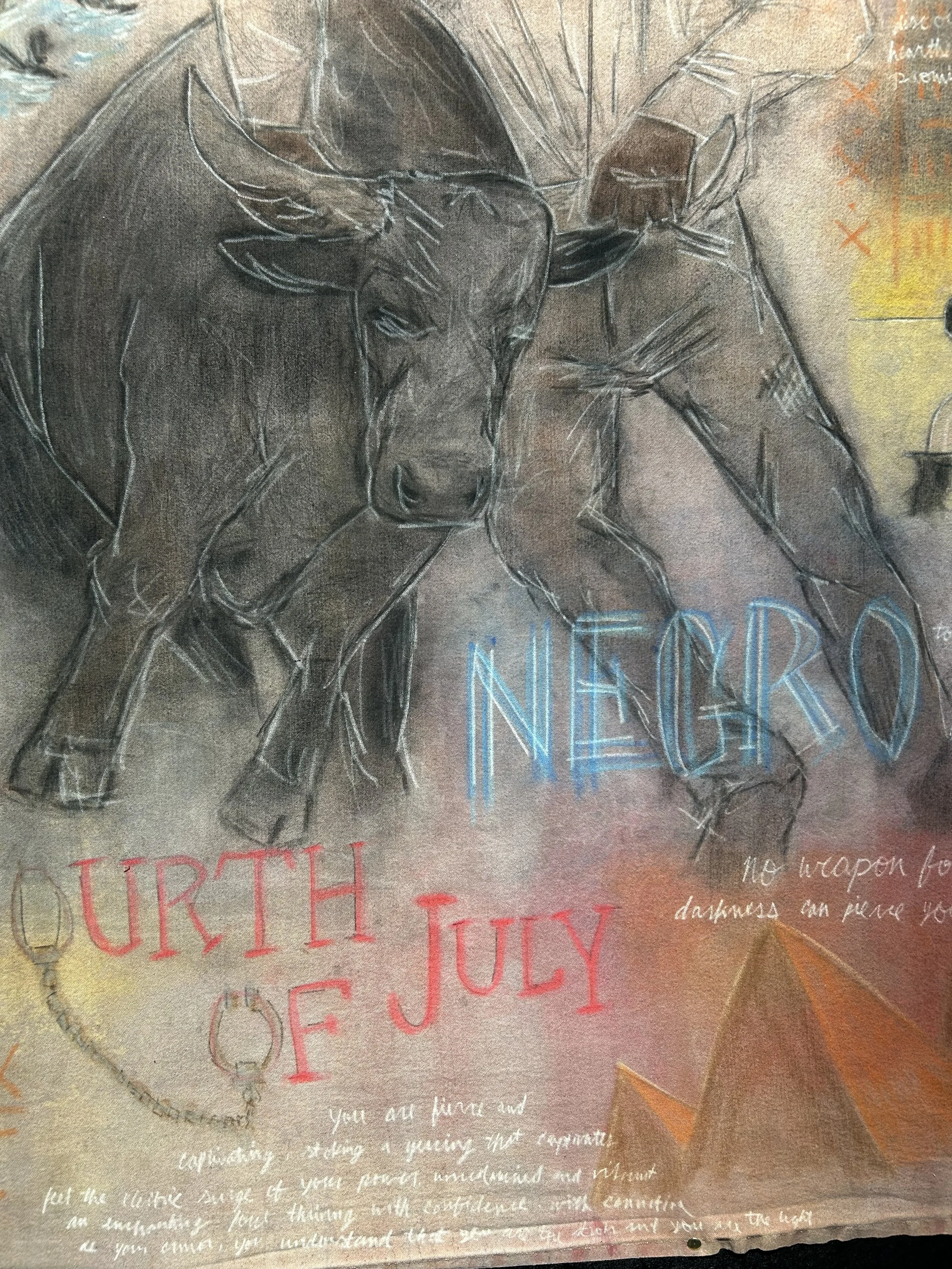
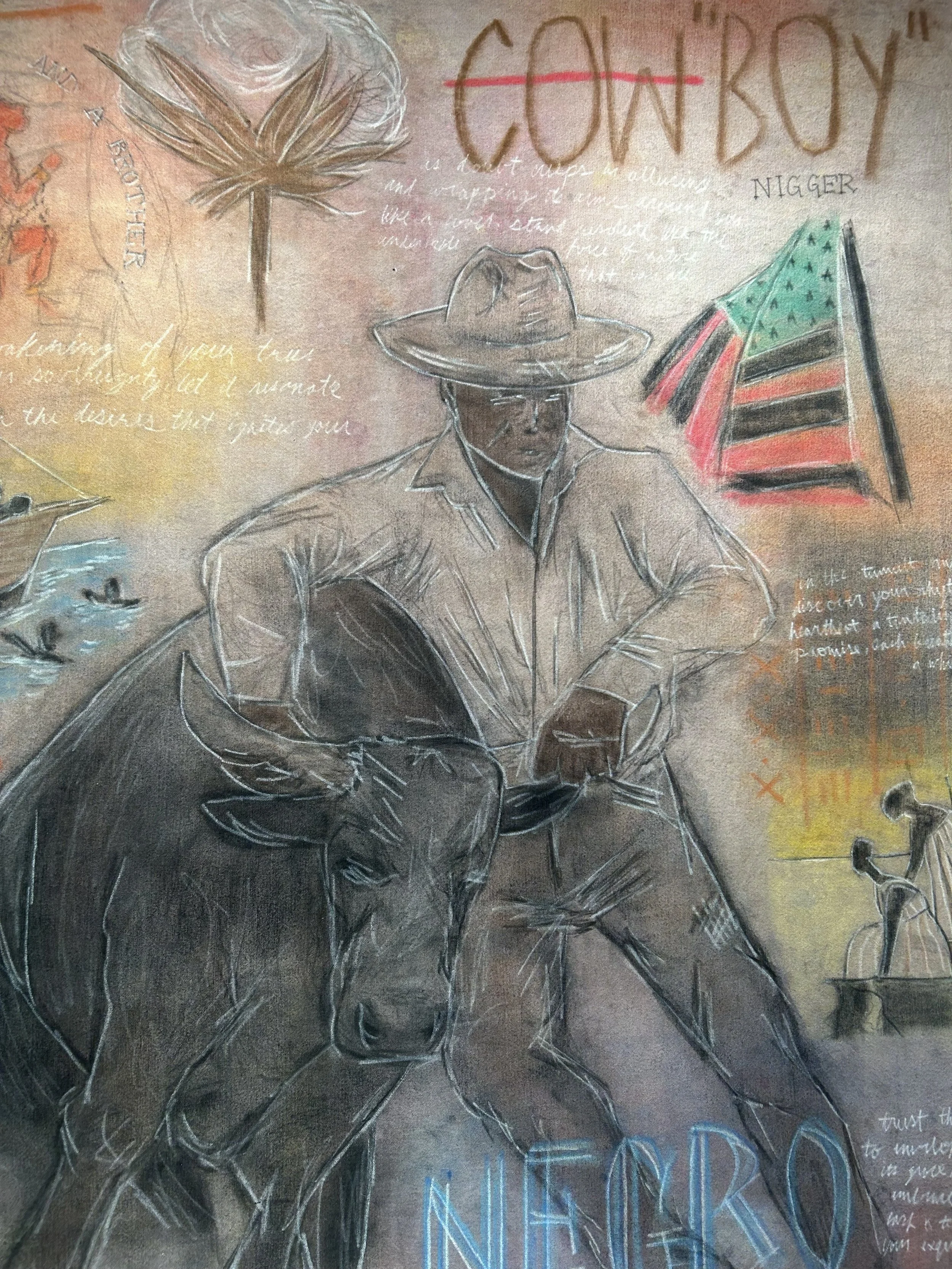
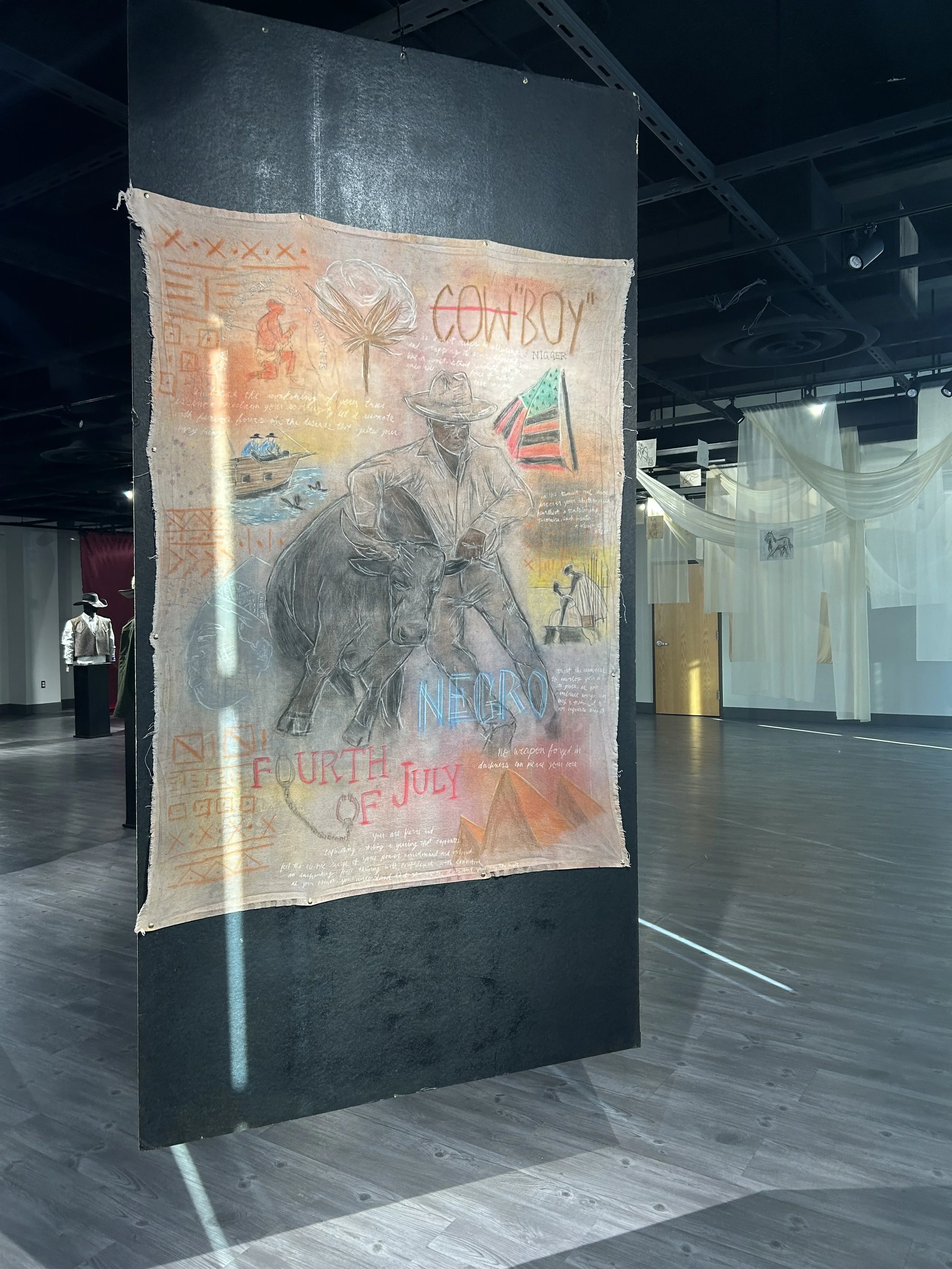
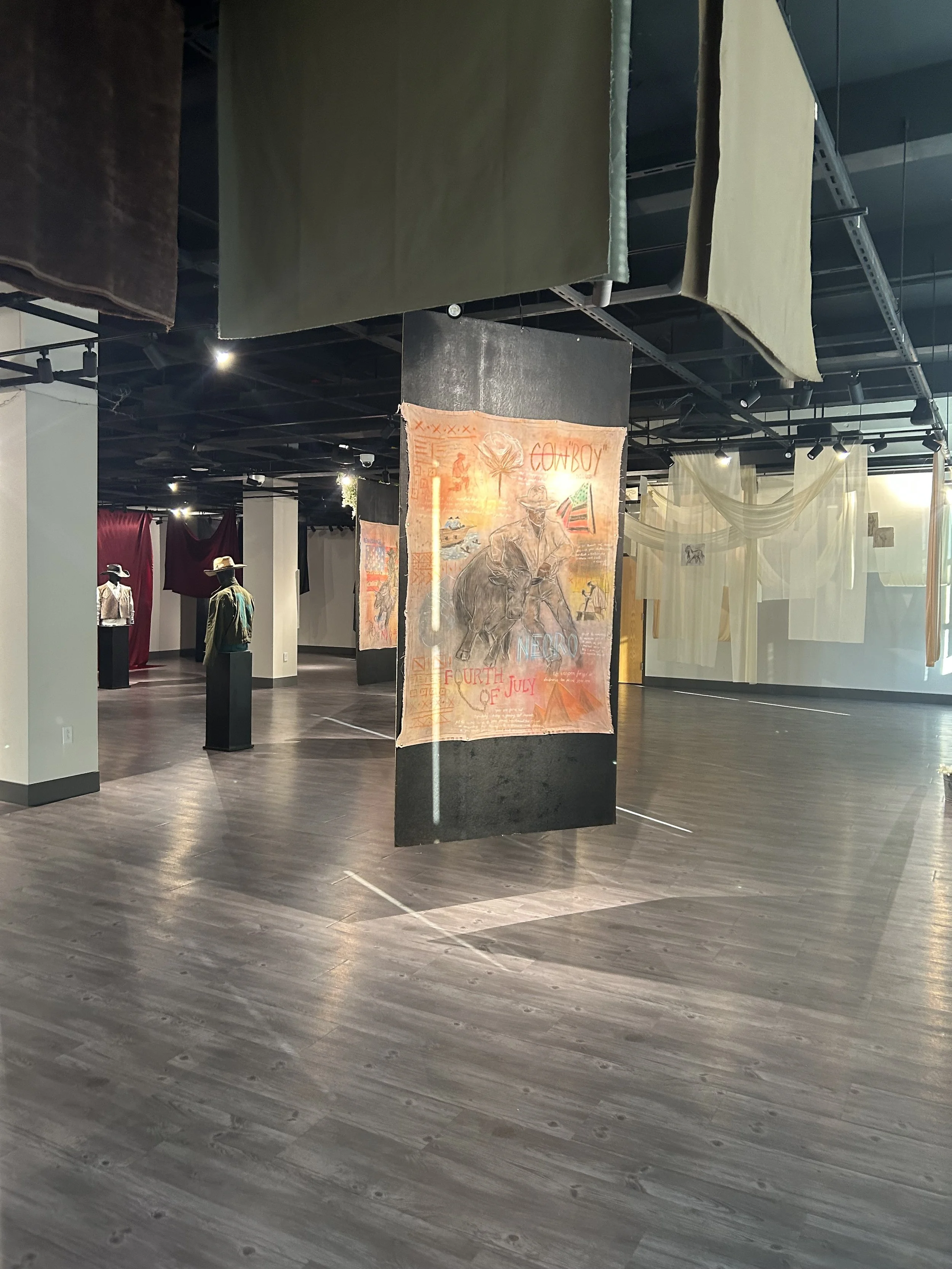
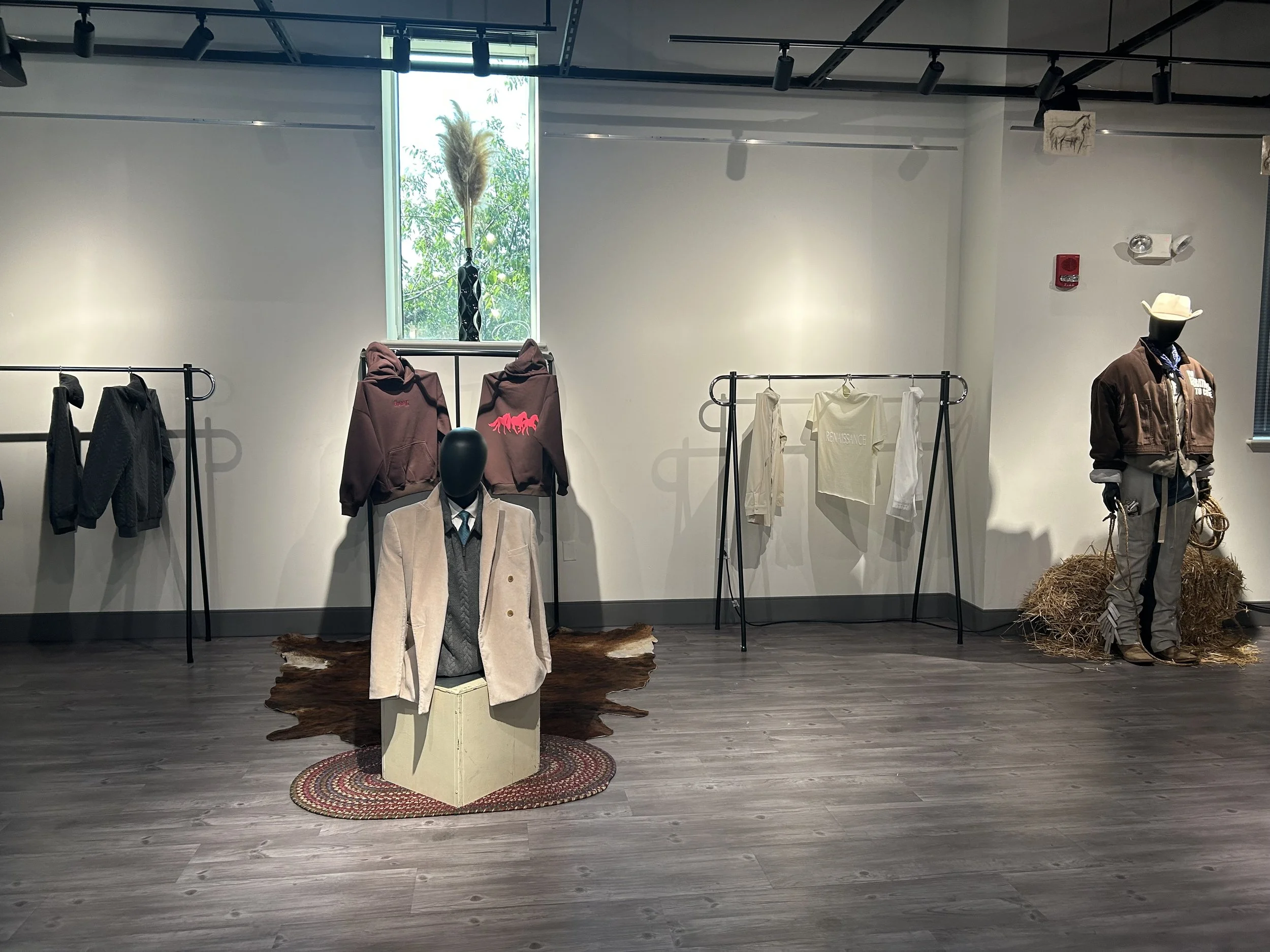
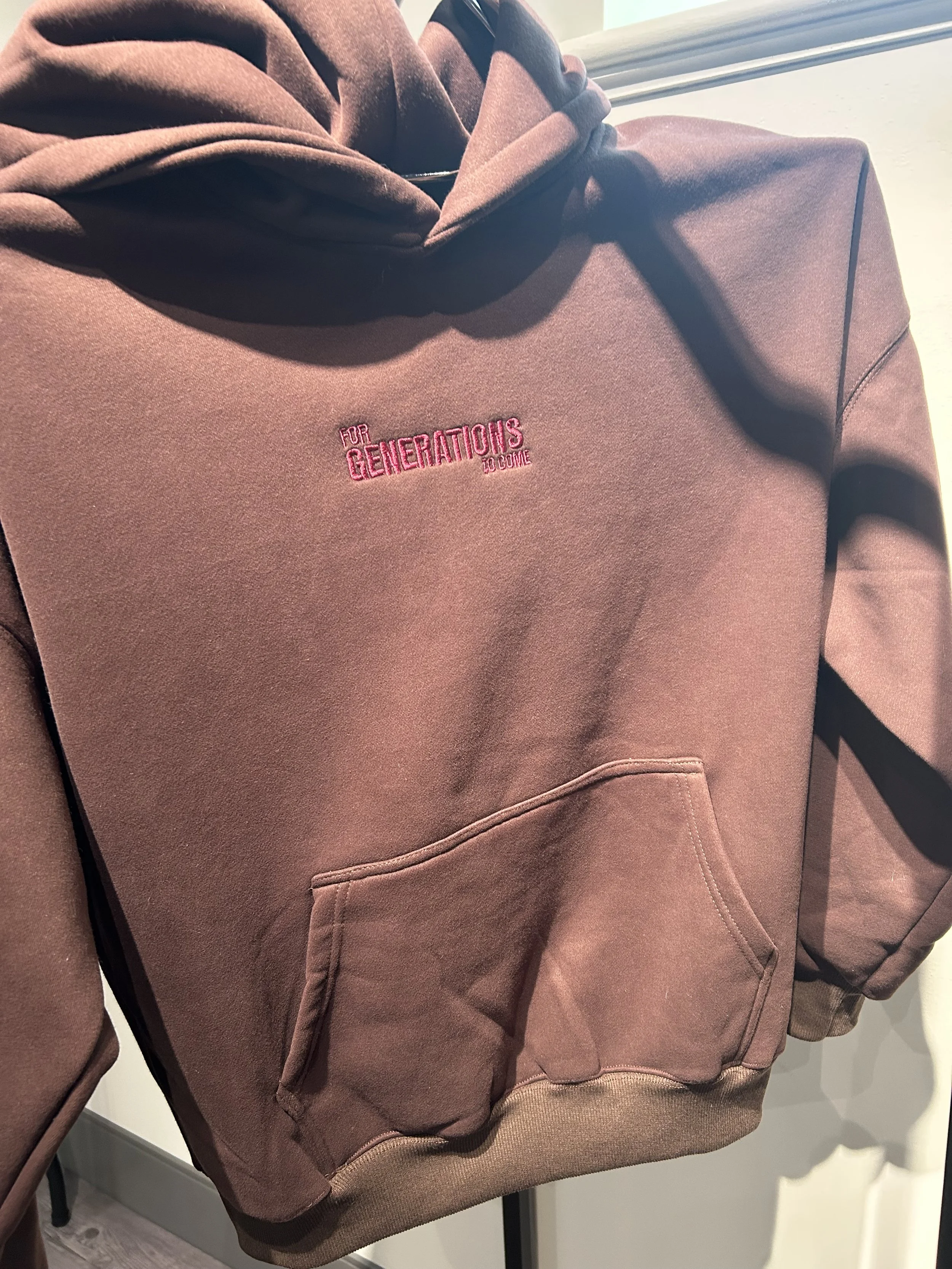
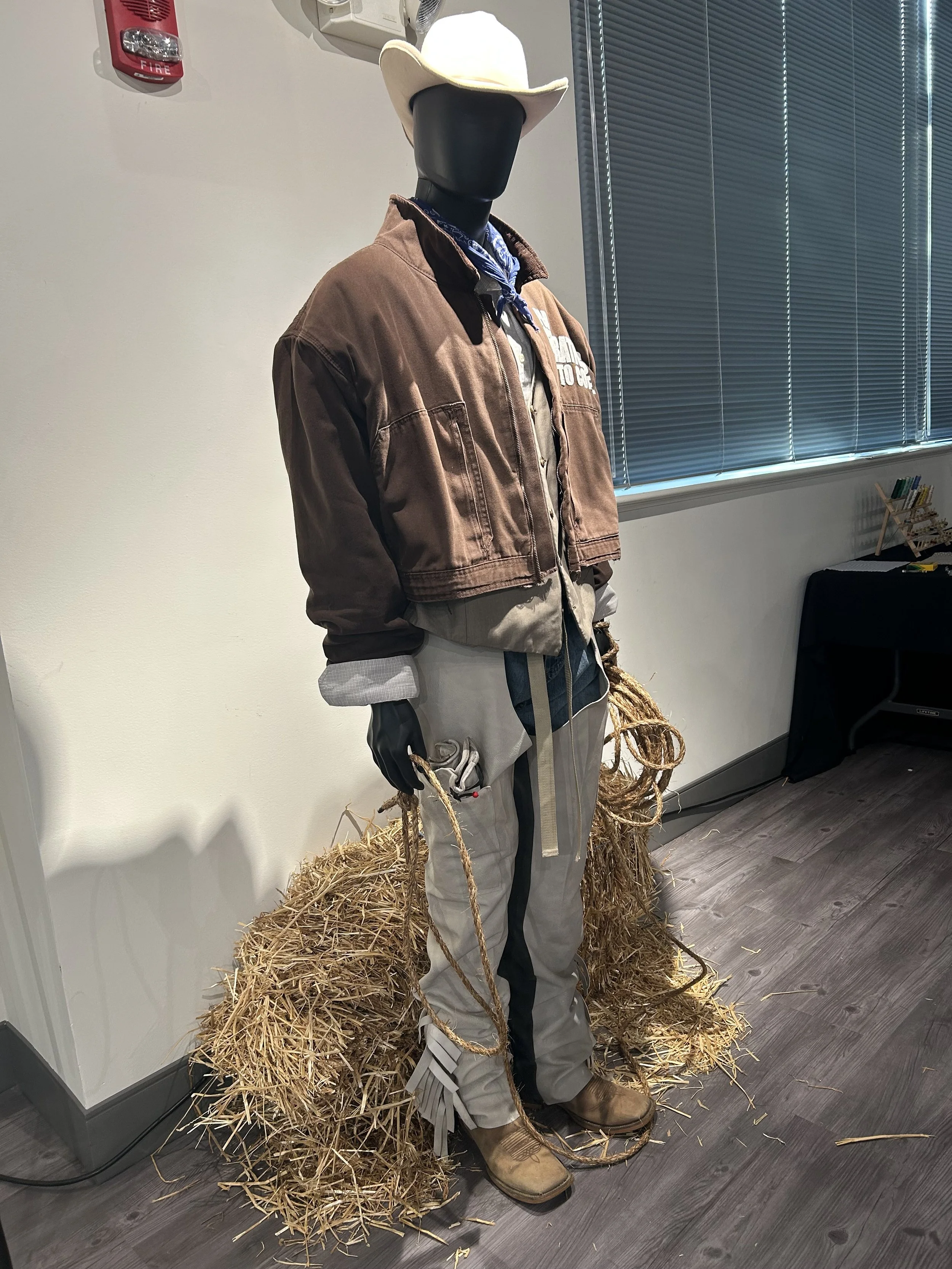
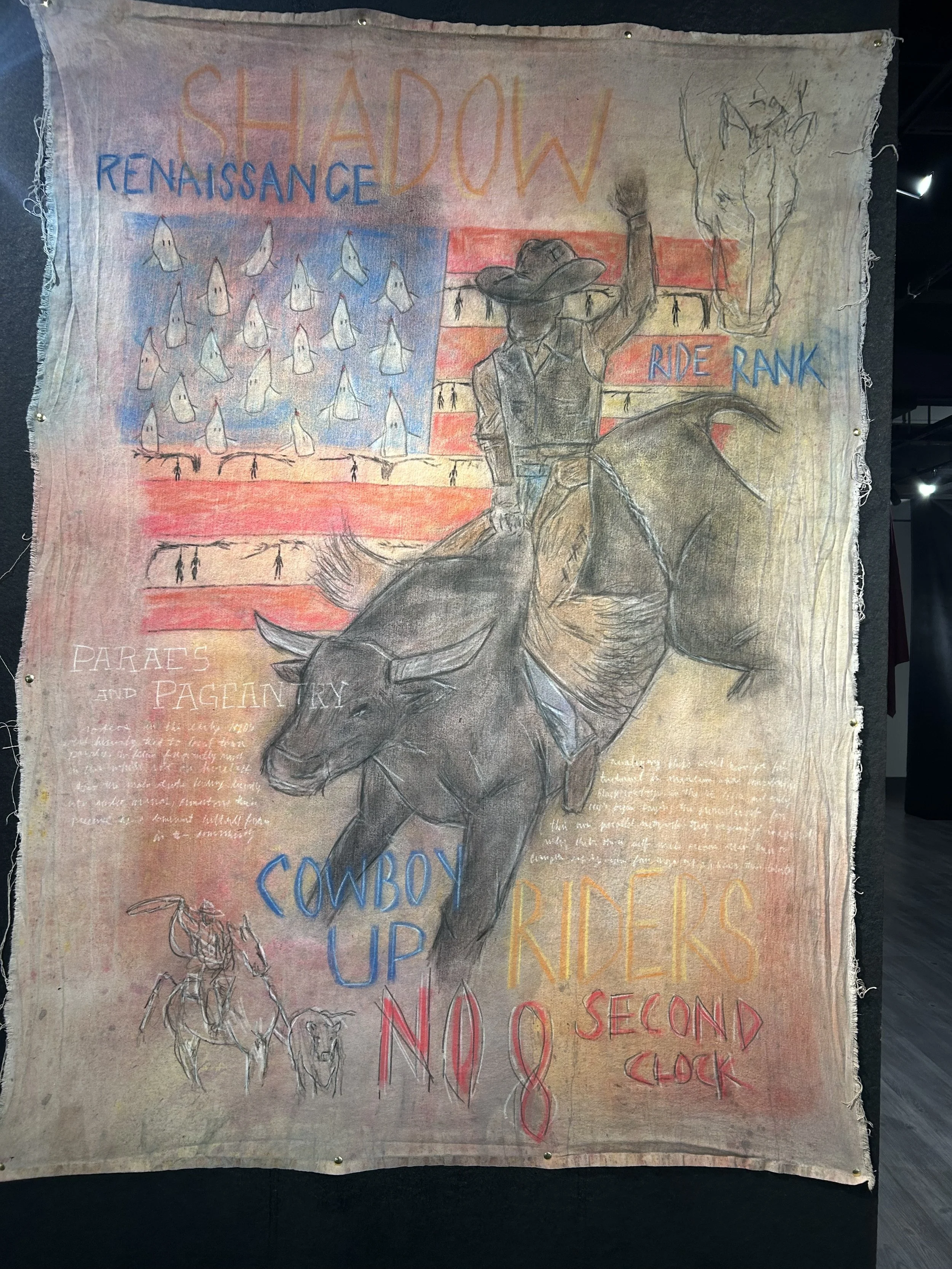
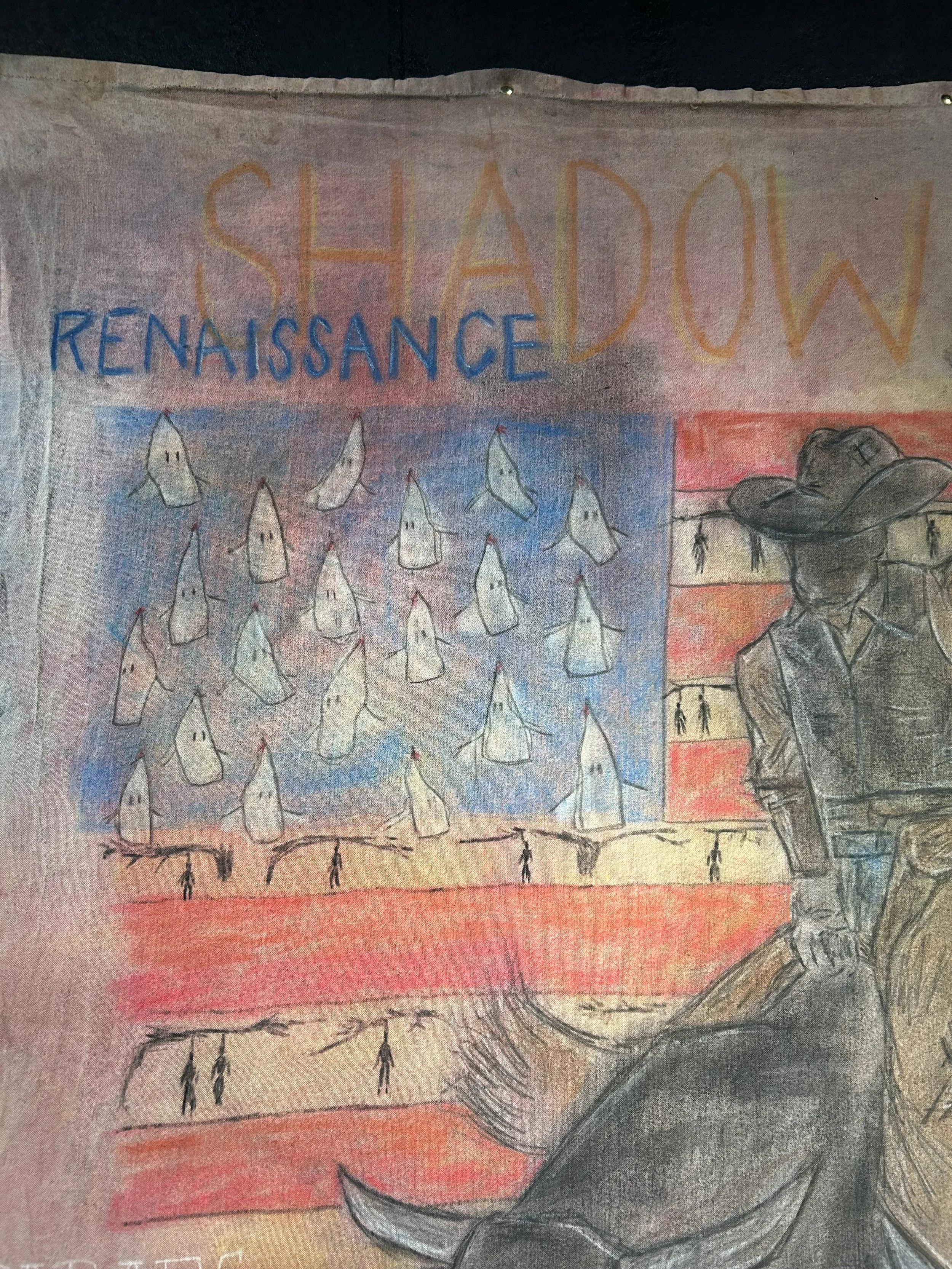
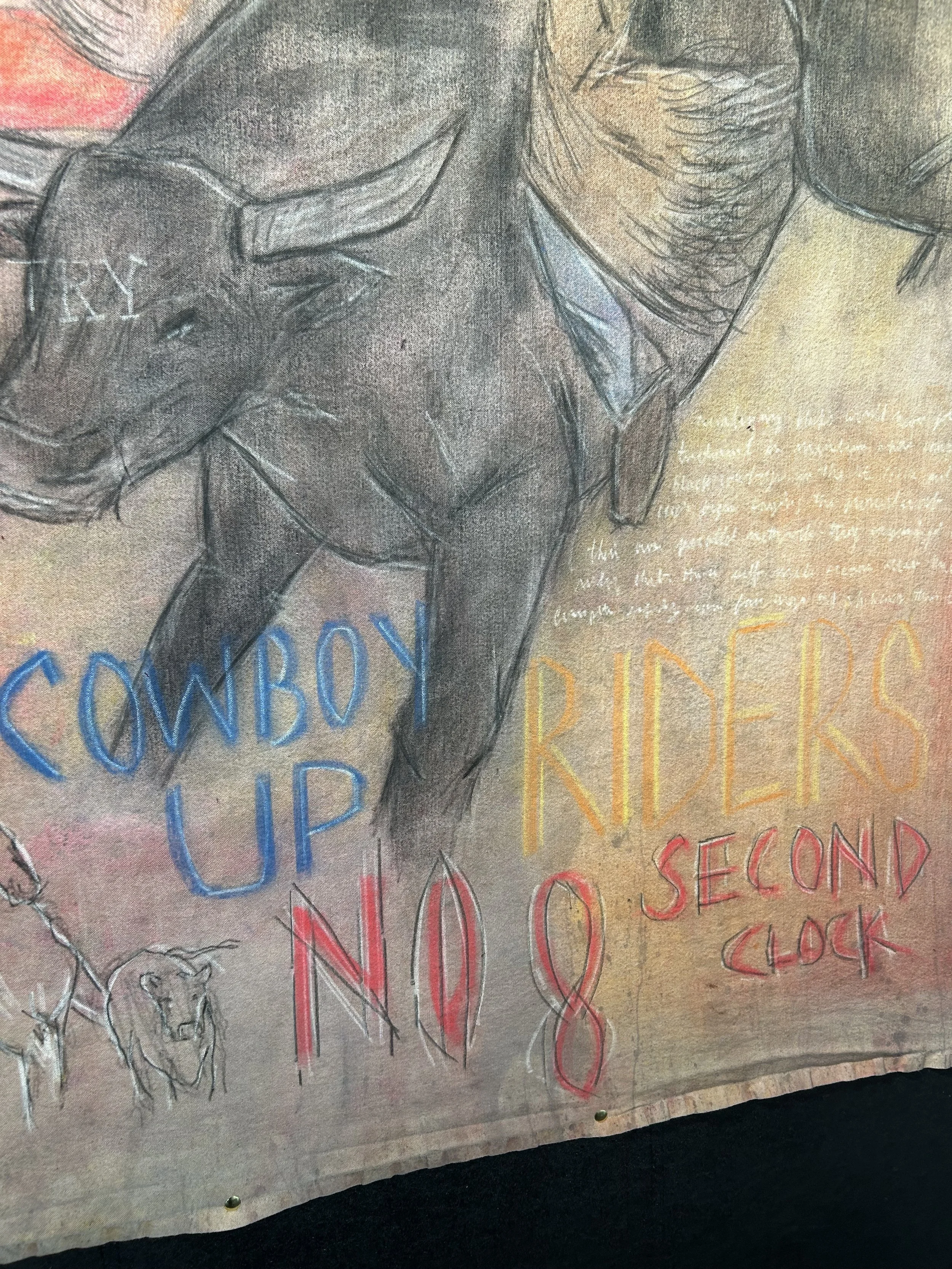
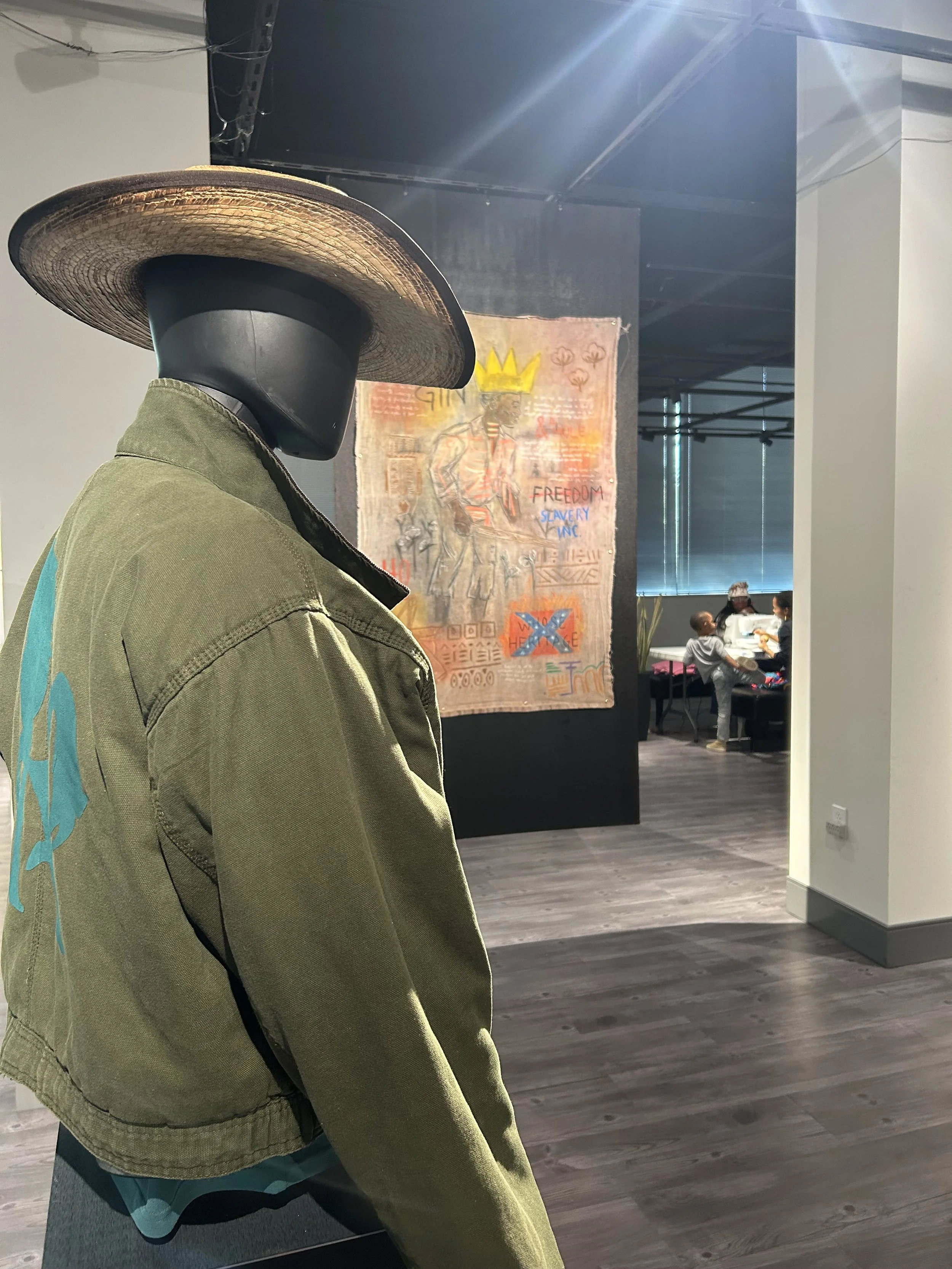
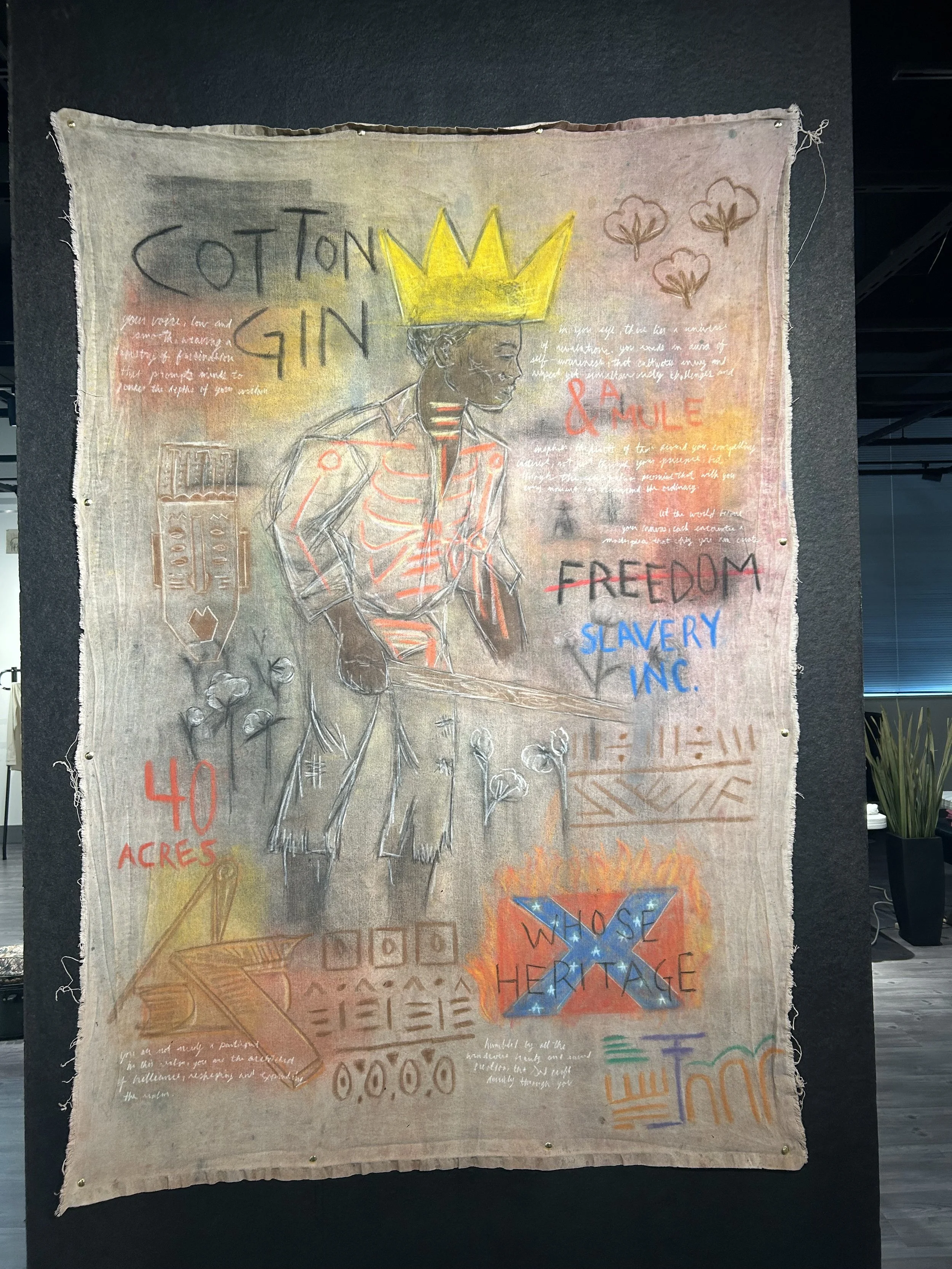
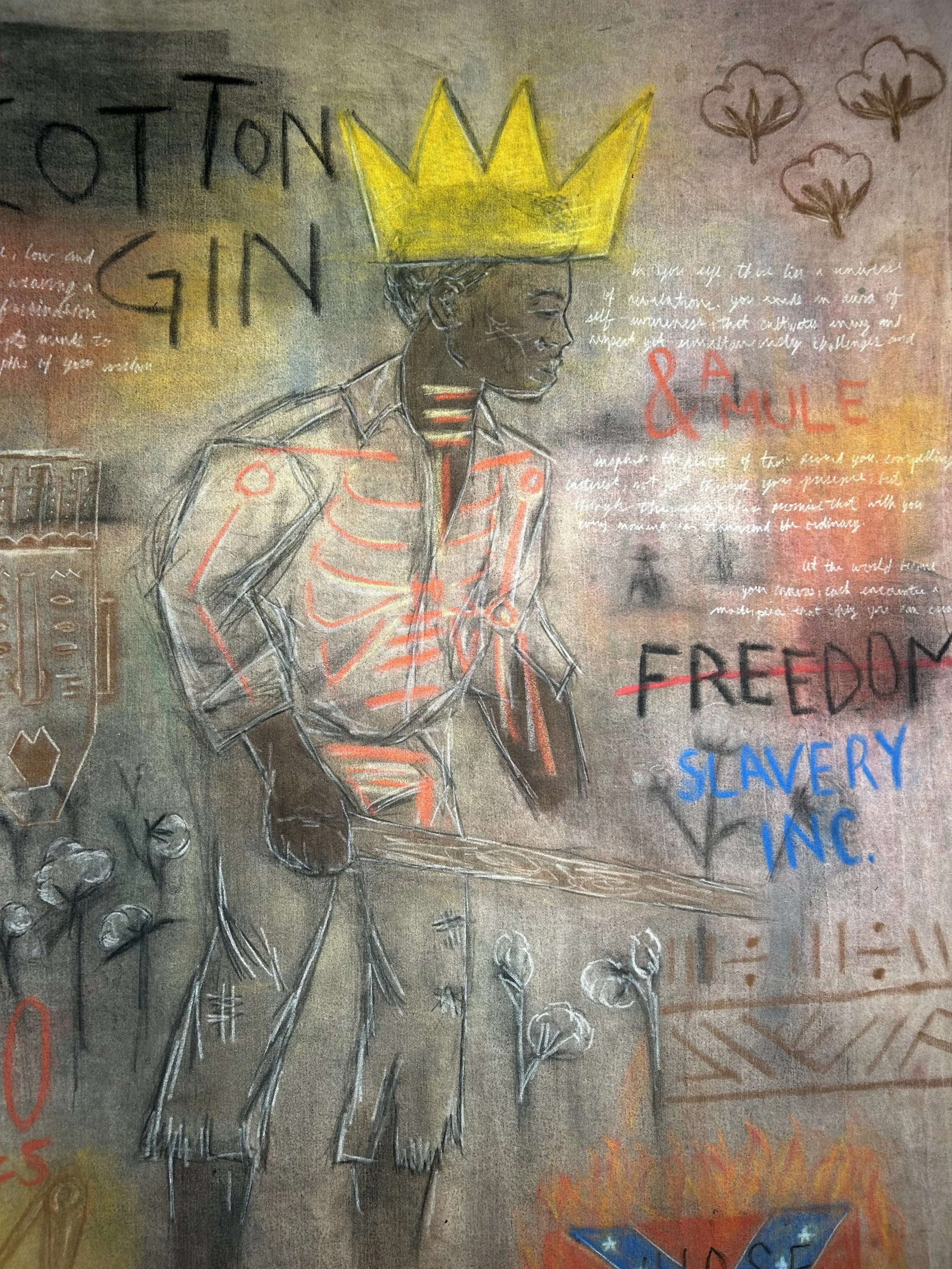
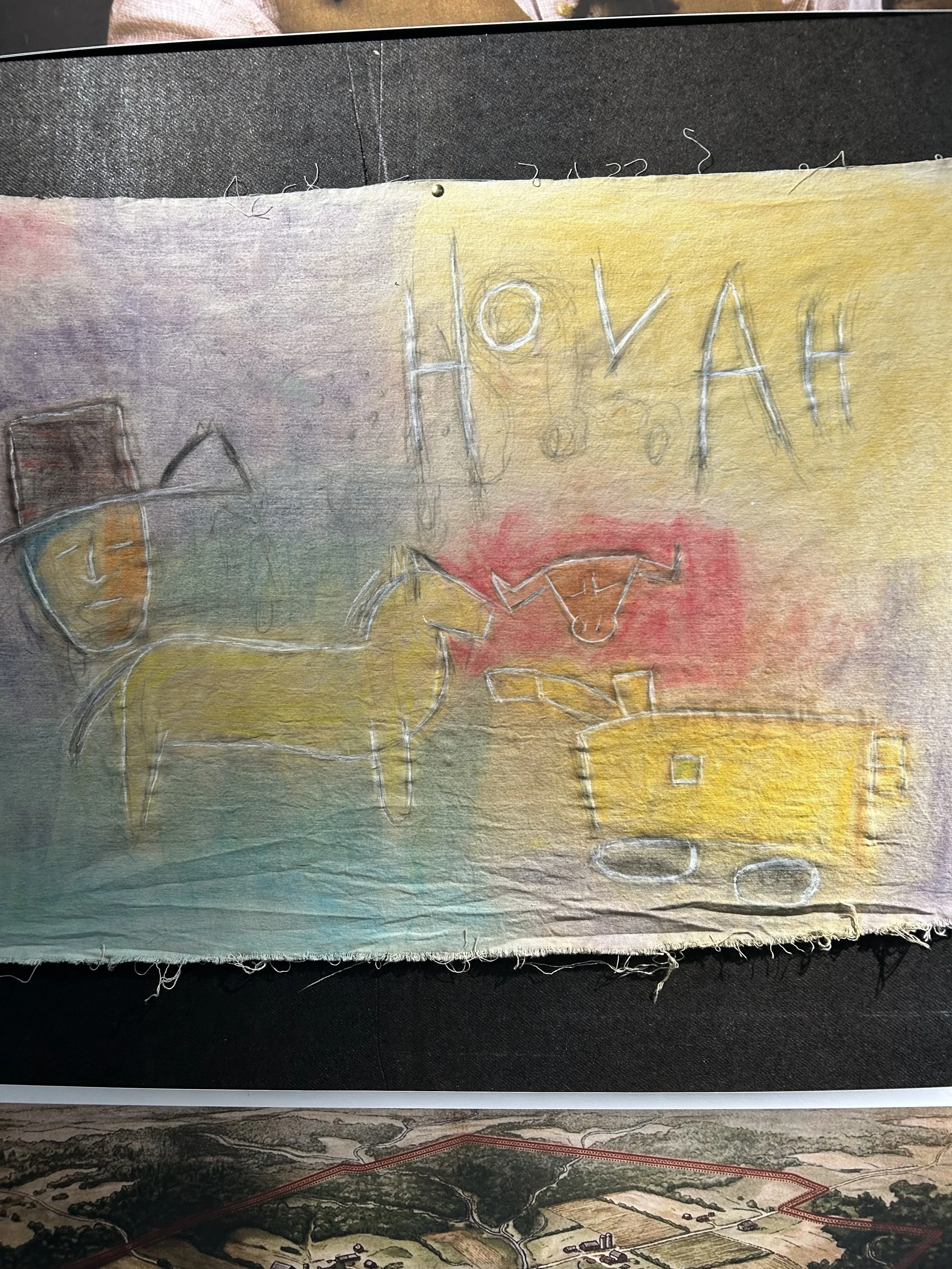
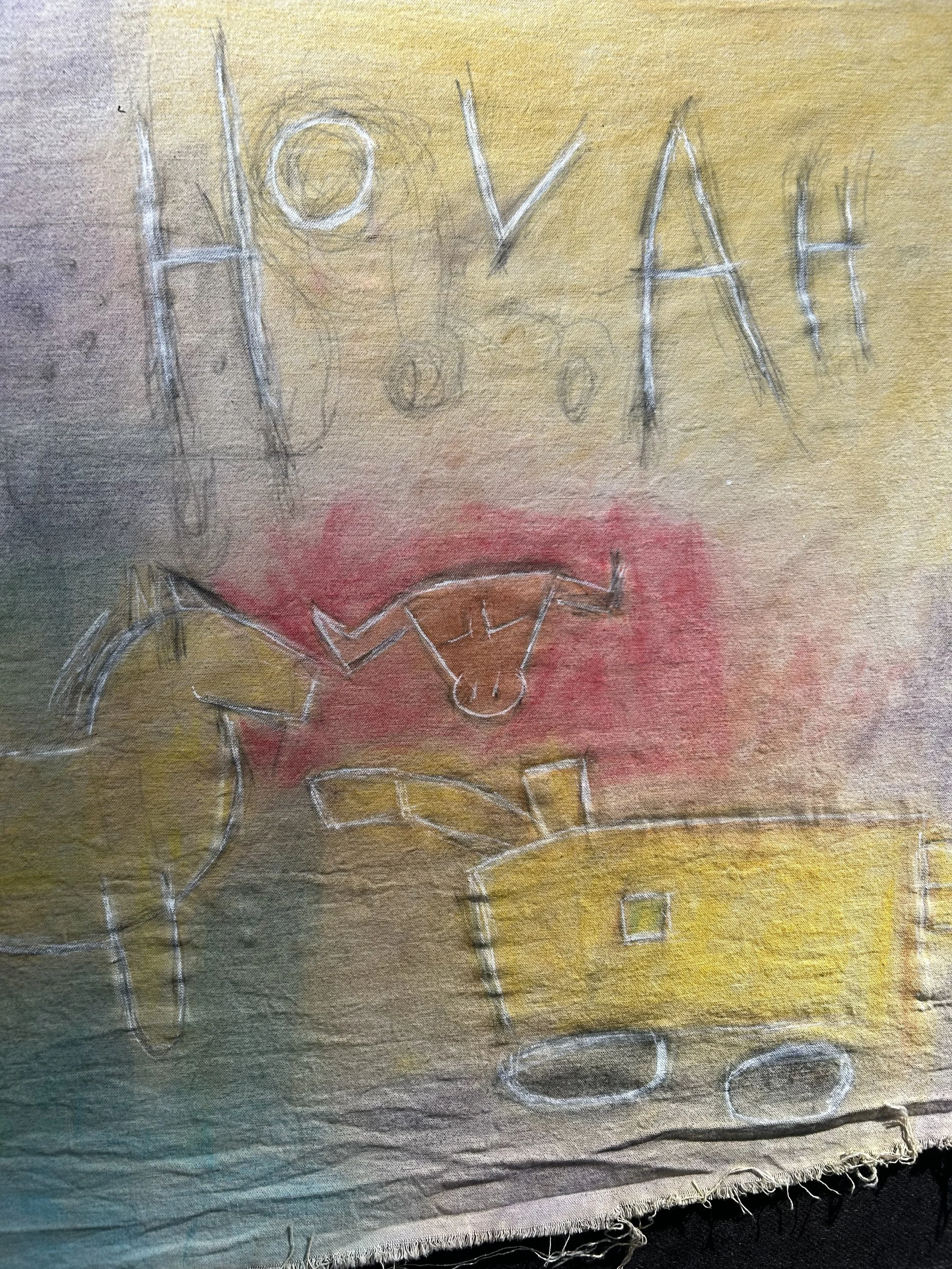
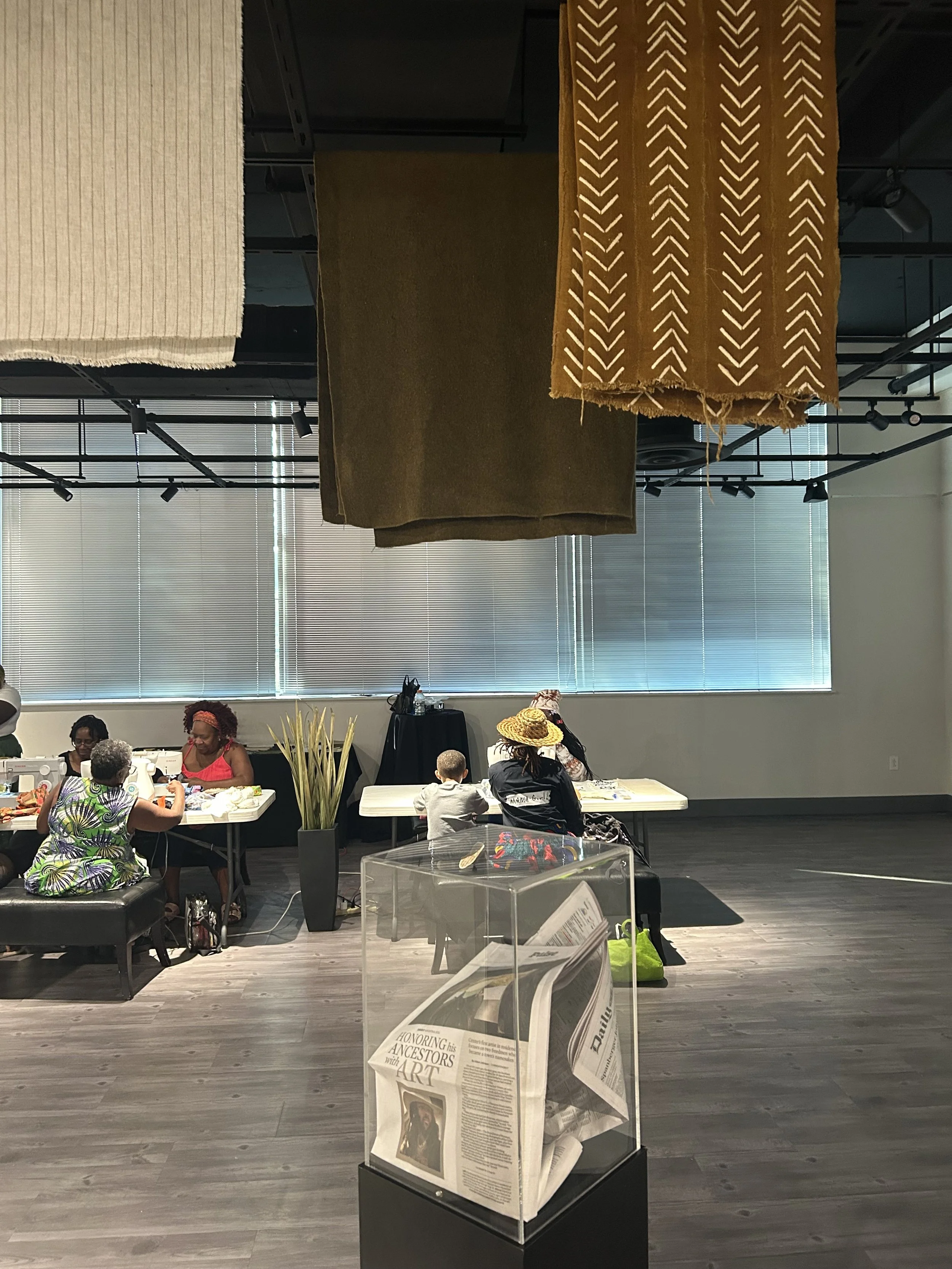
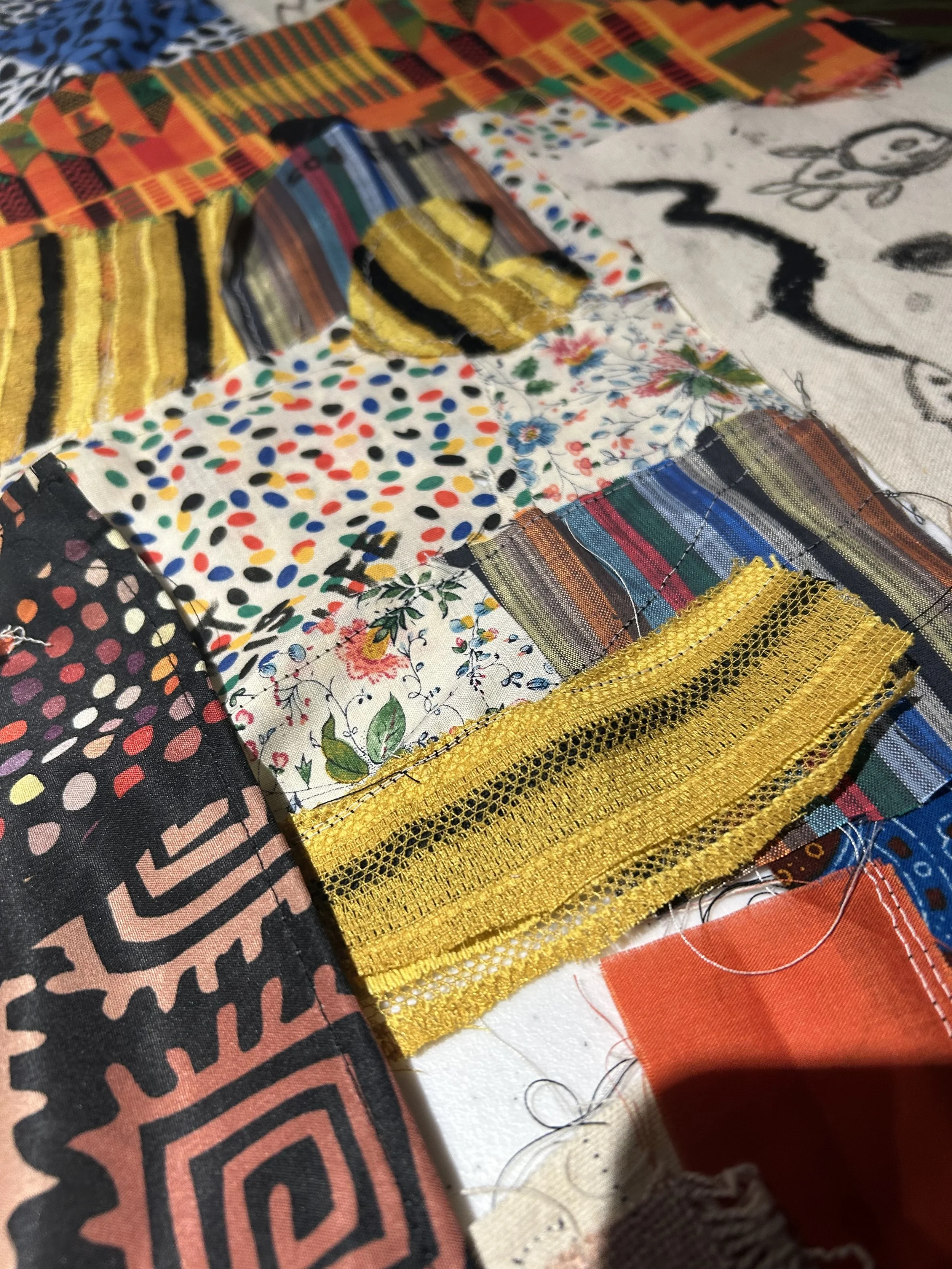
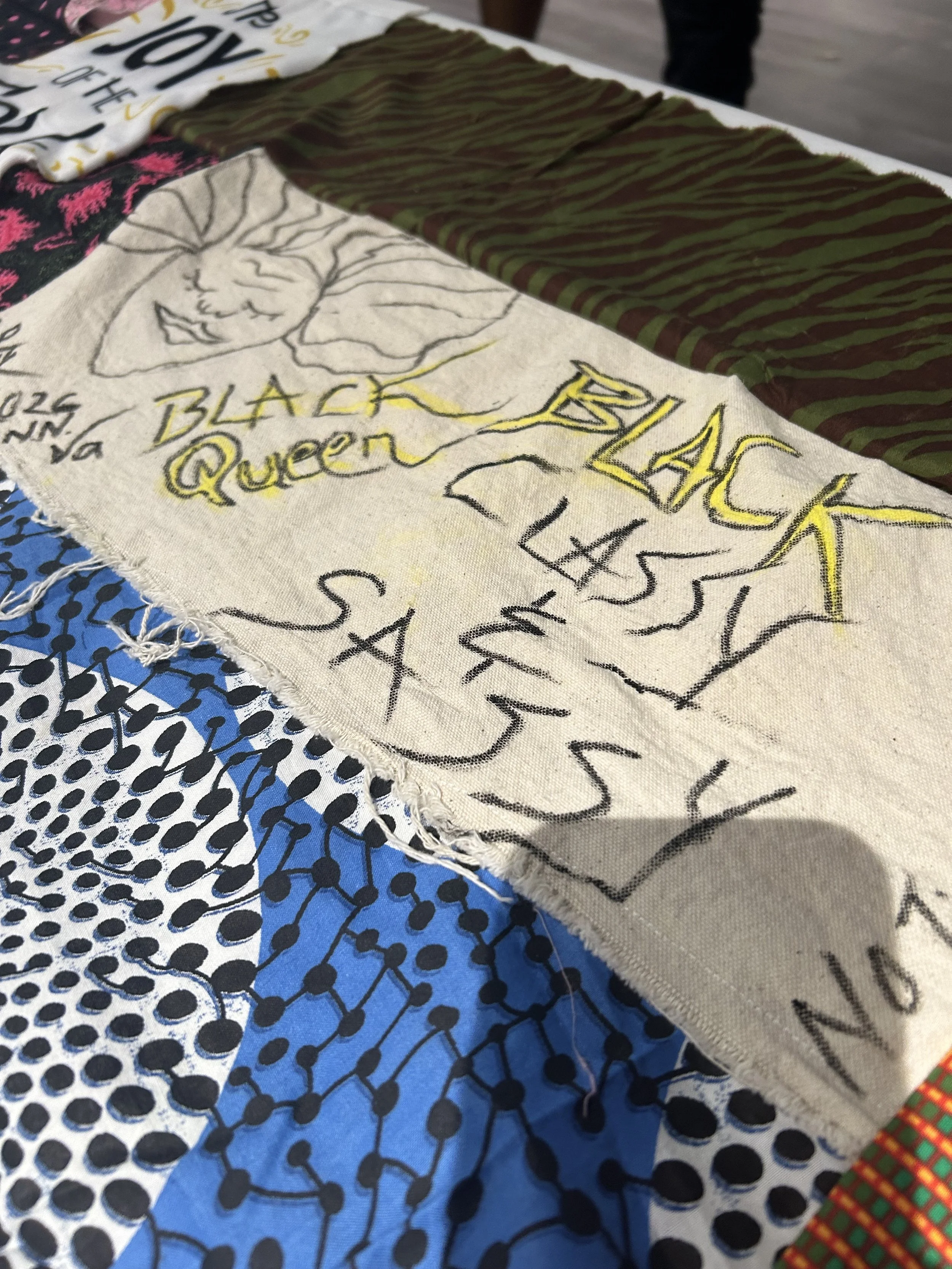
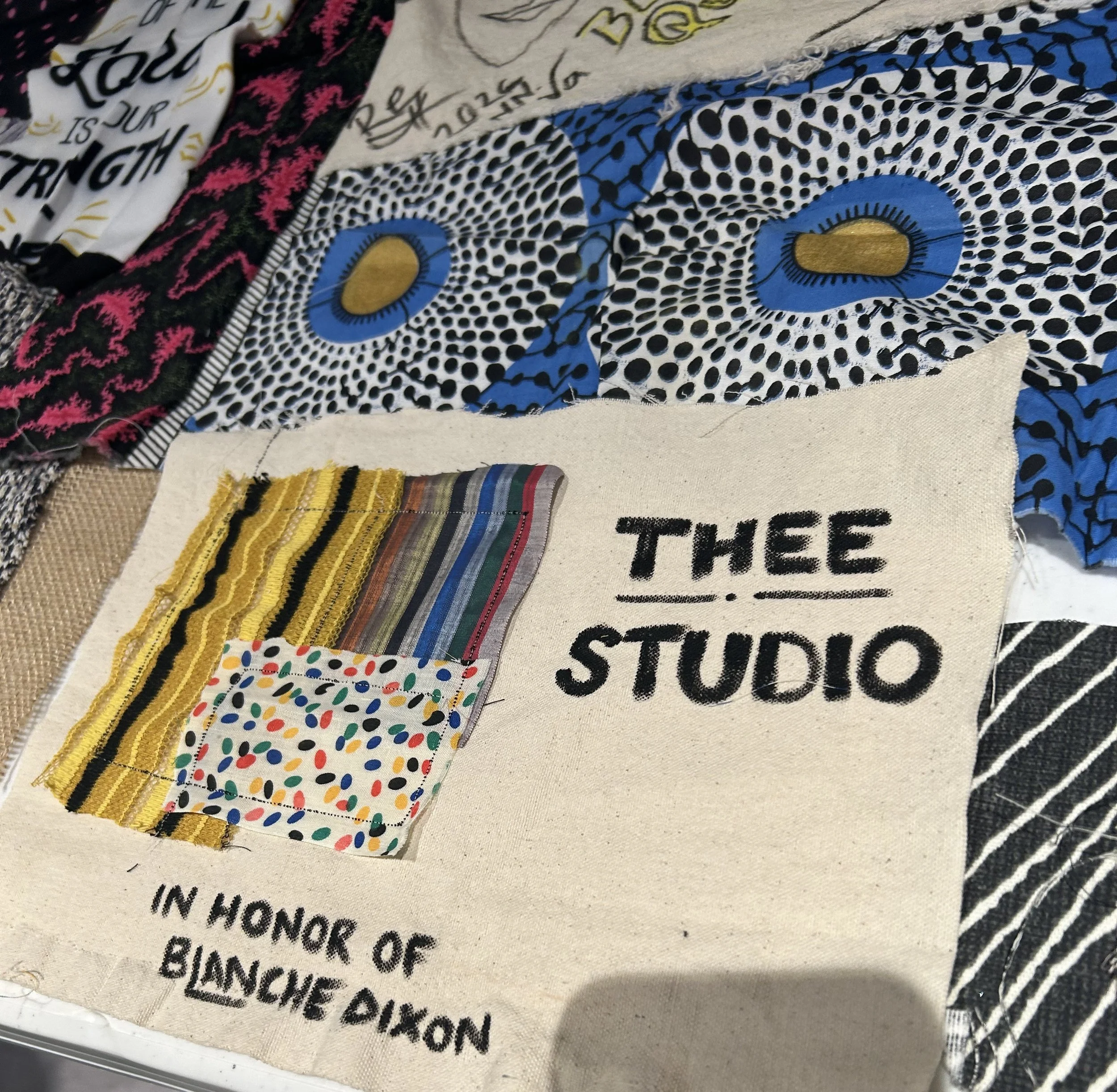
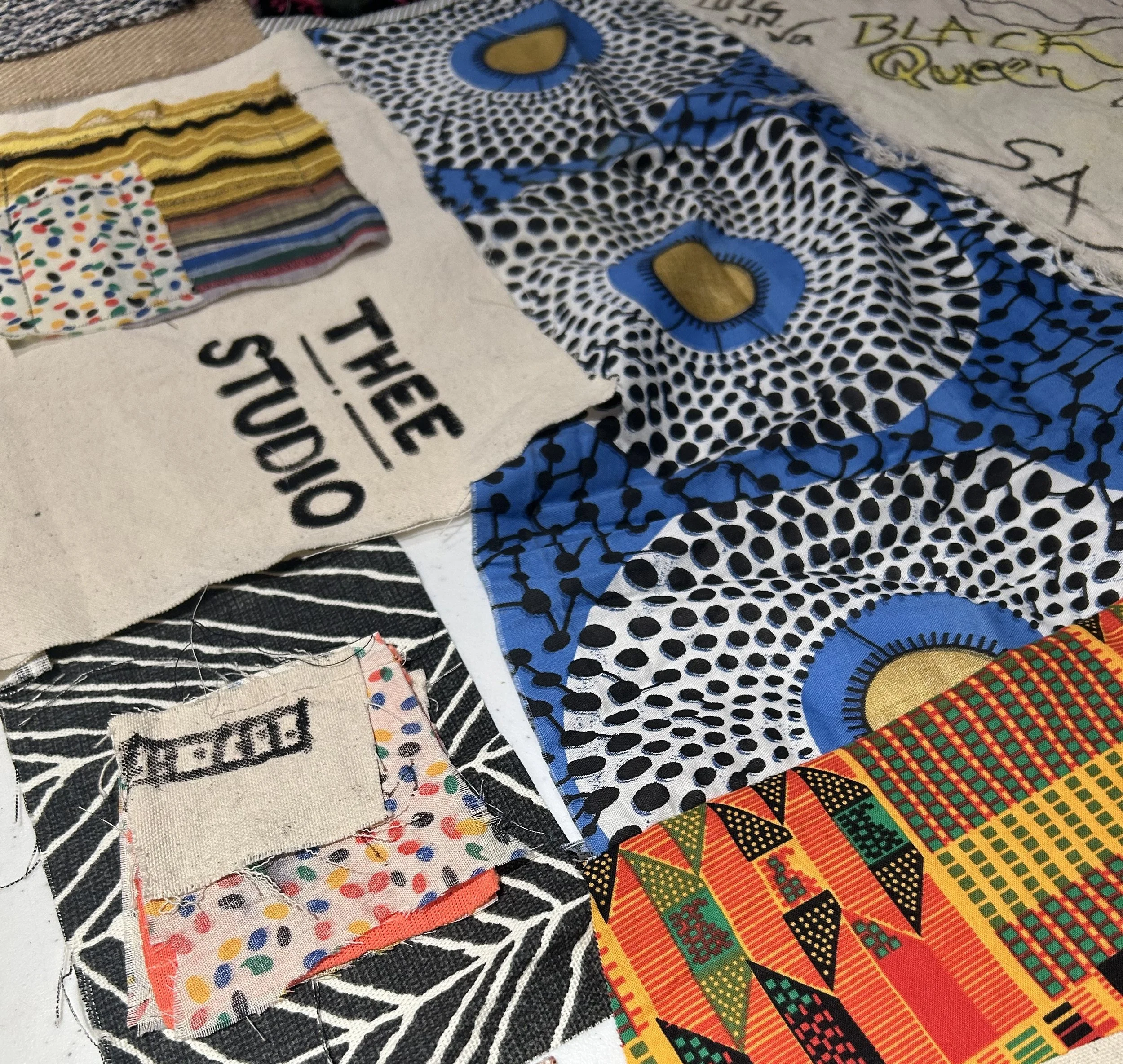
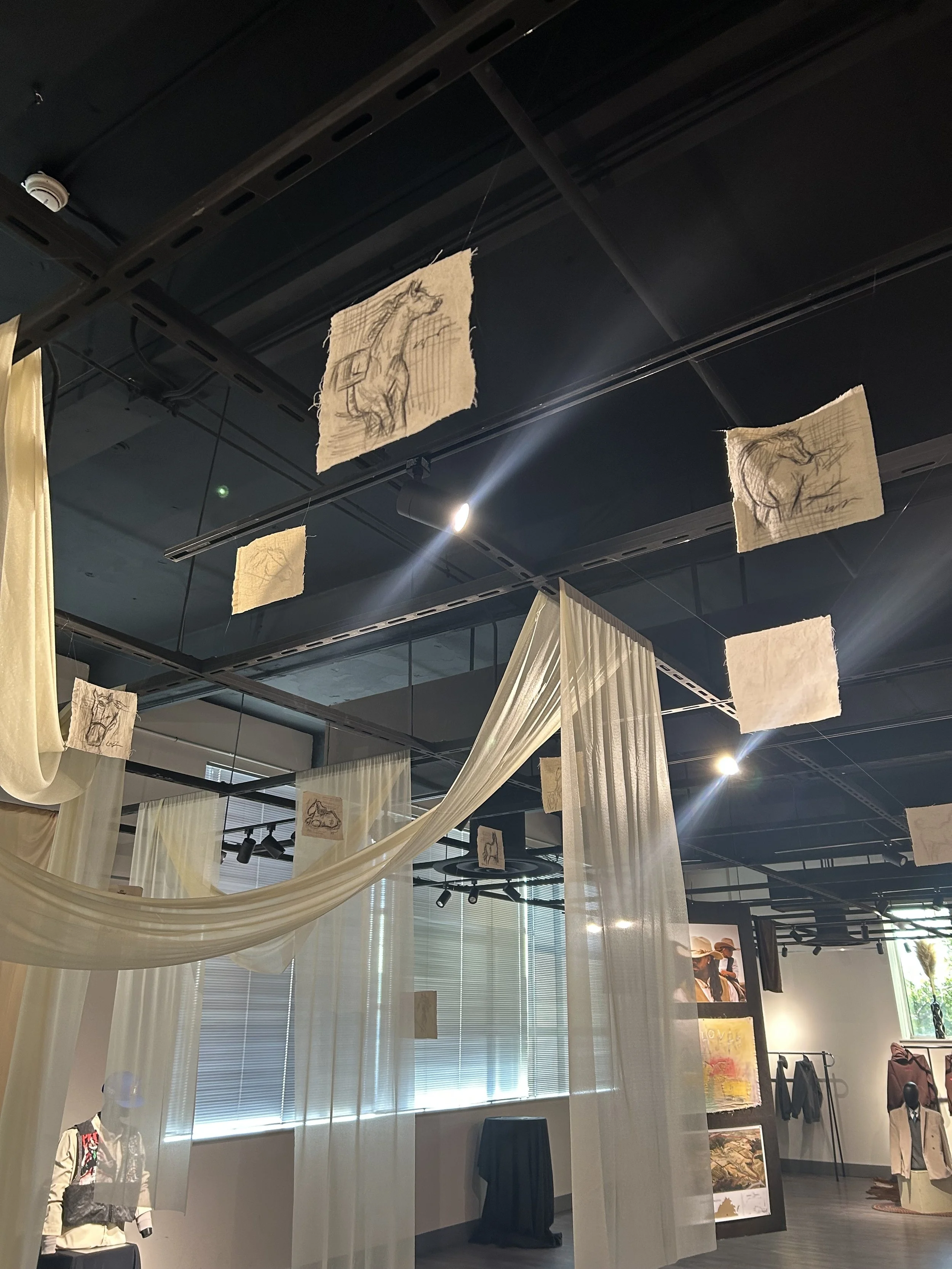
Christopher Diont'e returns with "ANCESTRAL SOIL: 1865 - THE FOUNDATION OF FREEMAN, VIRGINIA”. This multi-media exhibition features a mix of paintings, drawings, textiles, a garment collection and original photographs based upon the history of the artist's family and their journey to freedom.
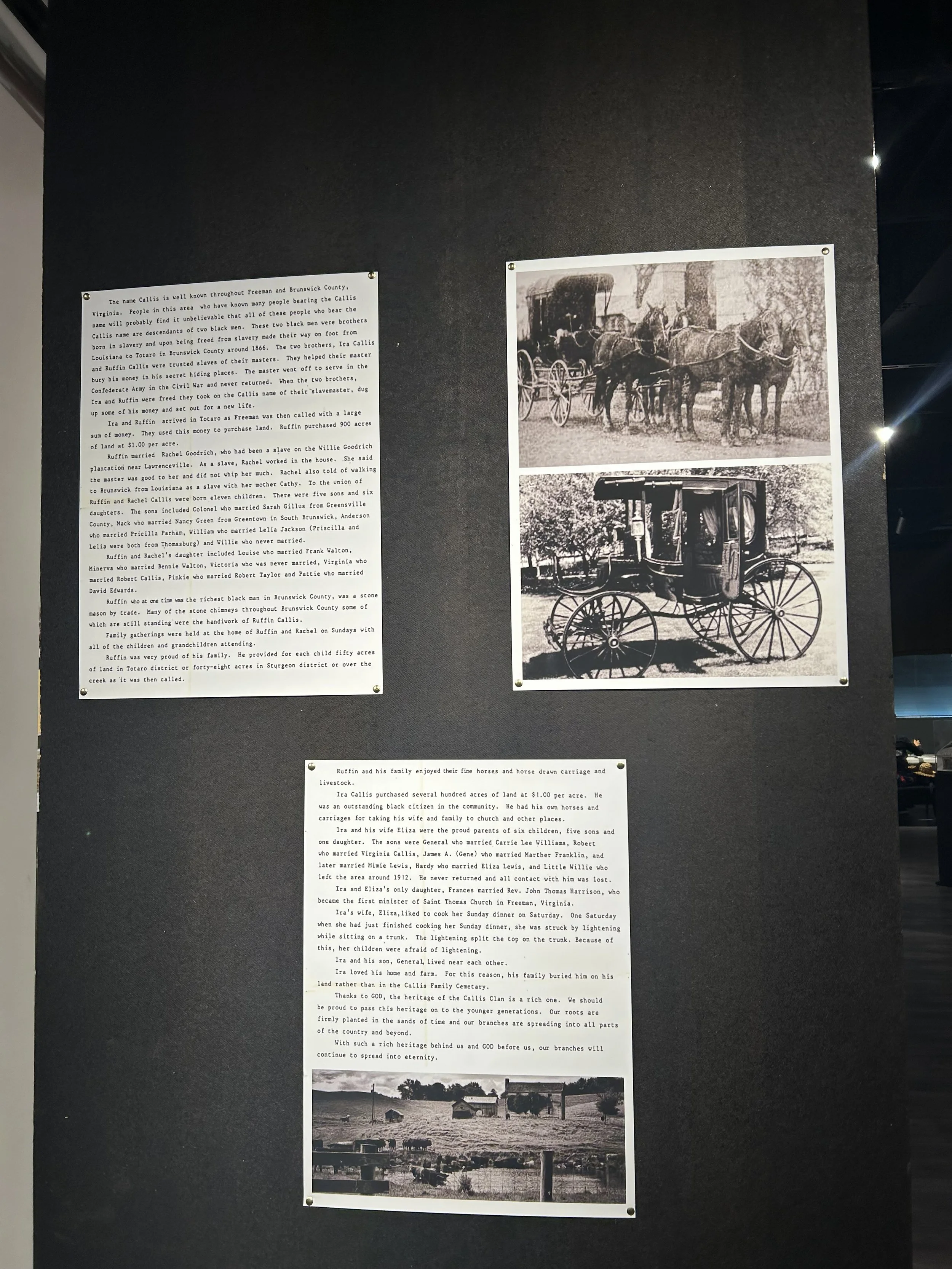
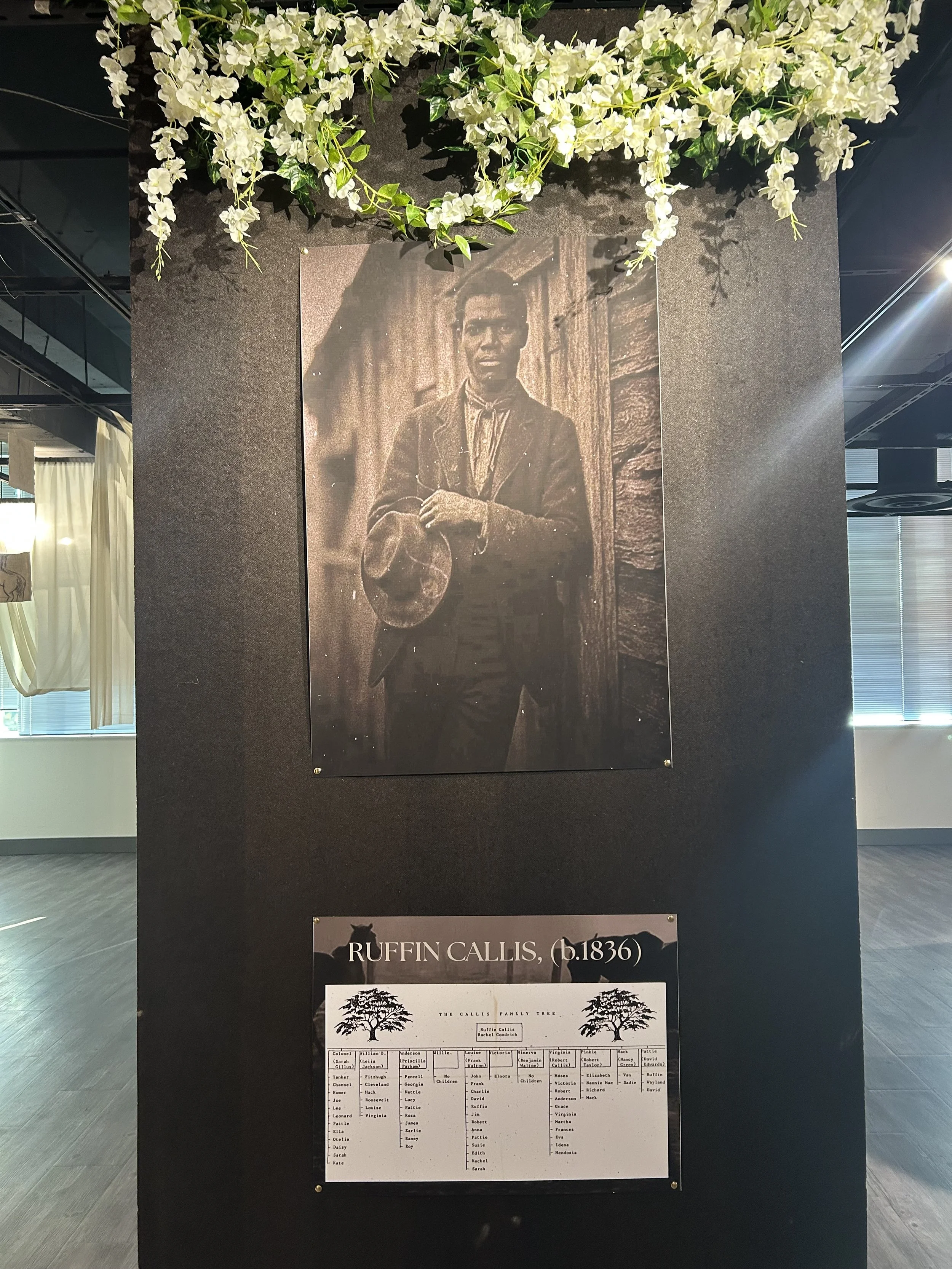
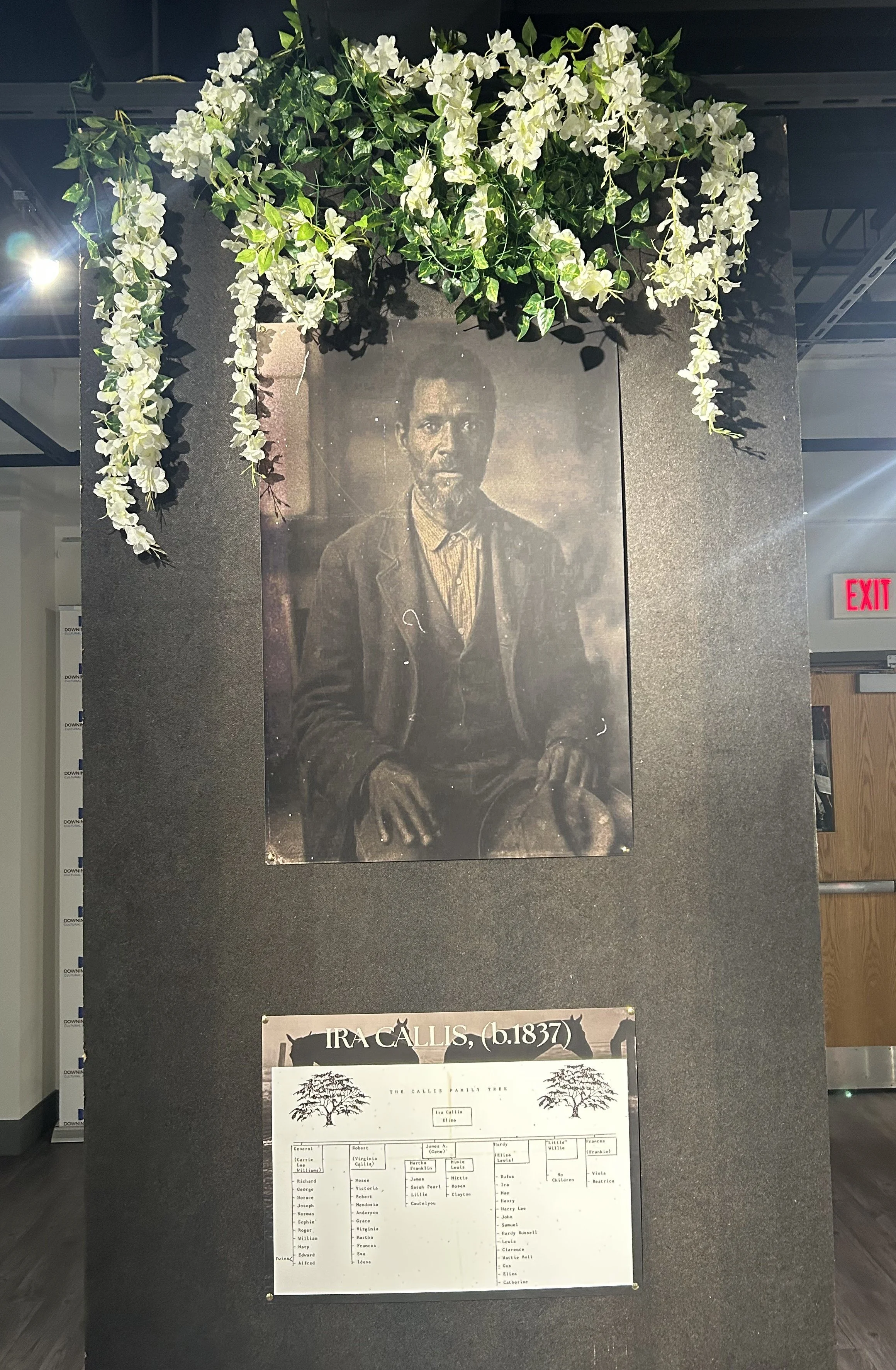
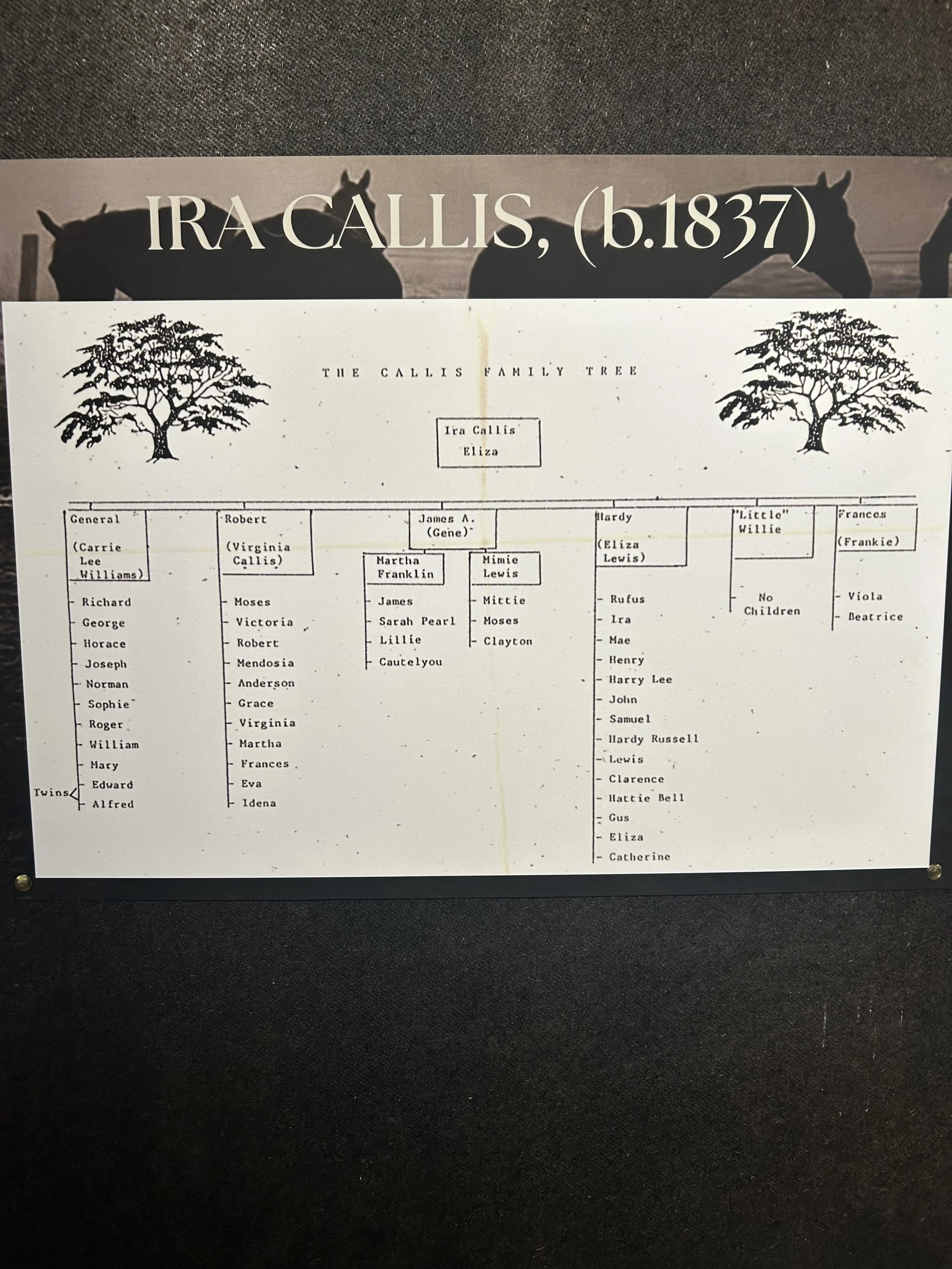
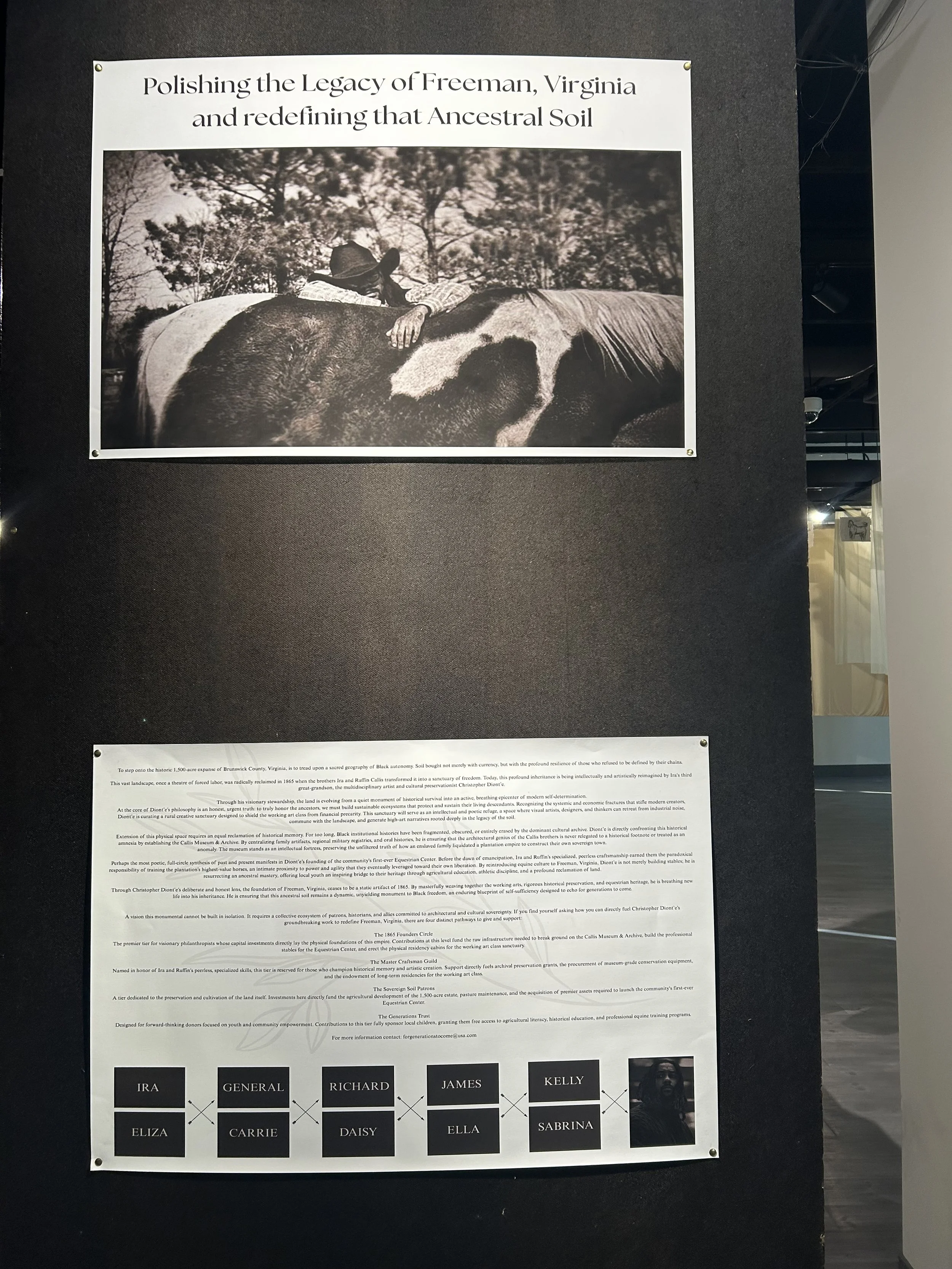
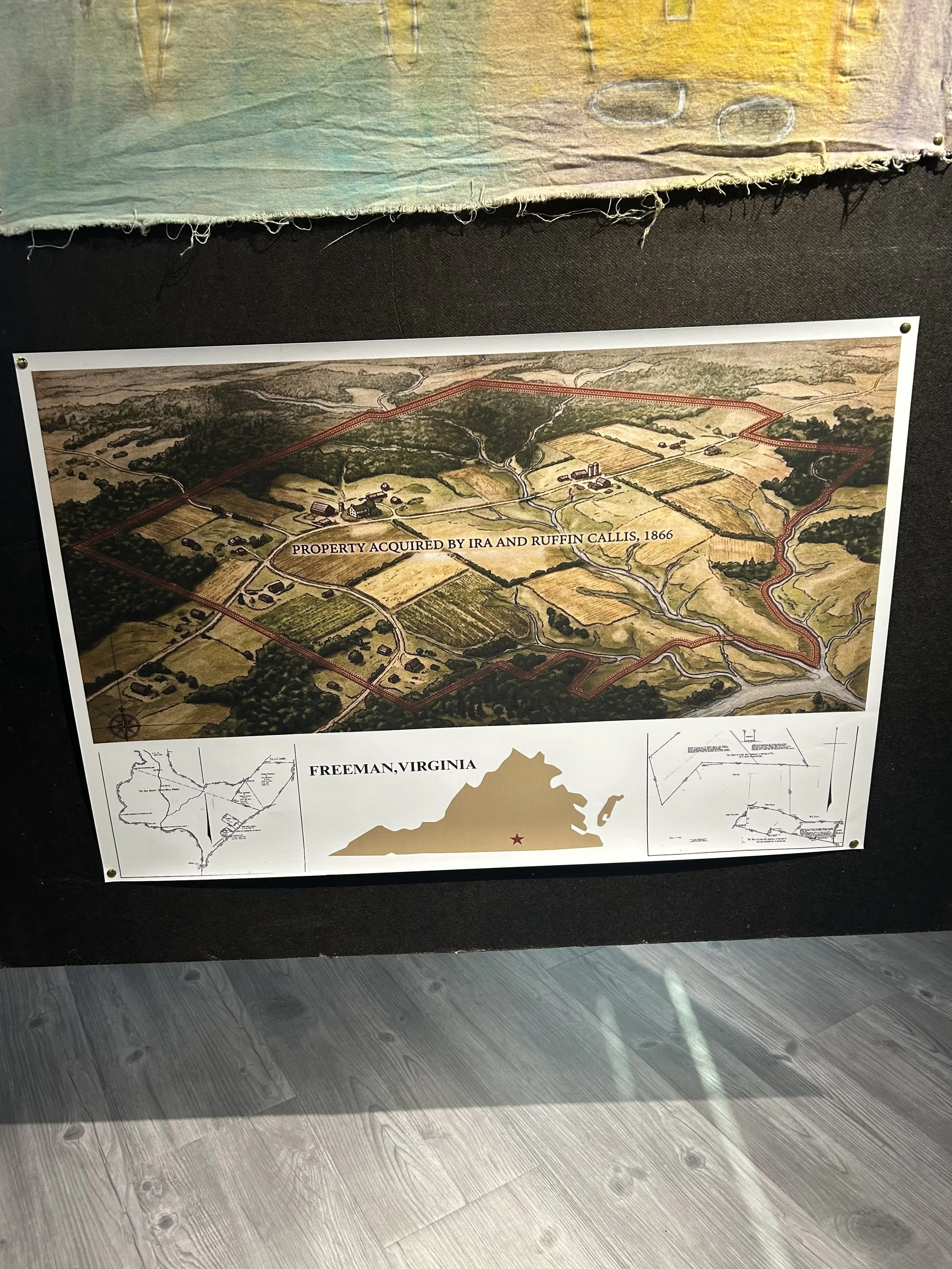
This project honors the legacy of Christopher's 3rd Great-Grandfather, Ira Callis, his brother, Ruffin Callis, and the history of Freeman, Va.
For context,
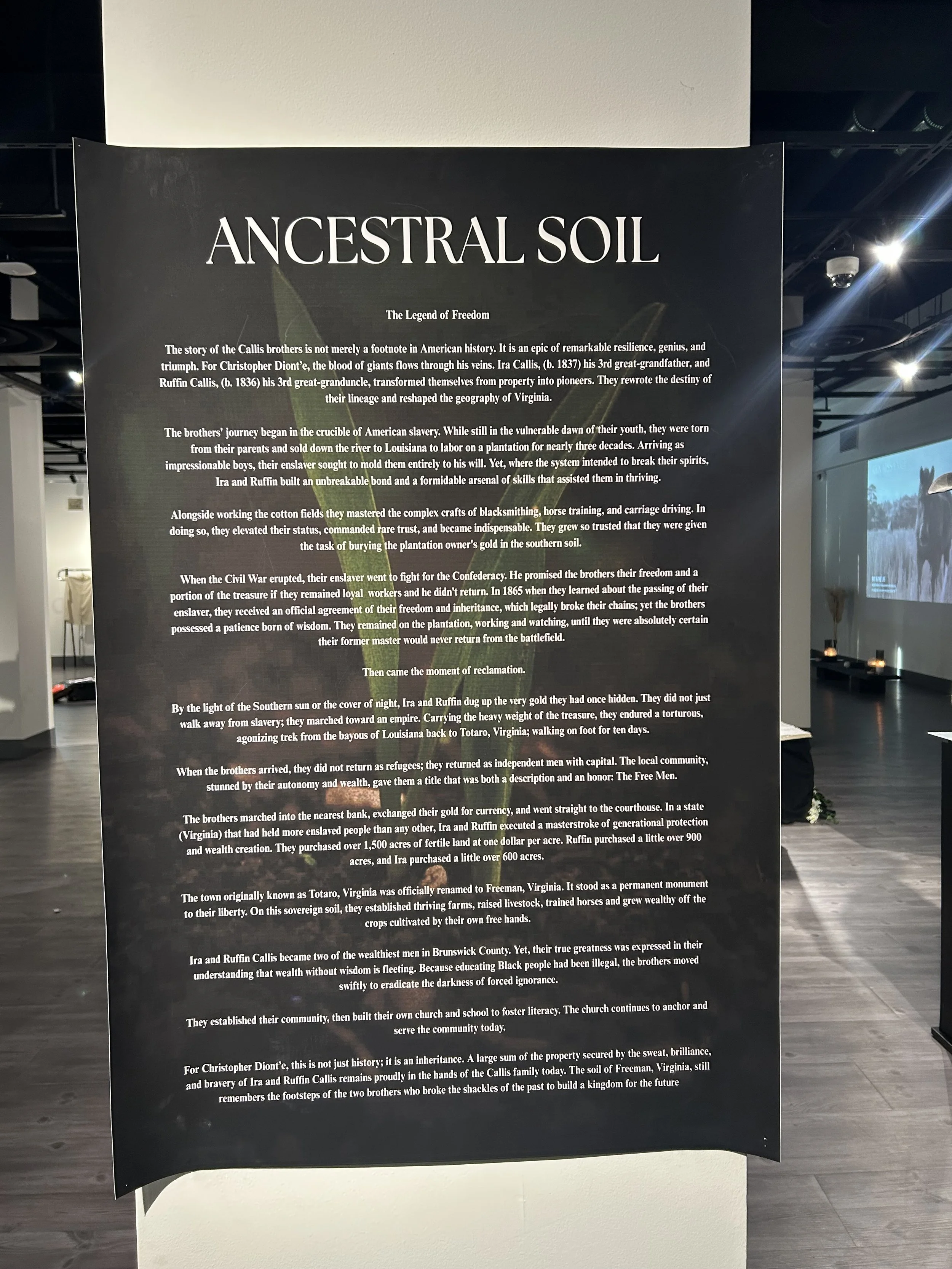
The story of the Callis brothers is not merely a footnote in American history. It is an epic of remarkable resilience, genius, and triumph. Ira Callis, his 3rd great-grandfather, and Ruffin Callis, his 3rd great-granduncle, transformed themselves from property into pioneers. They rewrote the destiny of their lineage and reshaped the geography of Virginia.
The brothers' journey began in the crucible of American slavery. Their father, an African American native of York County, Virginia, met and fell in love with a woman who was stolen from West Africa and brought across the Atlantic. Married in 1825, they brought Ruffin into the world in 1836, followed by Ira in 1837.
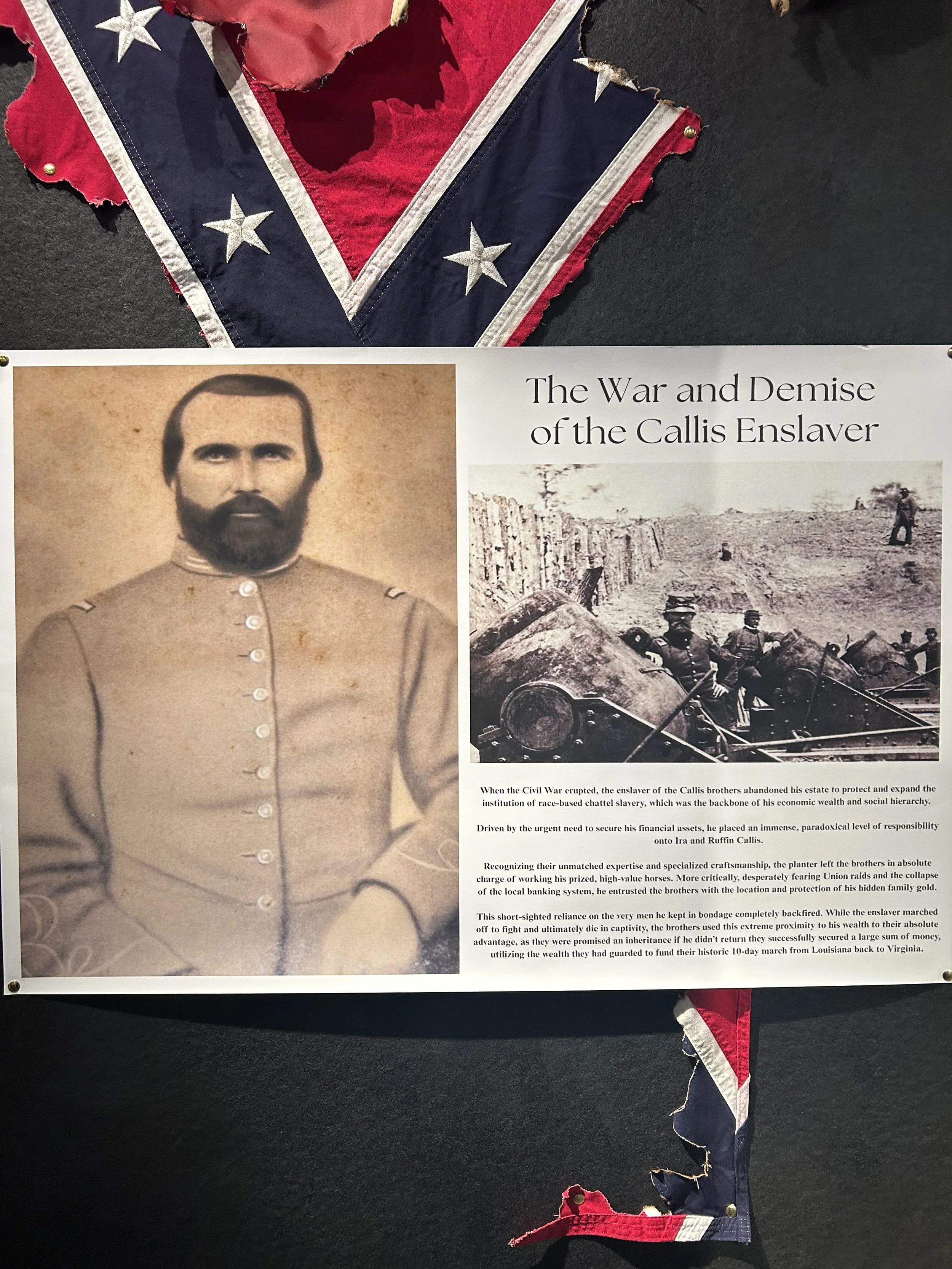
While still in the vulnerable dawn of their youth, the brothers were torn from their parents. They were sold down the river to Louisiana to labor on a plantation for nearly three decades. Arriving as impressionable boys, their enslaver sought to mold them entirely to his will. Yet, where the system intended to break their spirits, Ira and Ruffin built an unbreakable bond and a formidable arsenal of skills that assisted them in thriving.
They mastered the complex crafts of blacksmithing, horse training, and carriage driving. In doing so, they elevated their status, commanded rare trust, and became indispensable. They grew so trusted that they were given the task of burying the plantation owner's gold.
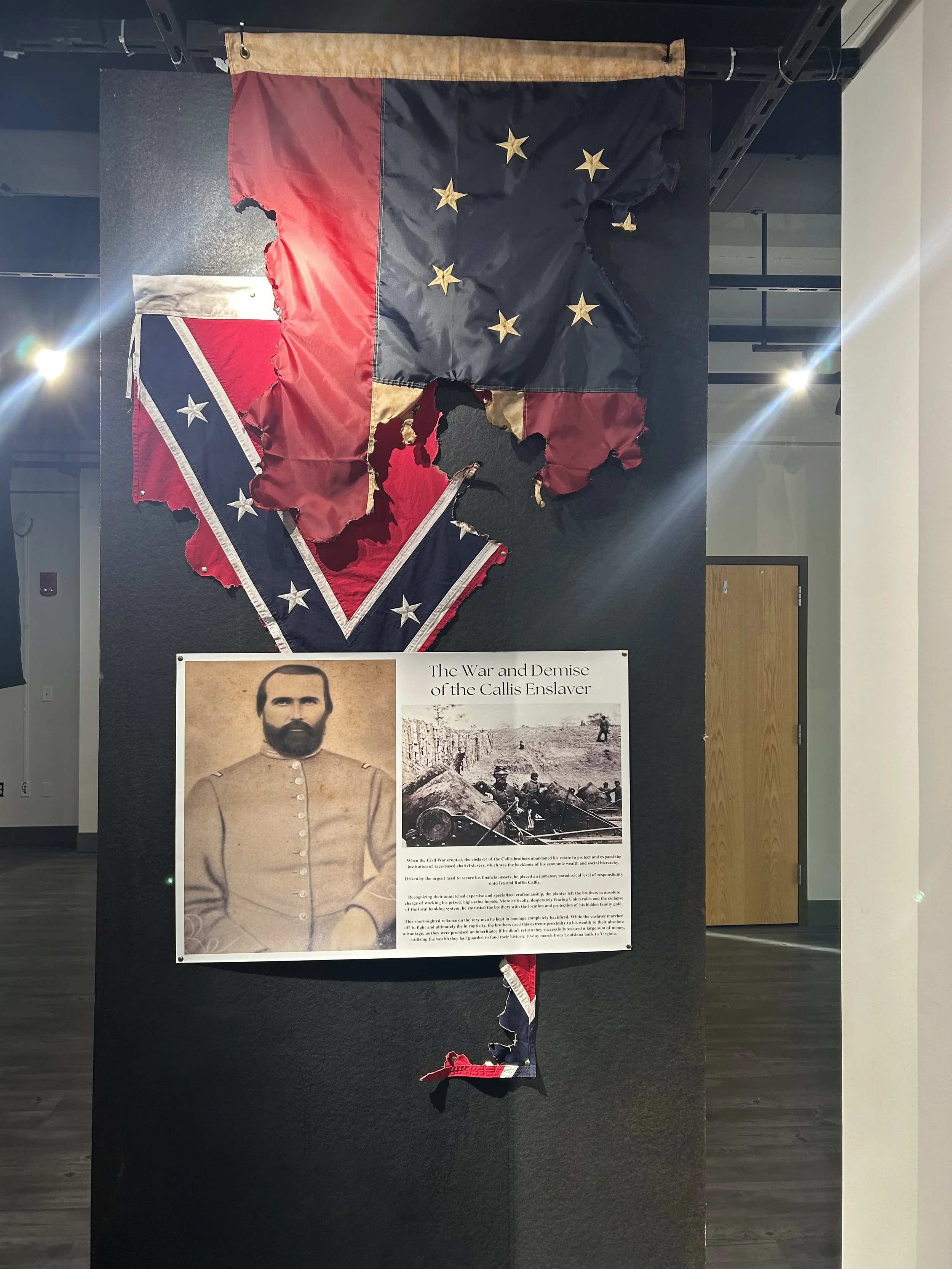
When the Civil War erupted, their enslaver went to fight for the Confederacy. He promised the brothers their freedom and a portion of the treasure if they remained loyal workers and he didn’t return. In 1865 when they learned about the passing of their enslaver, they remained on the plantation, working and watching, until they were absolutely certain their former master would never return from the battlefield.
Then came the moment of reclamation. Ira and Ruffin dug up the very gold they had once hidden. They did not just walk away from slavery; they marched toward an empire. Carrying the heavy weight of the treasure, they endured a torturous, agonizing trek from the bayous of Louisiana back to Totaro, Virginia; walking on foot for ten days once reaching Virginia.
When the brothers arrived, they did not return as refugees. They returned as independent men of capital. The local community, stunned by their autonomy and wealth, gave them a title that was both a description and an honor: the Free Men.
The brothers marched into the nearest bank, exchanged their gold for currency, and went straight to the courthouse. In a state (Virginia) that had held more enslaved people than any other, Ira and Ruffin executed a masterstroke of generational protection and wealth creation. They purchased over 1,500 acres of fertile land at one dollar per acre. Ruffin purchased a little over 900 acres, and Ira purchased a little over 600 acres.
The town originally known as Totaro, Virginia was officially renamed to Freeman, Virginia. It stood as a permanent monument to their liberty. On this sovereign soil, they established thriving farms, raised livestock, trained horses and grew wealthy off the crops cultivated by their own free hands. They built their home with lumber and sweat, a home that remarkably still stands today as a monument to their architectural and historical endurance.
Ira and Ruffin Callis became two of the wealthiest men in Brunswick County. Yet, their true greatness lay in their understanding that wealth without wisdom is fleeting. Because educating Black people had been illegal, the brothers moved swiftly to eradicate the darkness of forced ignorance.
They established communities, built their own church and school to foster literacy. The church continues to anchor and serve the community today.
For Christopher Diont’e, this is not just history; it is an inheritance. A large sum of the property secured by the sweat, brilliance, and bravery of Ira and Ruffin Callis remains proudly in the hands of the Callis family today. The soil of Freeman, Virginia, still remembers the footsteps of the two brothers who broke the shackles of the past to build a kingdom for the future.
To honor this generational journey, from West Africa and childhood separation to specialized craftsmanship, freedom and building an enduring legacy — Christopher has built a collection of artworks and garments to be displayed in the Newport News Community Gallery.
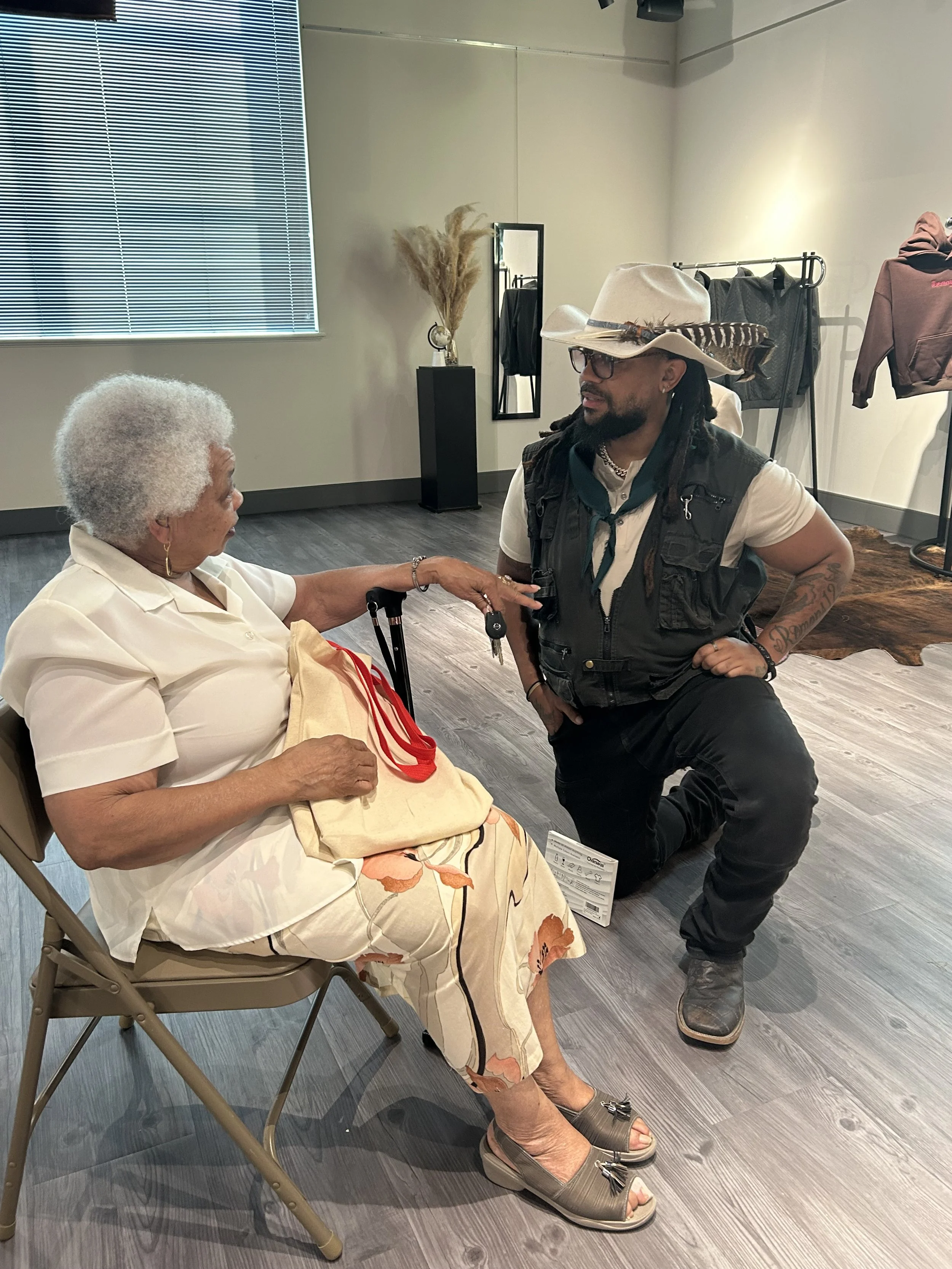
If you can’t make it to the opening or workshops, Christopher will also be present in the Community Gallery throughout the exhibit duration.
On Display
August 5-15, 2026
Related Programming:
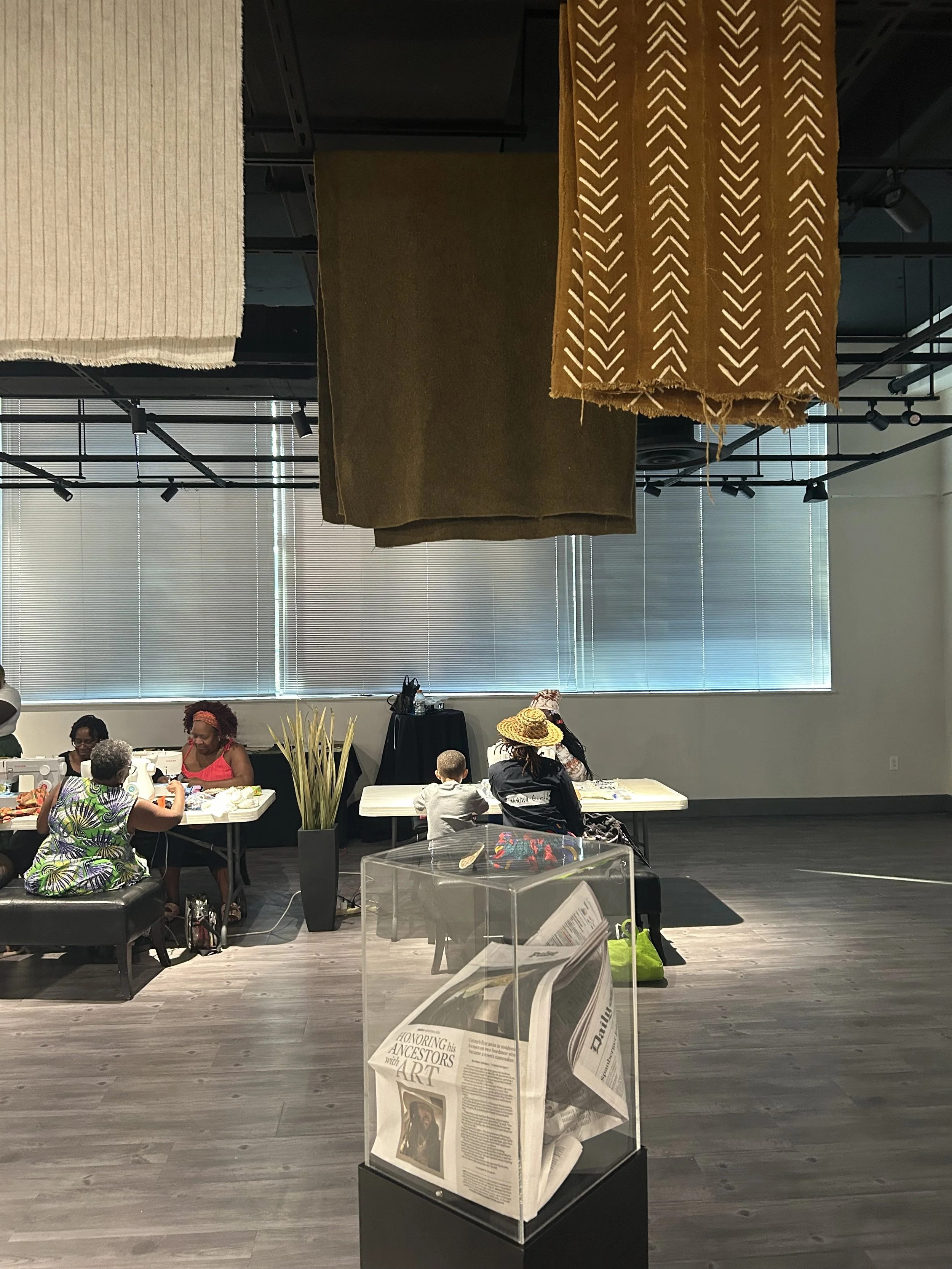
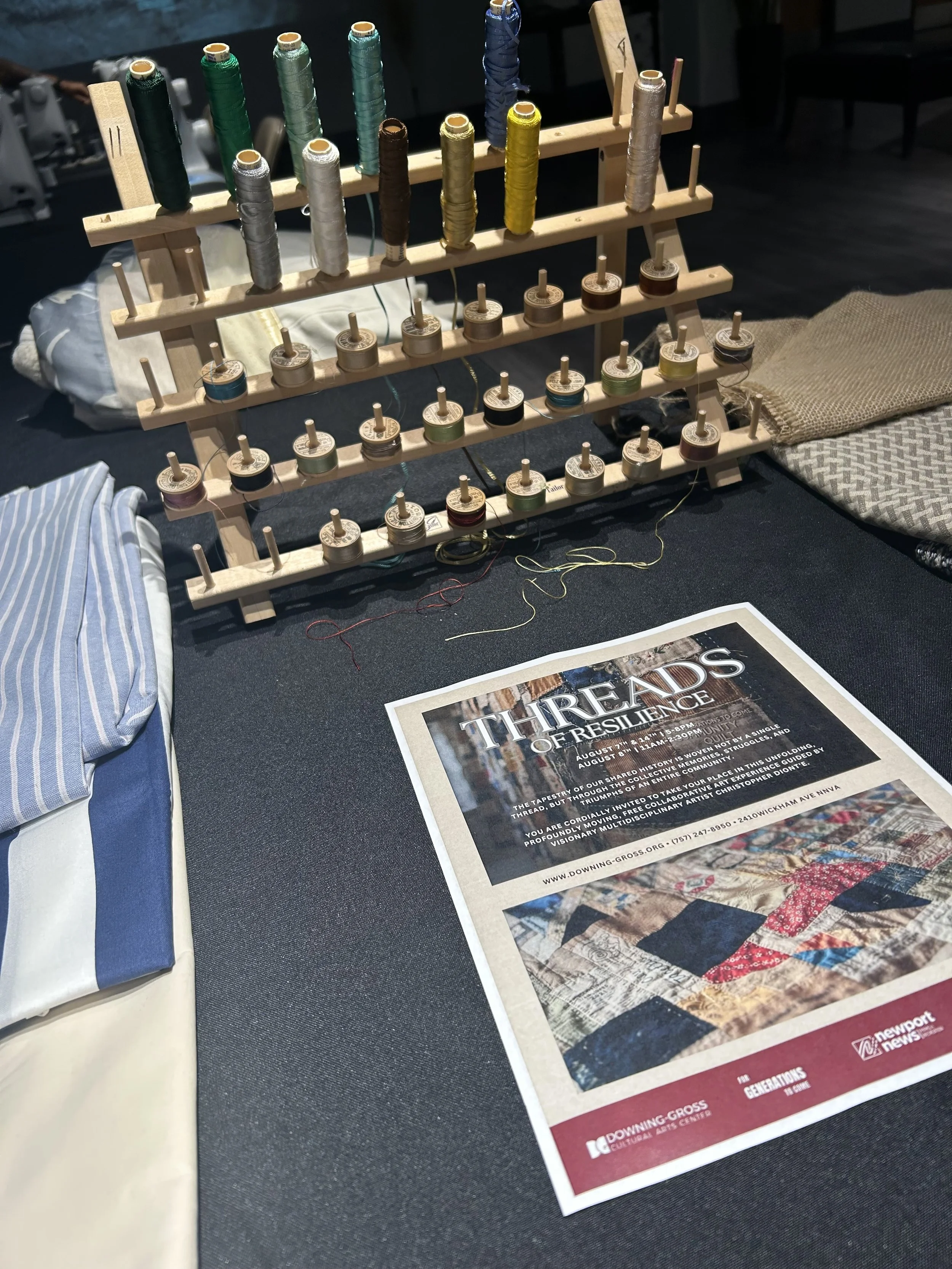
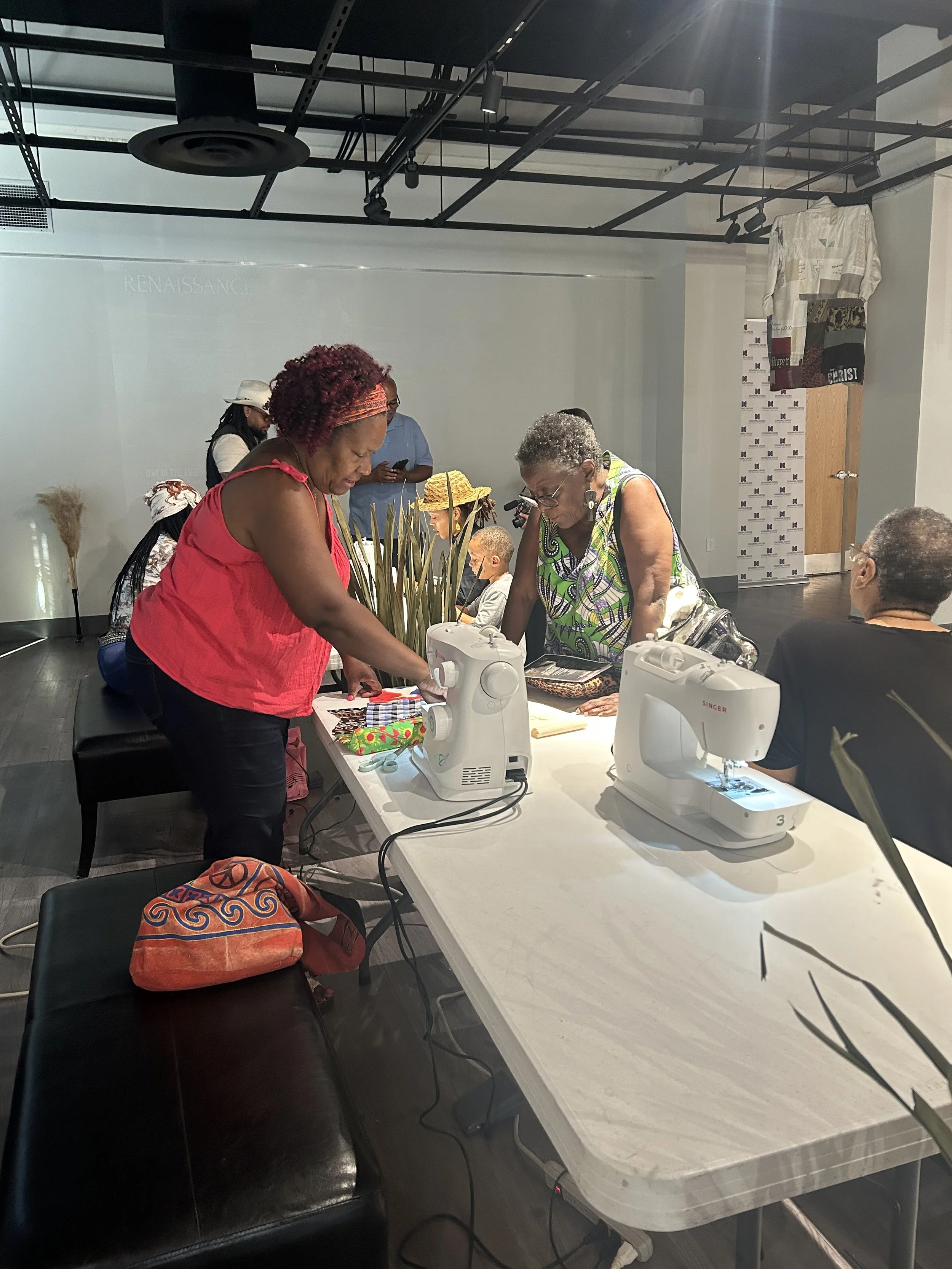
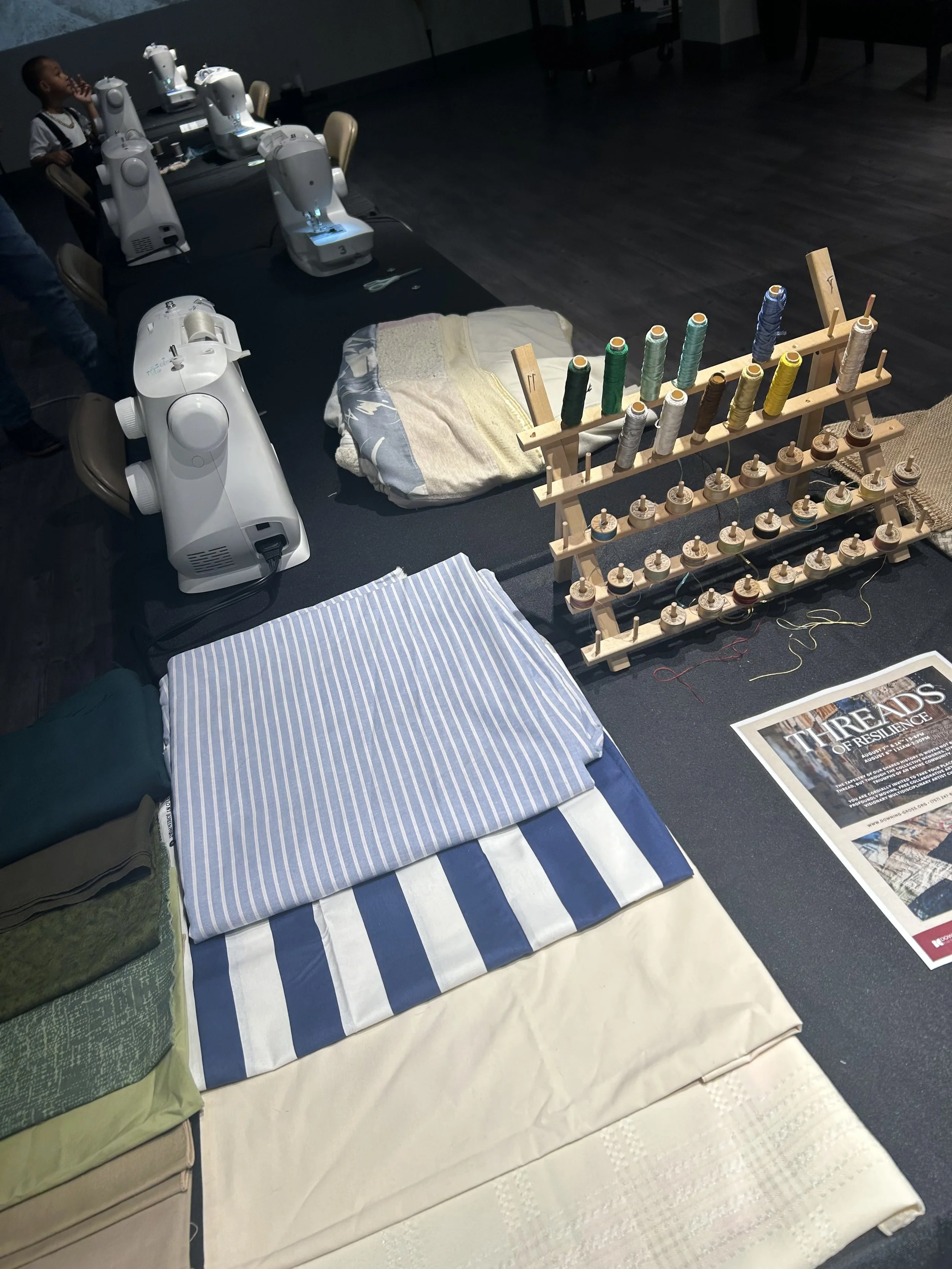
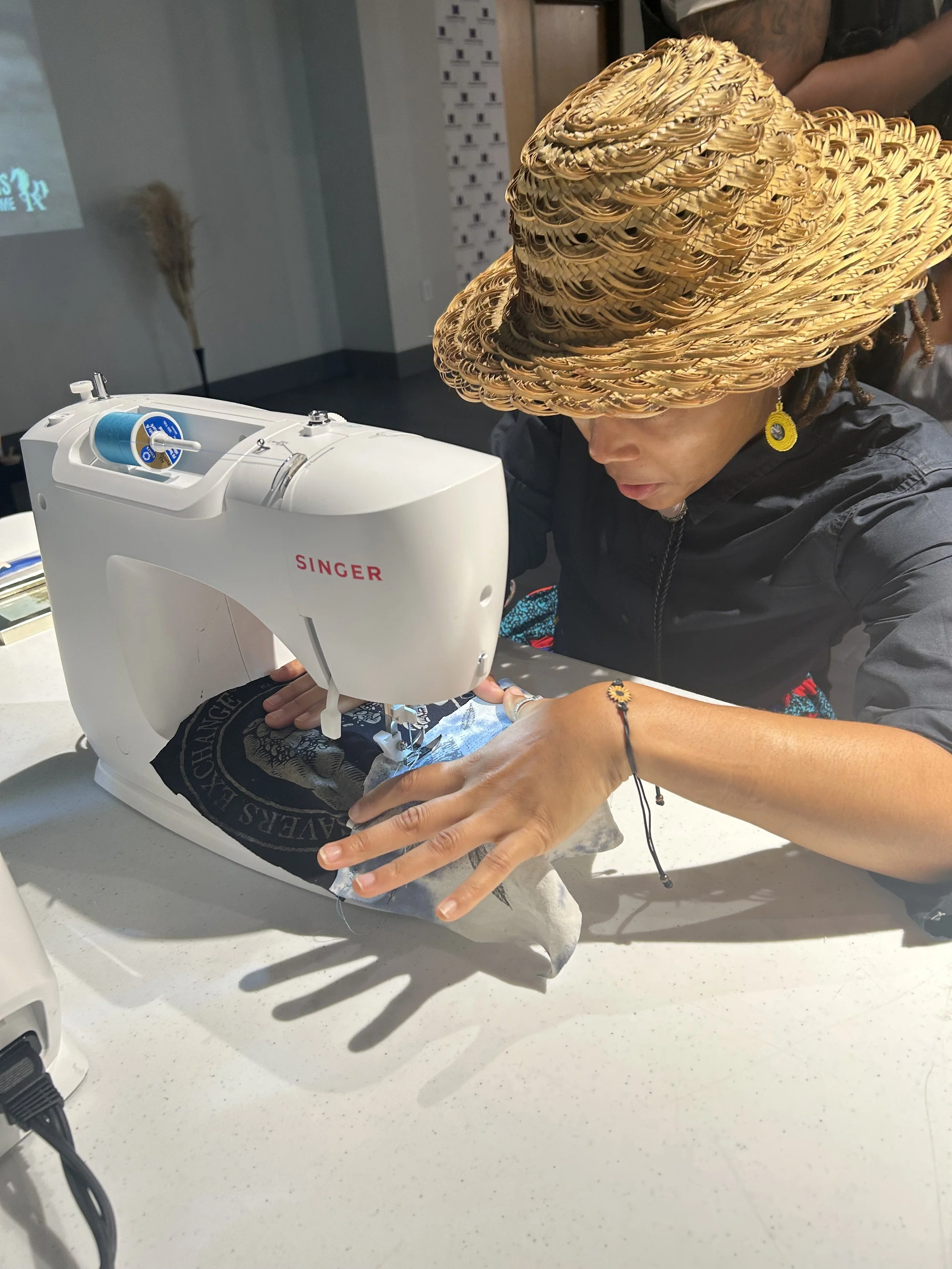
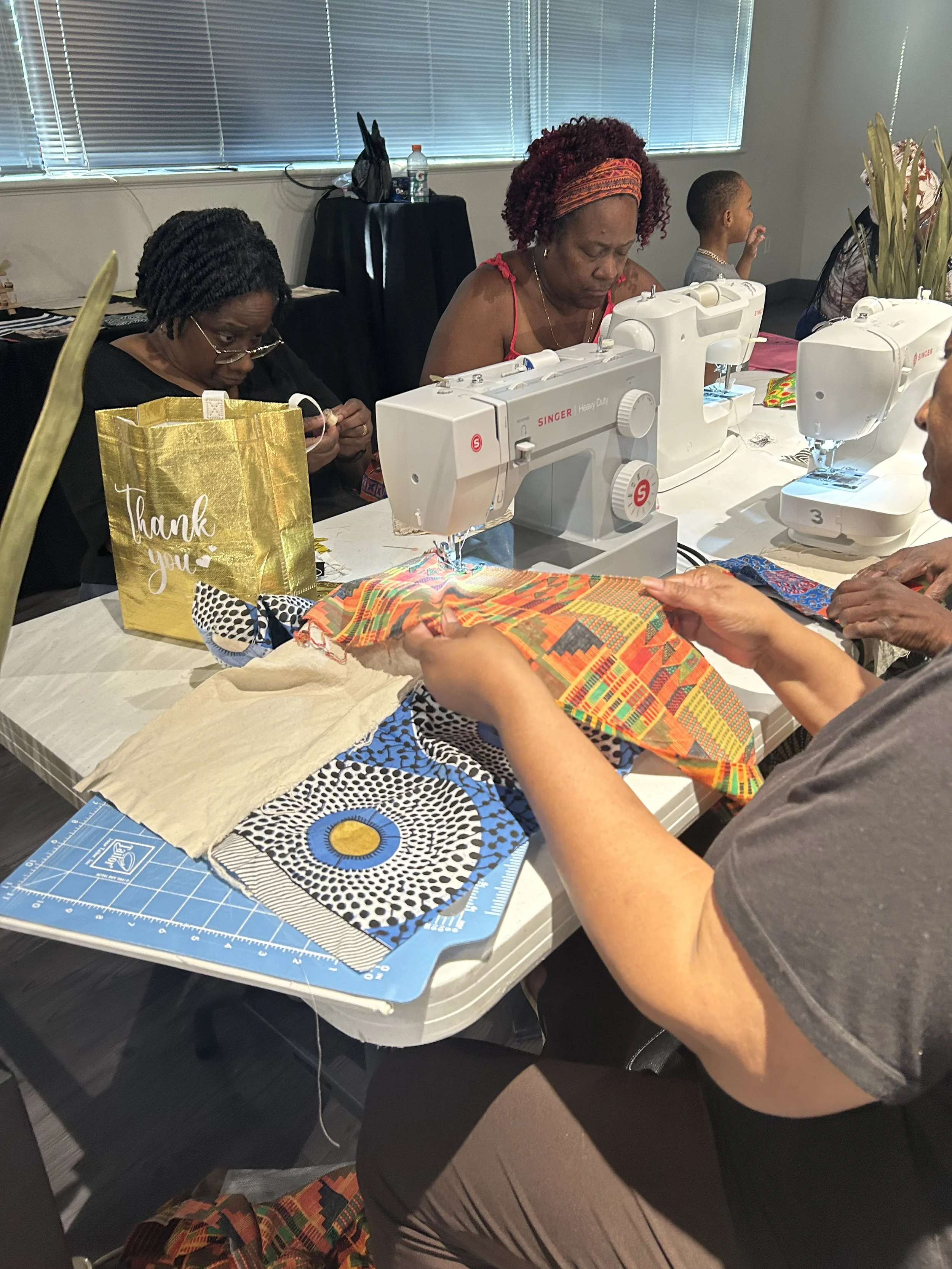
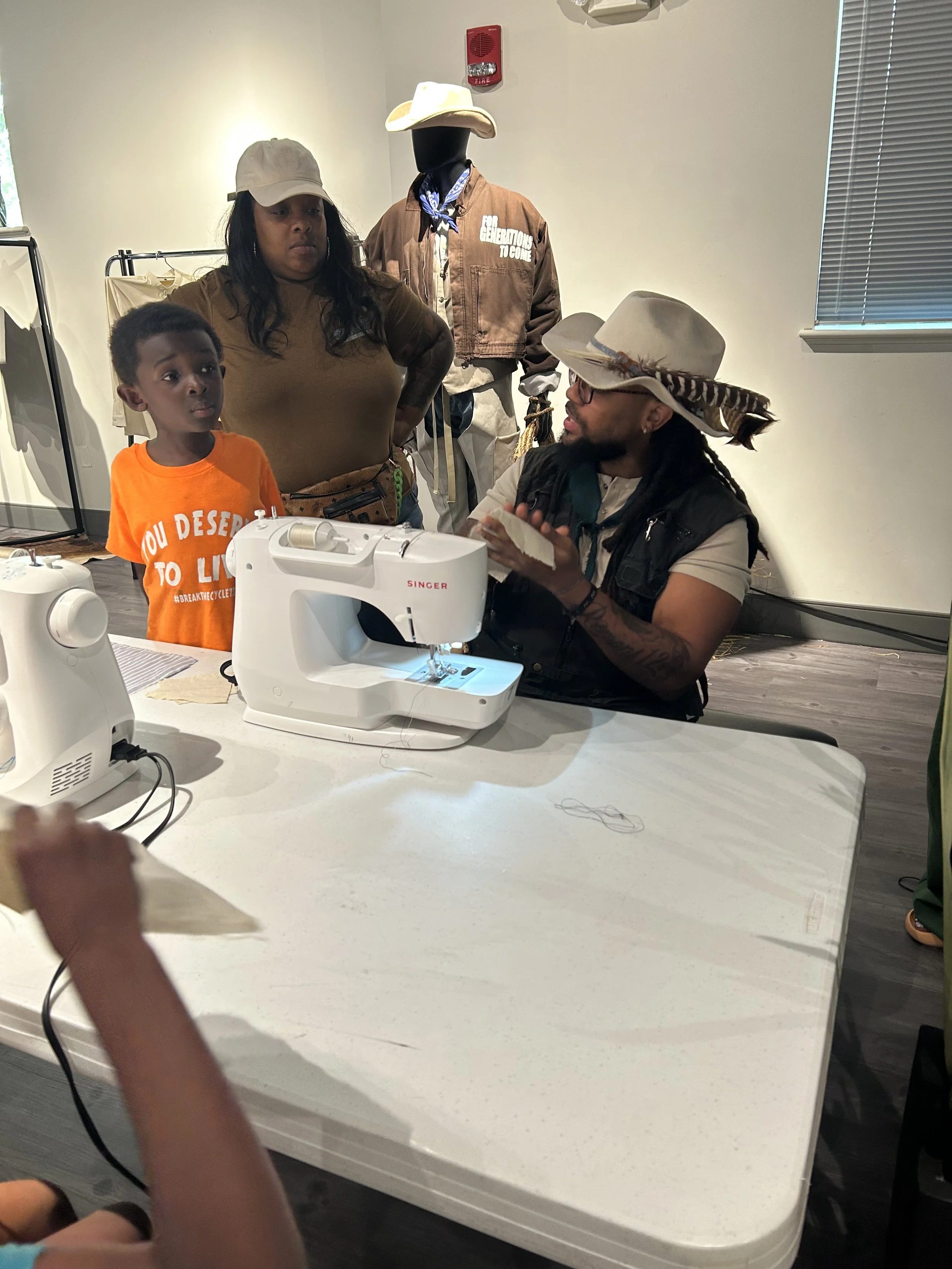
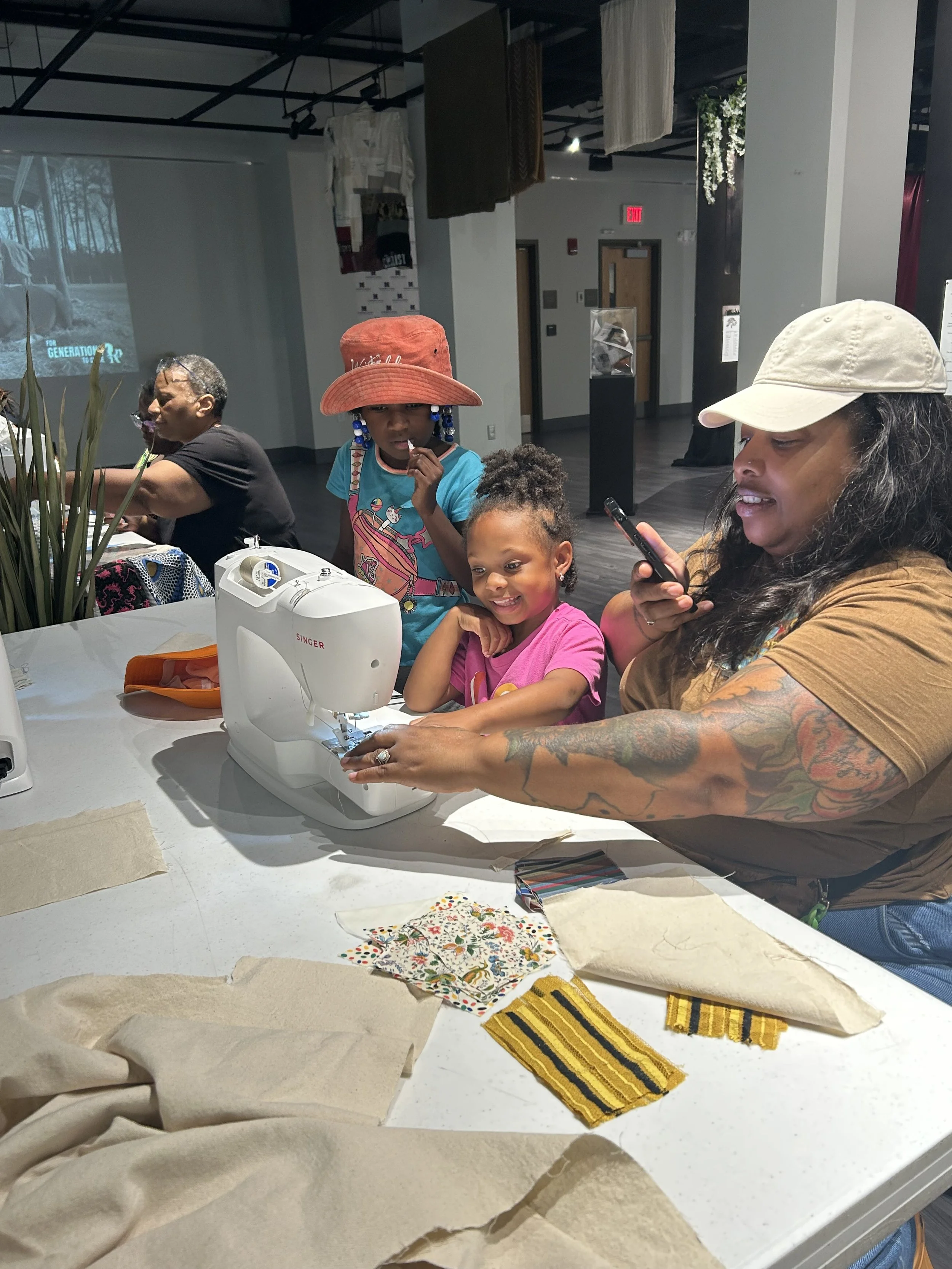
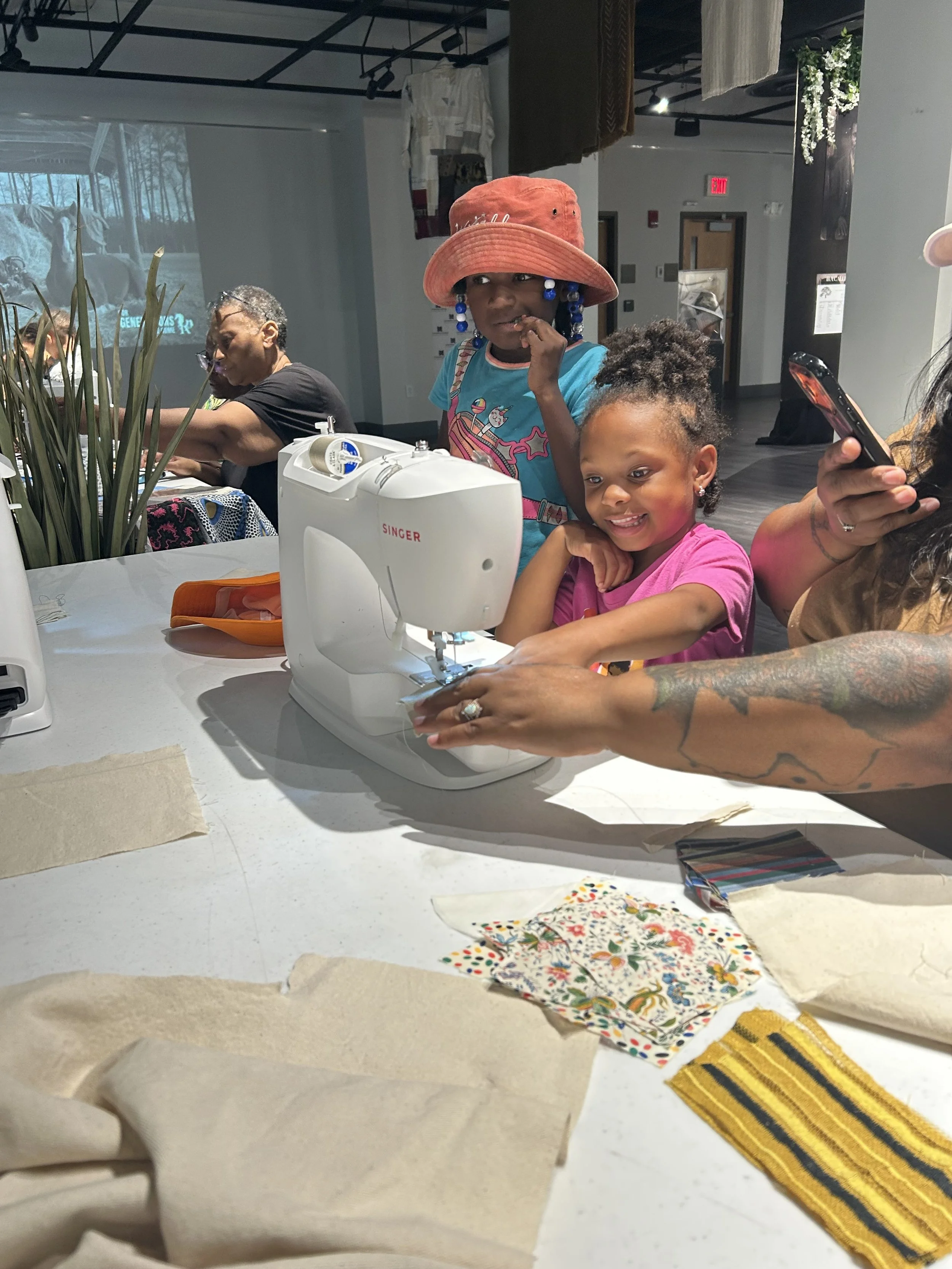
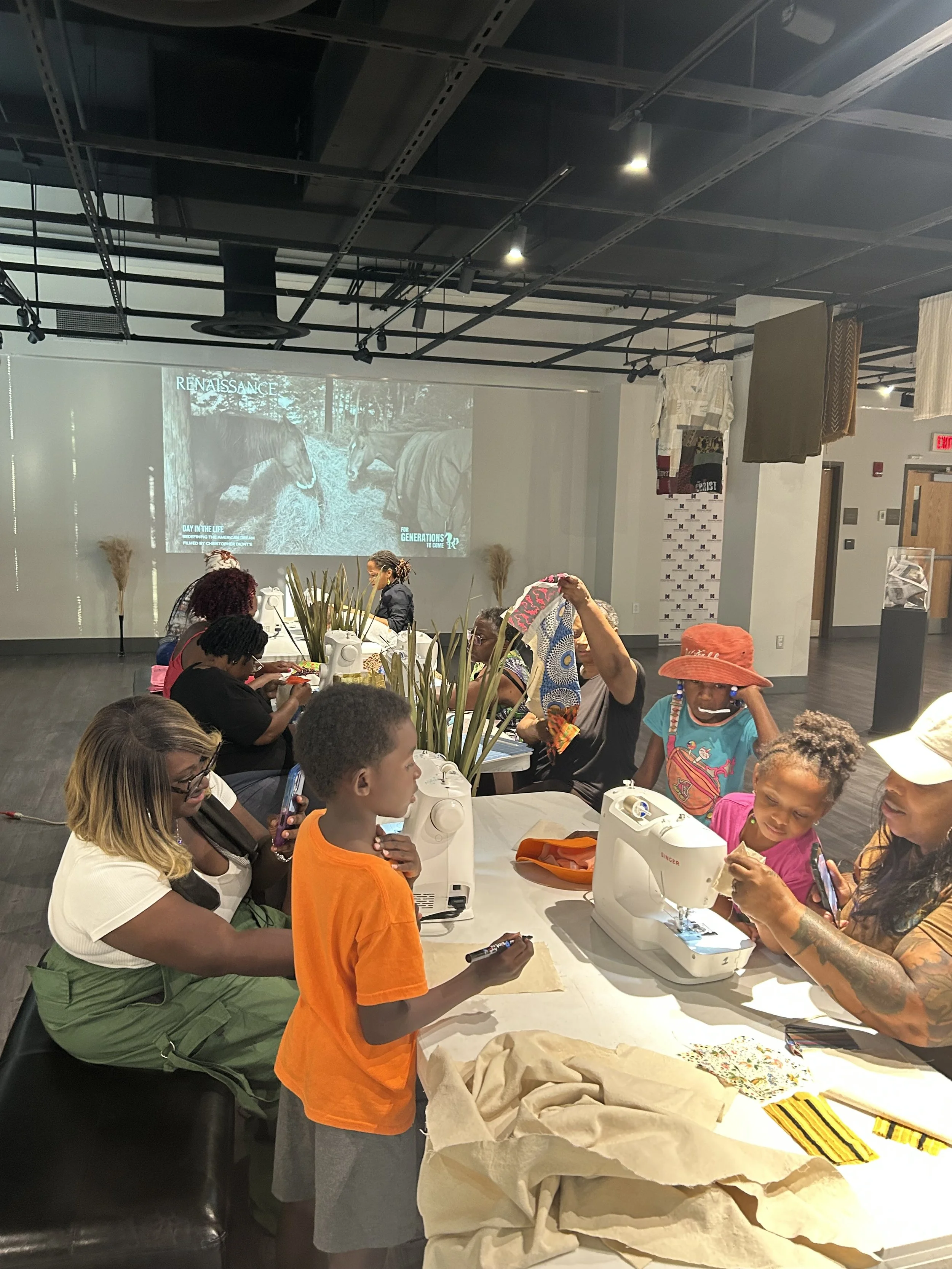
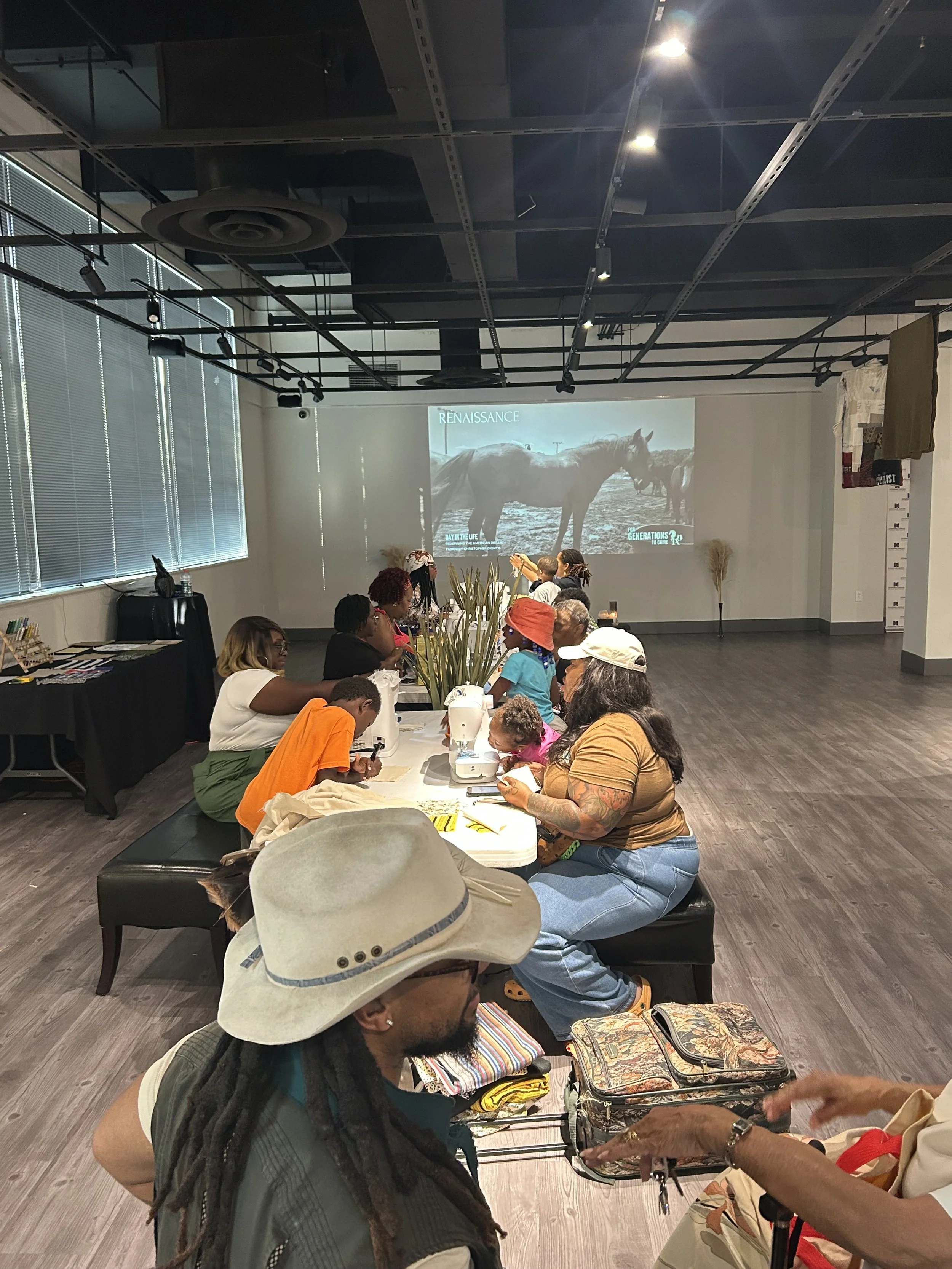
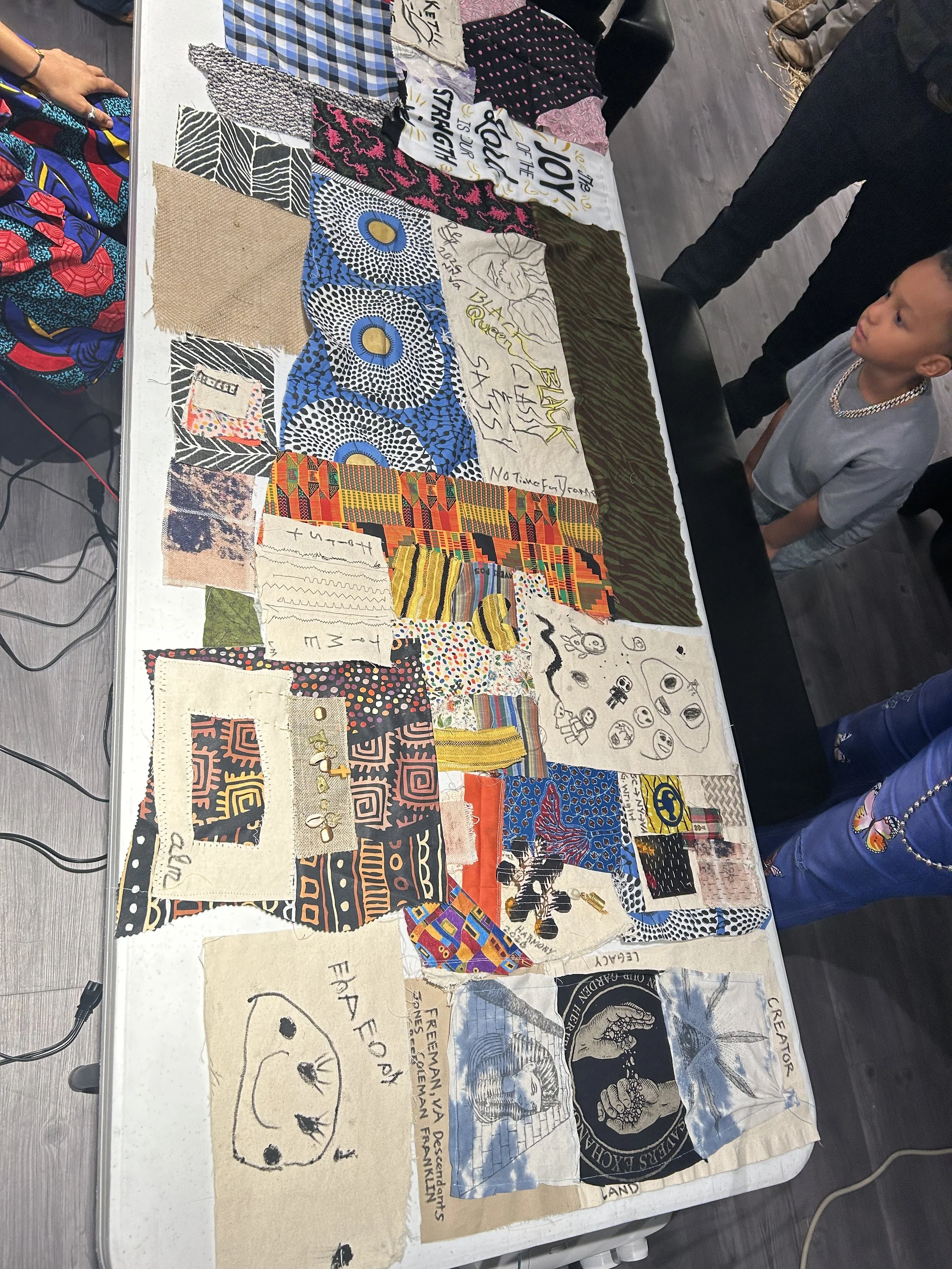
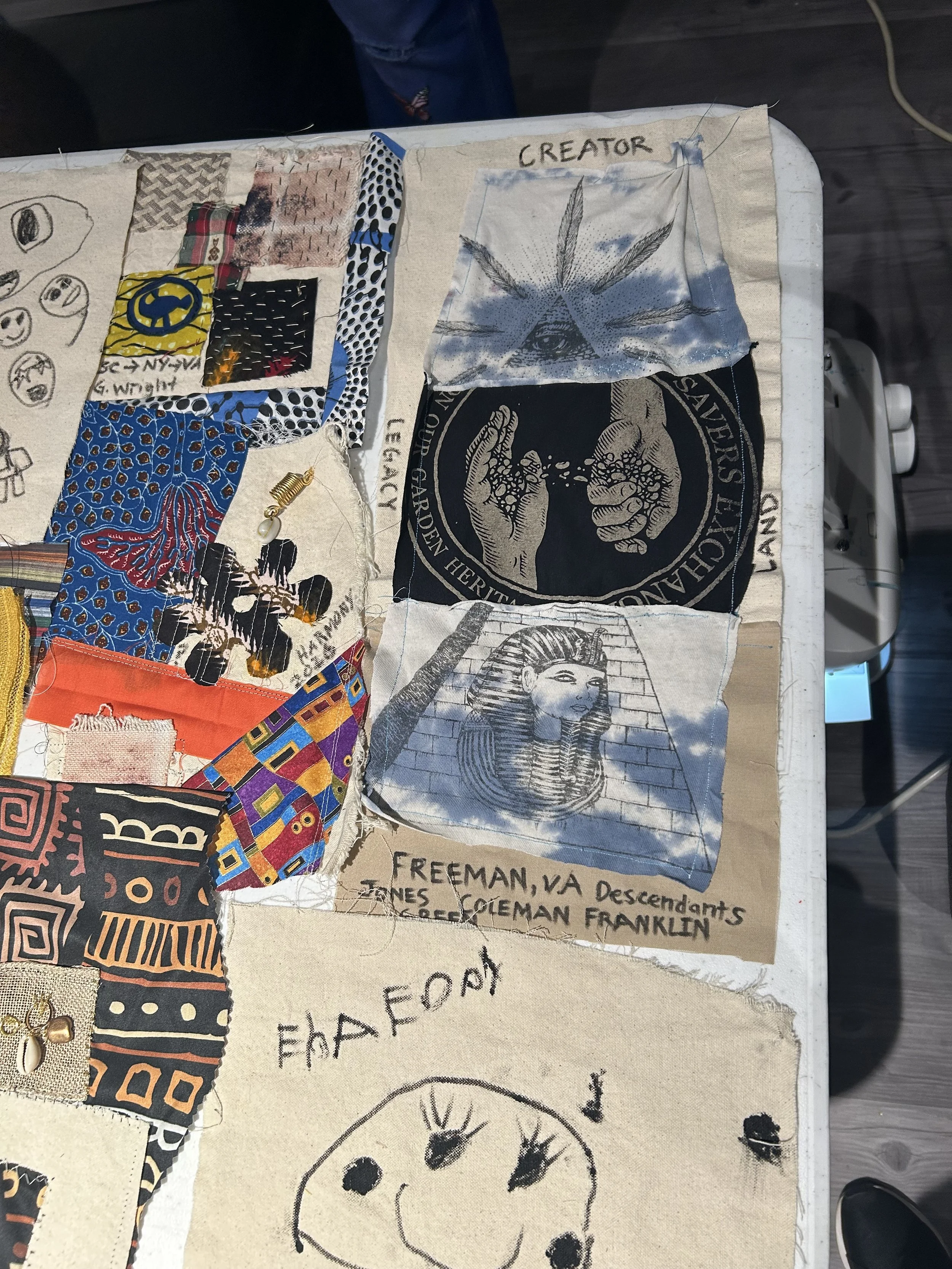
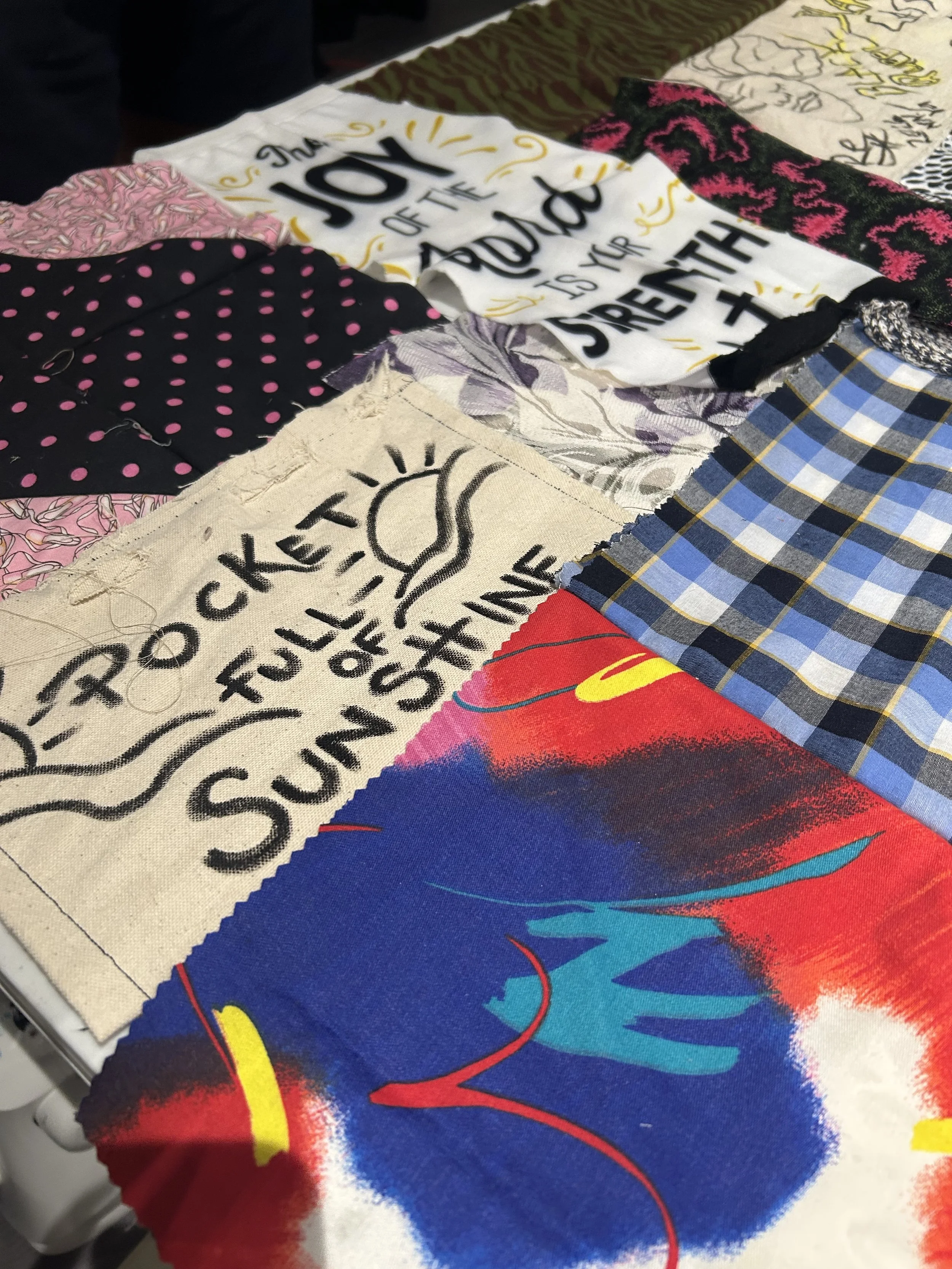
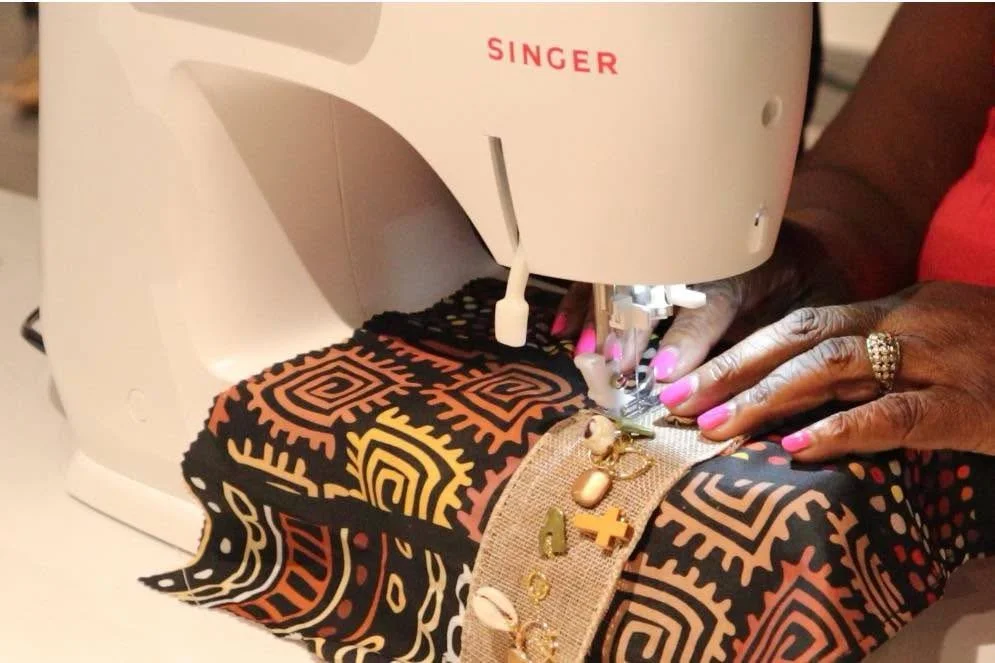
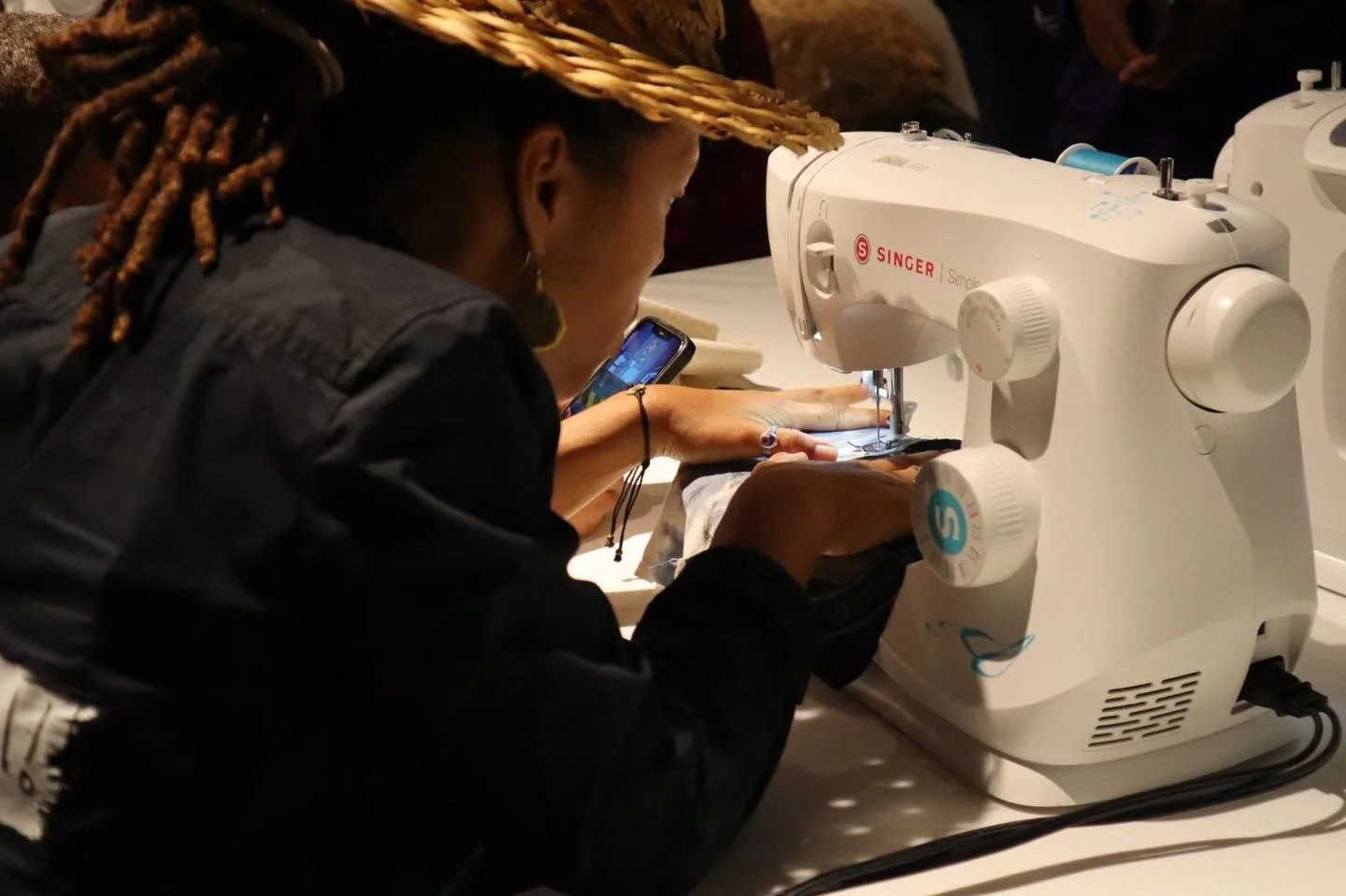
Threads of Resilience Community Quilt Workshops:
- 8/7/26 from 5-8pm, drop-in anytime
- 8/8/26 from 11am-2:30pm, drop-in anytime
- 8/14/26 from 5-8pm, drop-in anytime
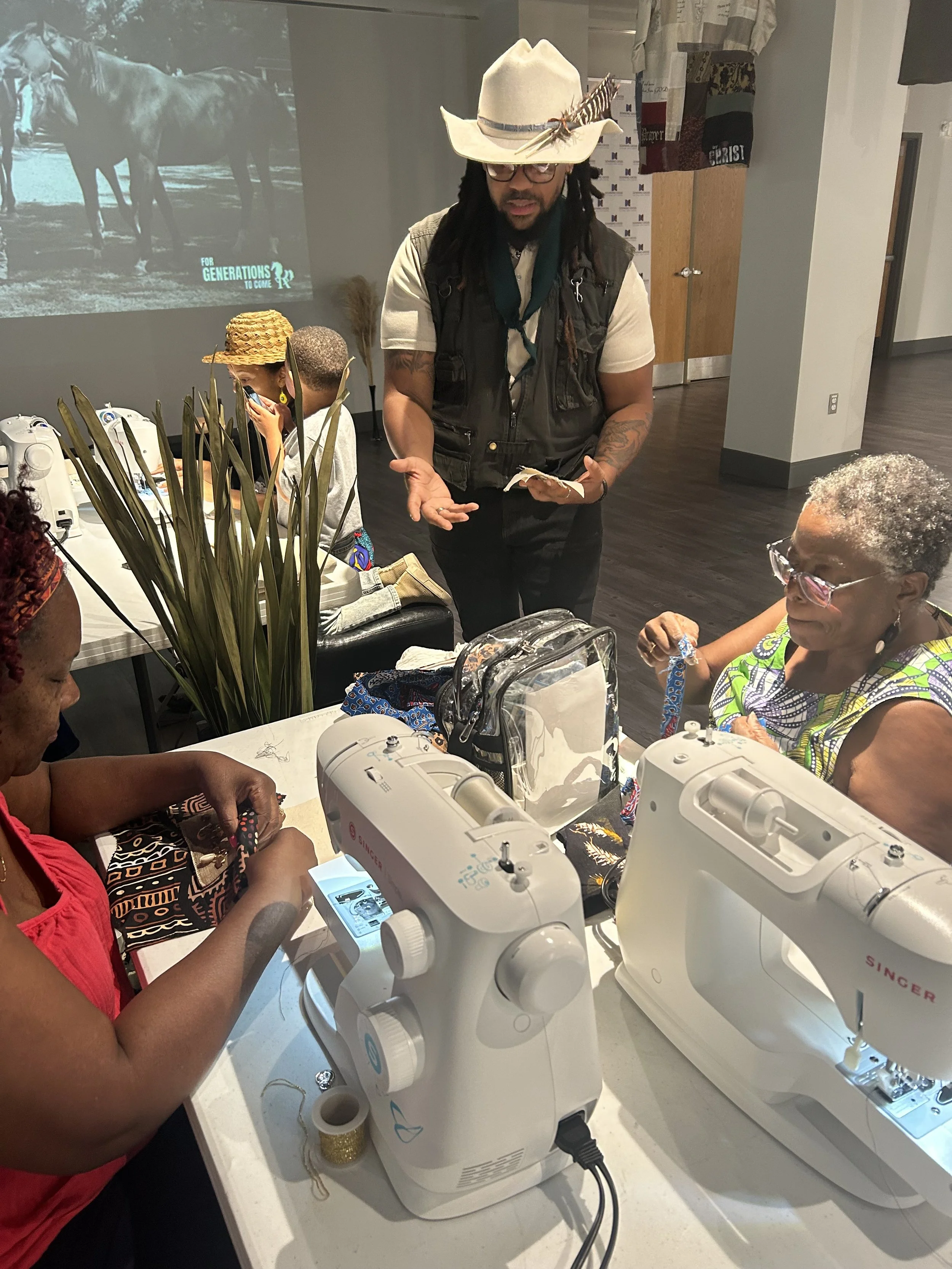
Description: The tapestry of our shared history is woven not by a single thread, but through the collective memories, struggles, and triumphs of an entire community. You are cordially invited to take your place in this unfolding narrative at the Community Quilt Creation Workshops, a profoundly moving, free collaborative art experience guided by visionary multidisciplinary artist Christopher Diont'e.
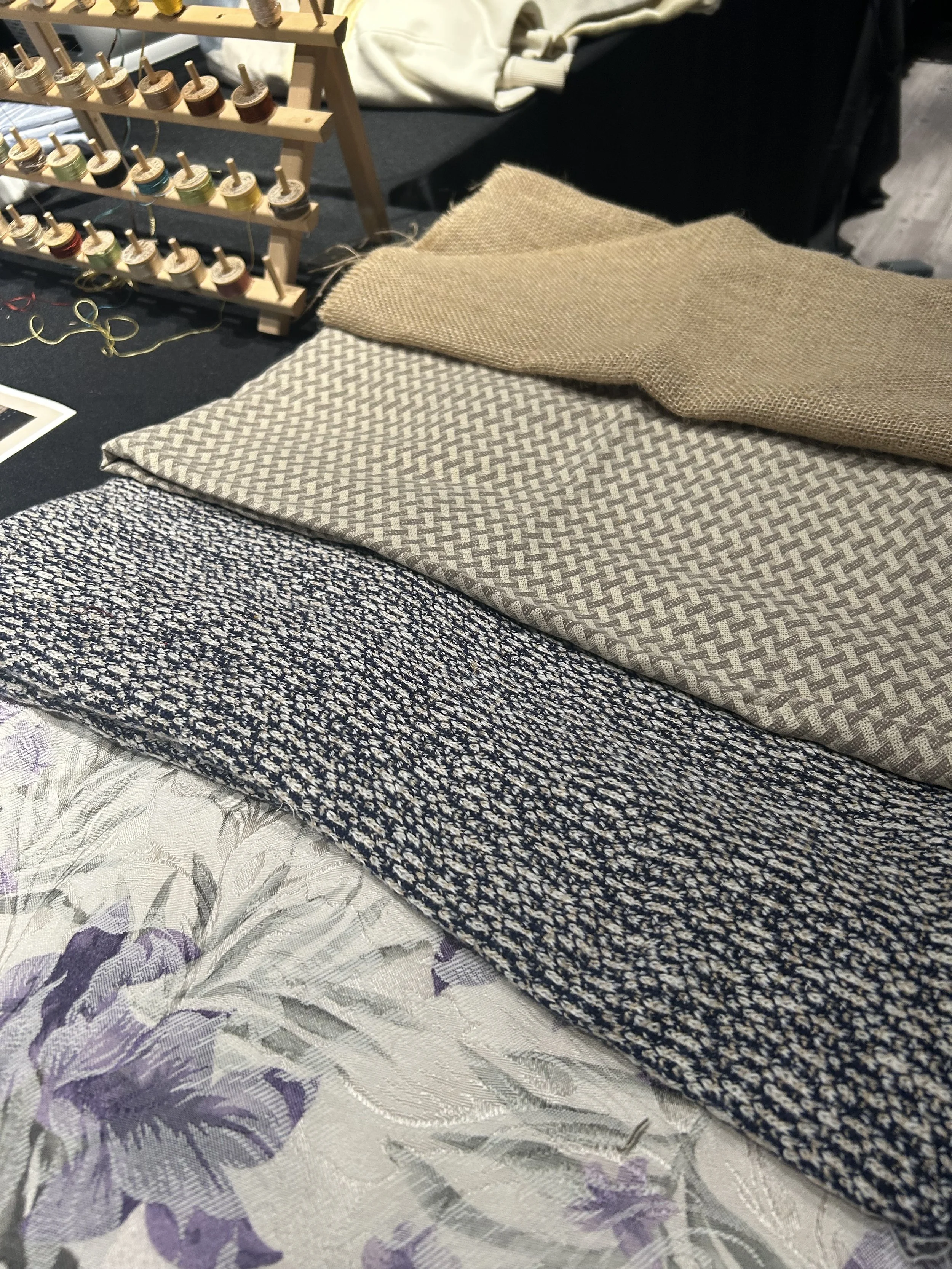
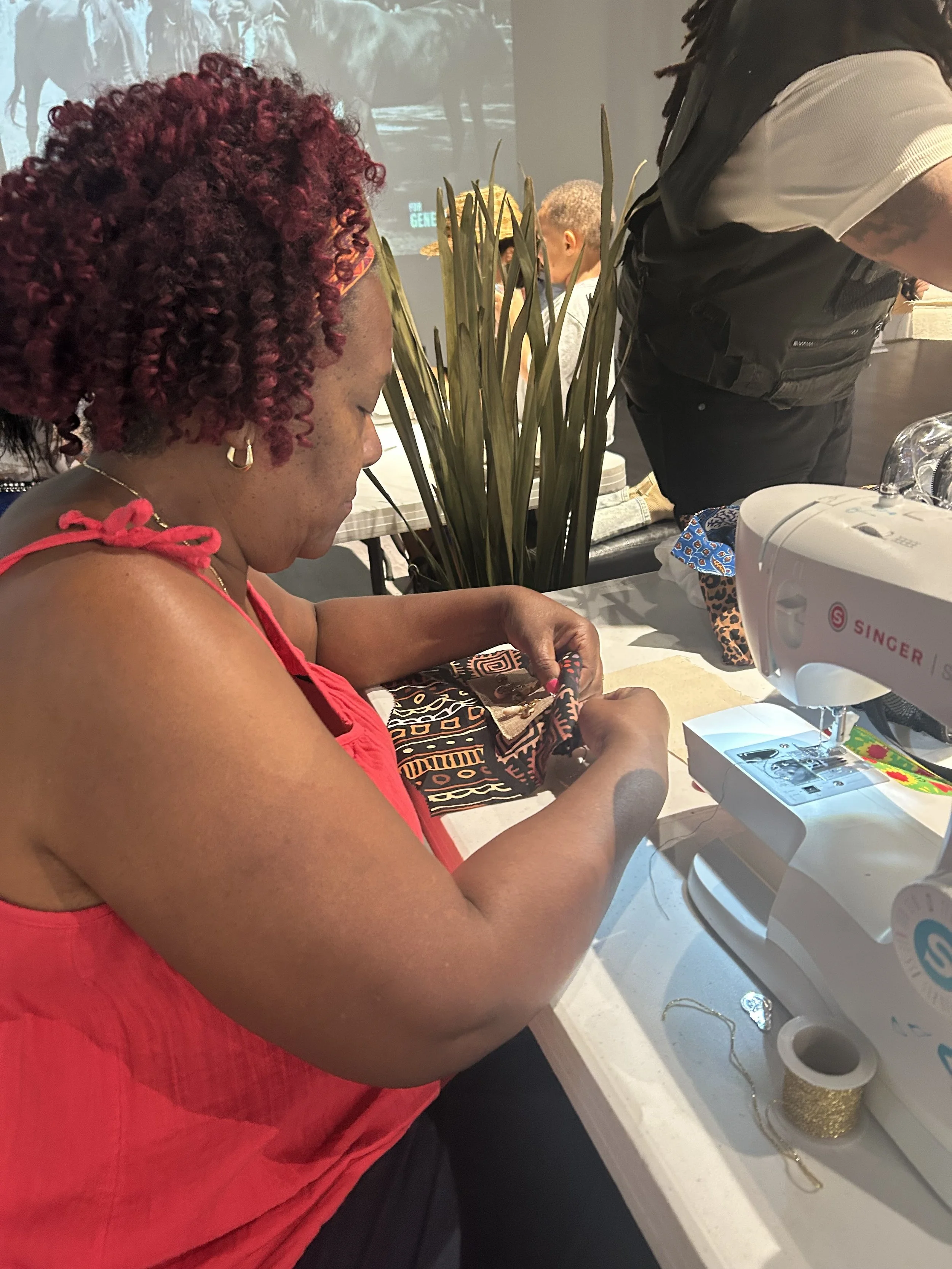
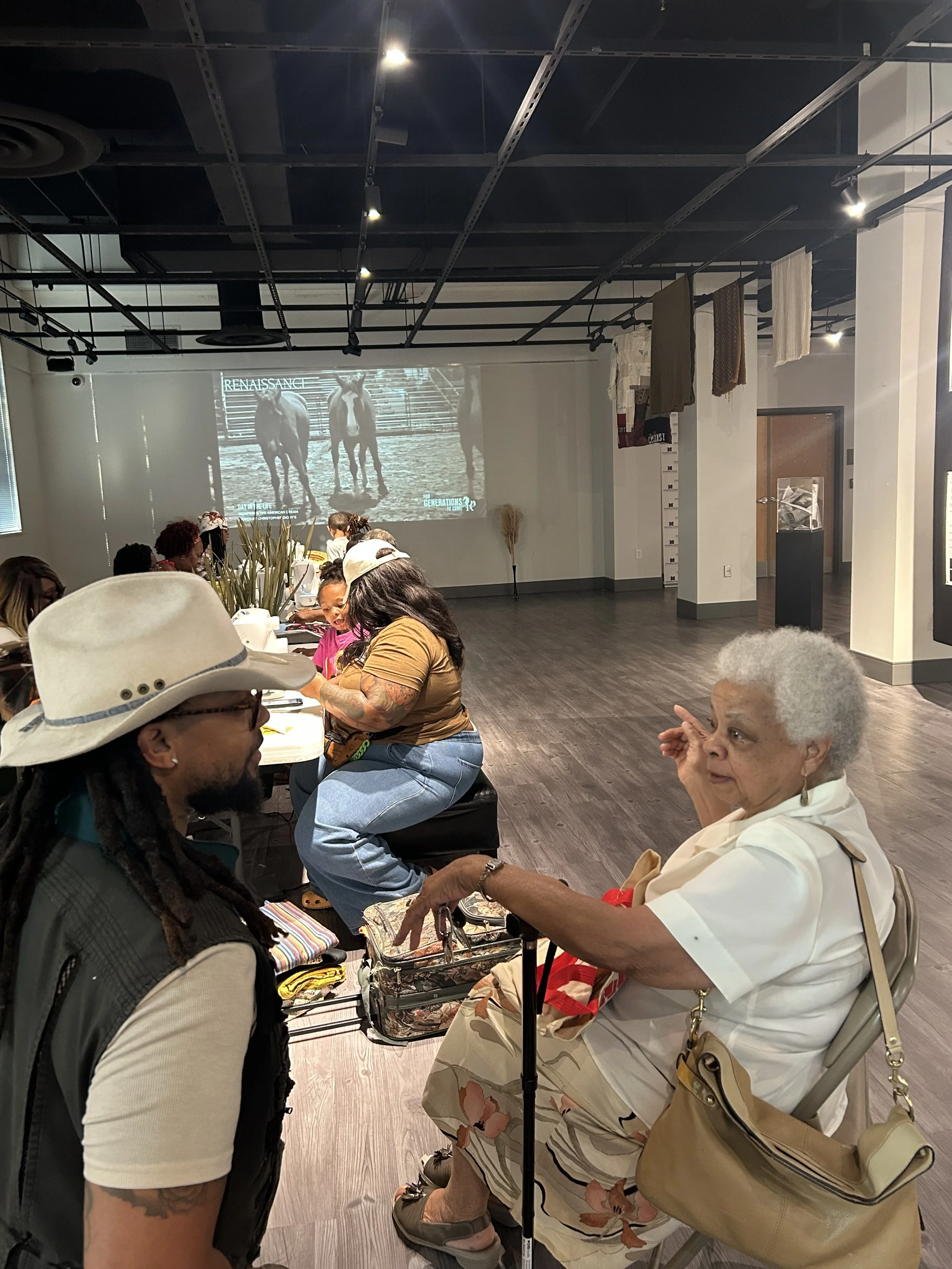
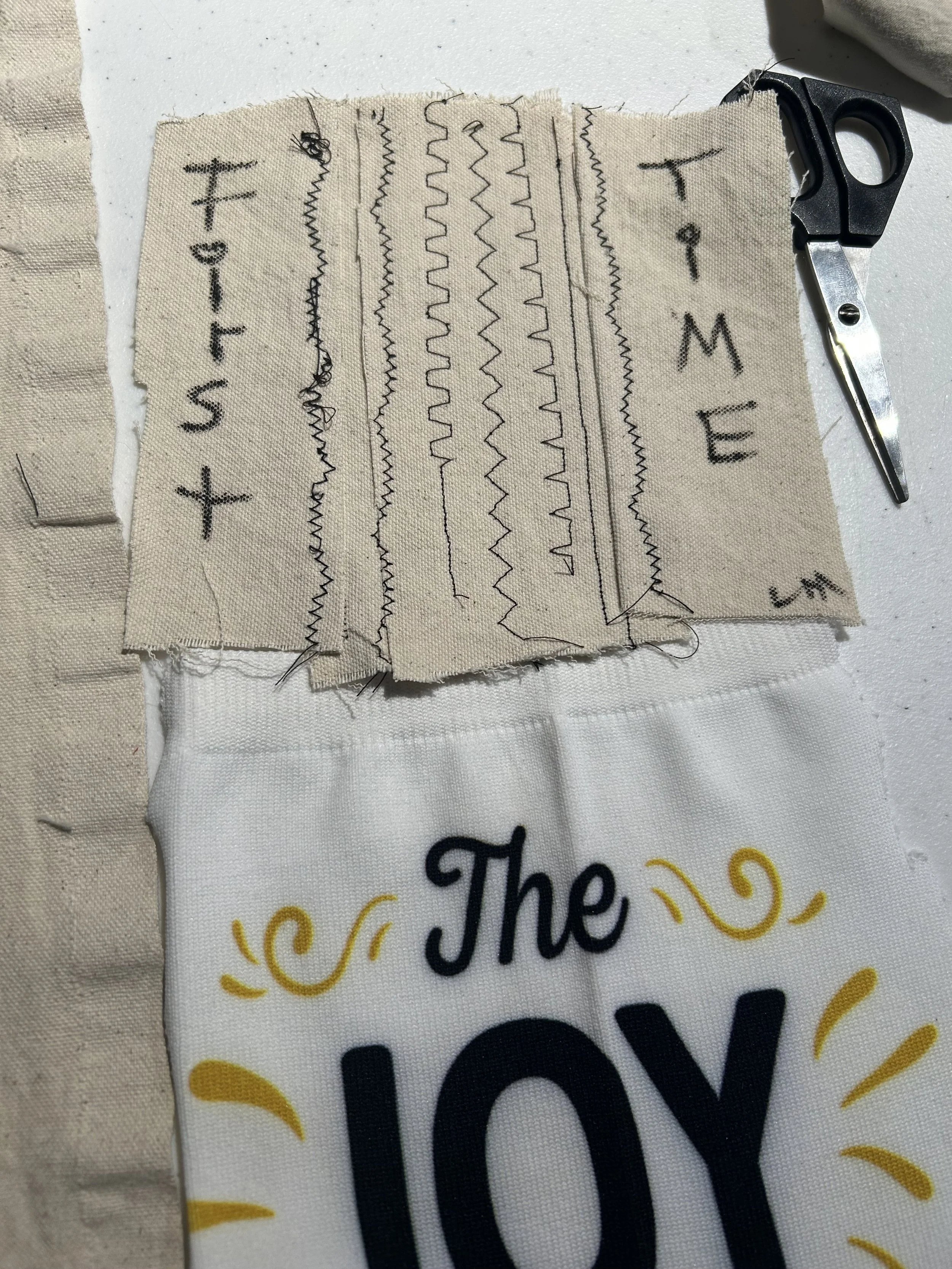
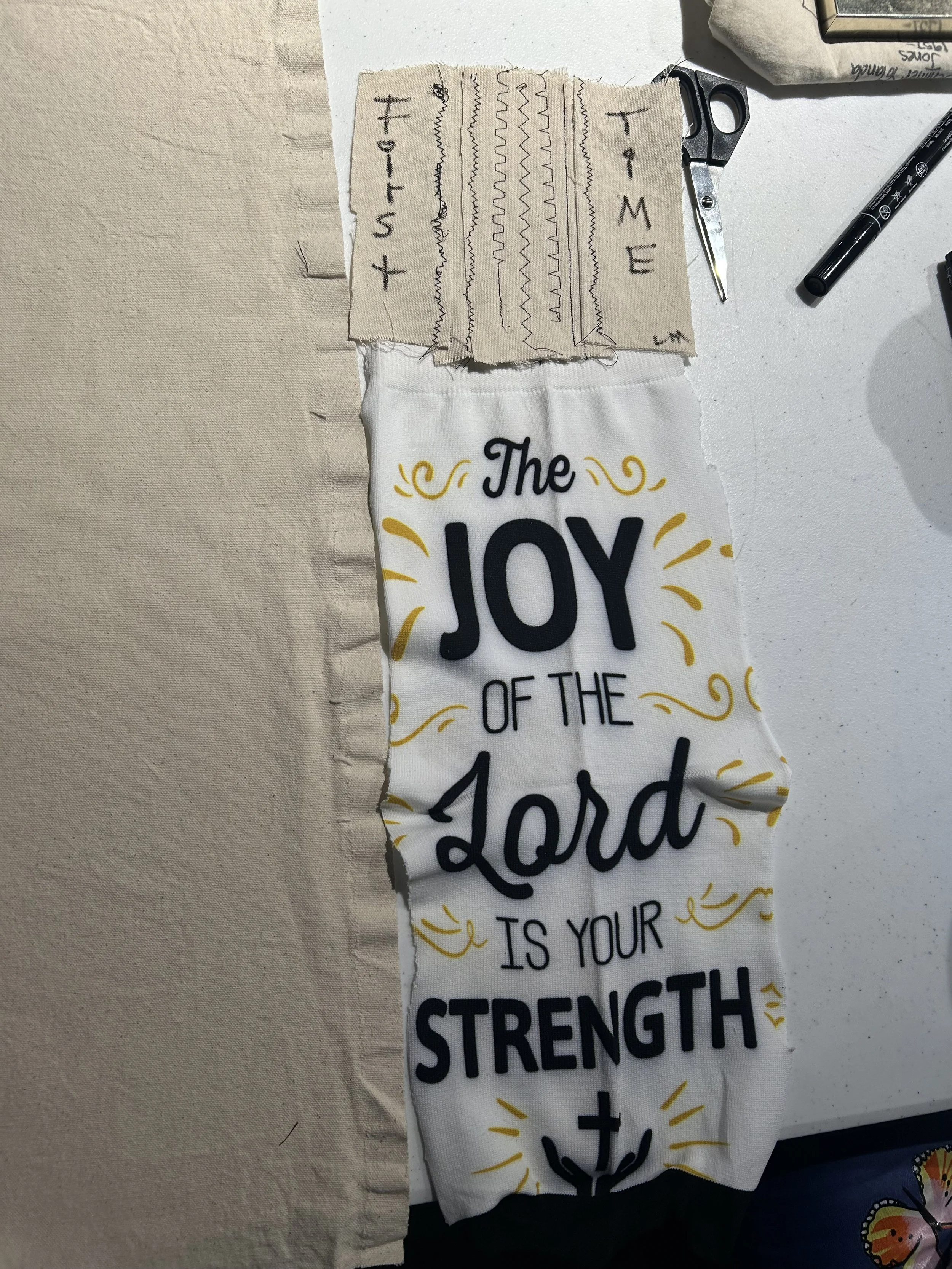
On August 7th, 8th and 14th, patrons of all generations will gather to contribute to a monumental community quilt; a living repository of ancestral legacy and personal identity. By bringing pieces of old garments, treasured textiles, or heirloom fabrics, each participant will literally sew their family history into a collective masterpiece.
This workshop transcends simple craft; it is a sacred act of communal restoration, honoring the resilient foundations of our past while stitching together a vibrant, unified vision for the future.
The Visionary: Guided by Christopher Diont'e, whose work beautifully synthesizes historical legacy, garment architecture, and fine art.
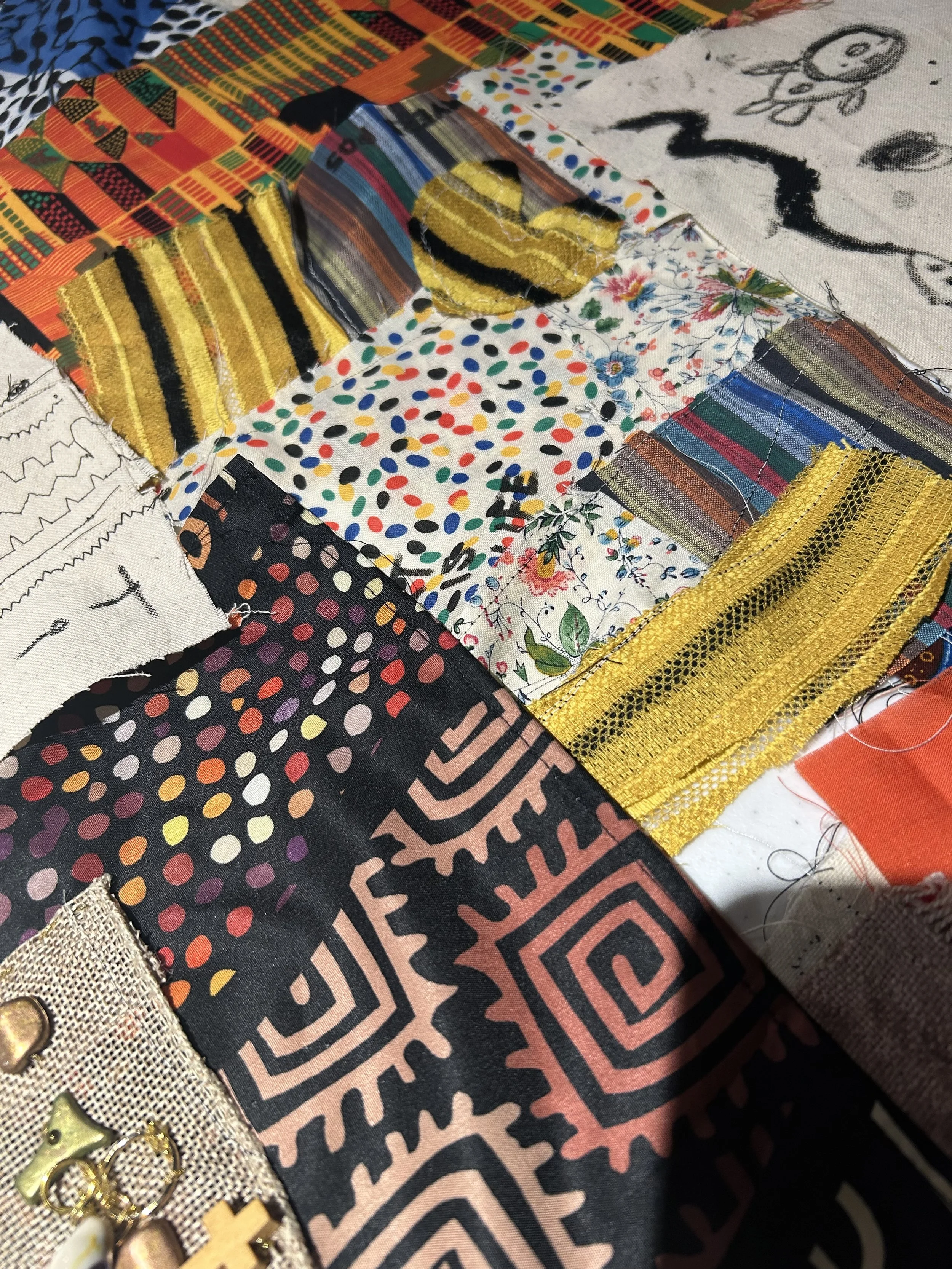
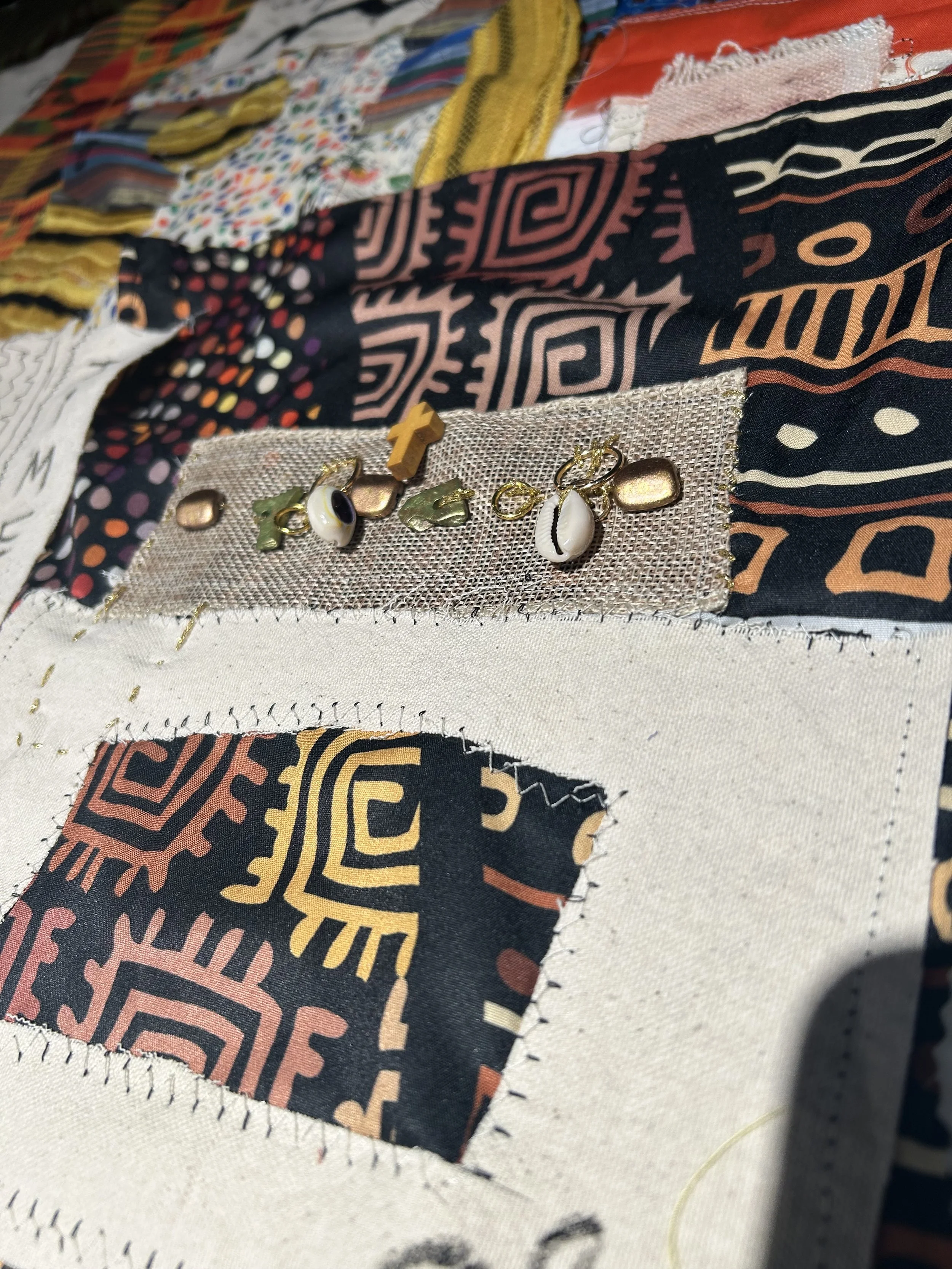
The Medium: A monumental community quilt where every fabric scrap serves as a visual syllable in a shared local dialect.
The Material: Participants are invited to bring personal textiles (old clothing, remnants of family garments, or symbolic fabrics) to be permanently integrated into the artwork.
The Invitation: Open entirely free of charge to creators, families, and historians of all ages and skill levels.
The Power of the Shared Stitch
Historically, quilting circles have served as sanctuaries for storytelling, healing, and profound social connection. In an era often fragmented by the digital and the transient, this workshop offers a rare, grounding space to create tactile, permanent memories. To stitch your fabric alongside a neighbor's is to acknowledge that our individual lineages are deeply intertwined. Under Christopher’s thoughtful guidance, this workshop becomes an intellectual and emotional forum; a space where personal heritage meets public art, creating an enduring anchor of creative excellence for generations to come.
Free but RSVP requested!
Opening Reception:
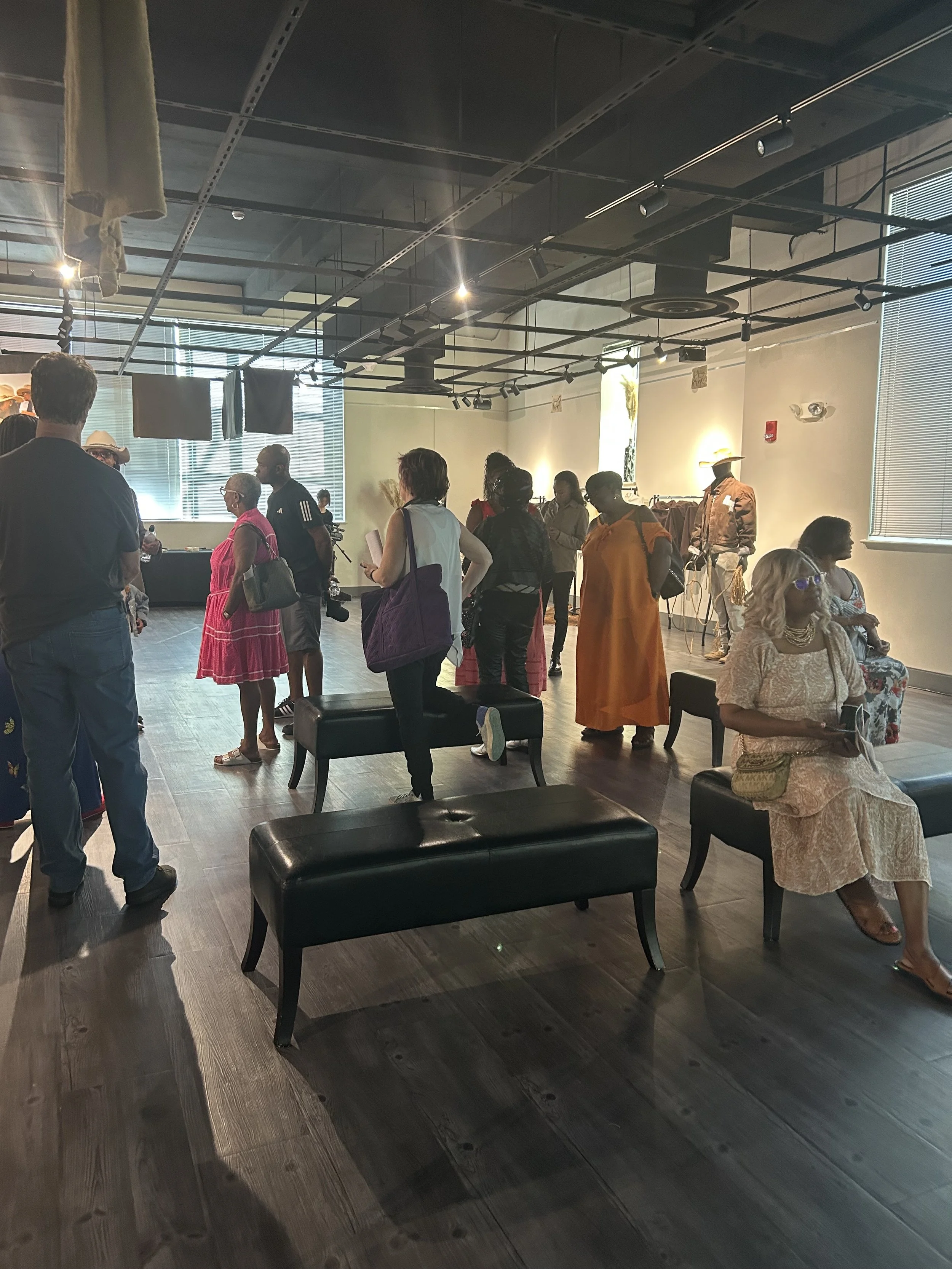
At the reception on August 5, 2026 from 5-9pm, Diont’e will take patrons on an exclusive visual tour of the exhibition, explaining his exhibition, family history, and how they intertwine. Patrons will also get to contribute to a community quilt that will be created throughout the exhibition period and at the “Threads of Resilience” community workshops. Light refreshments served.